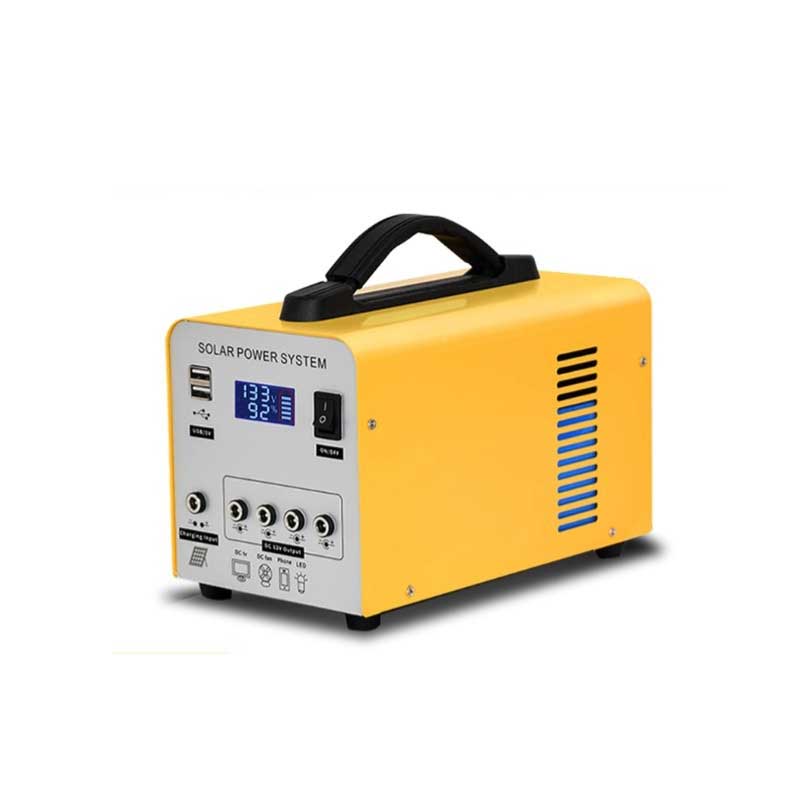
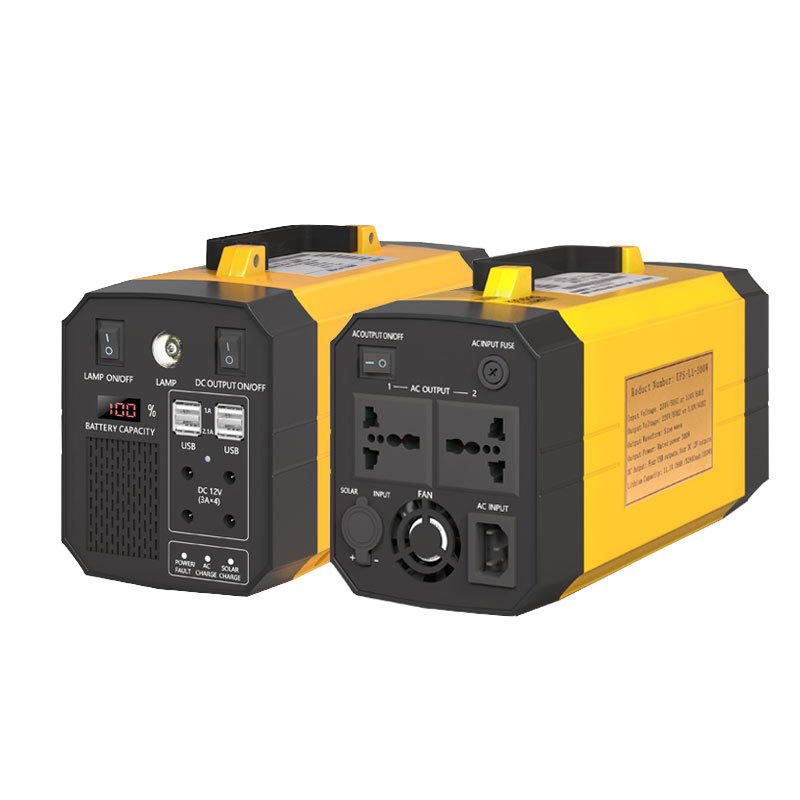
220V High power station An In-Depth Guide
In today’s fast-evolving electrical and industrial landscape, the 220V high power station plays a crucial role in poweri...
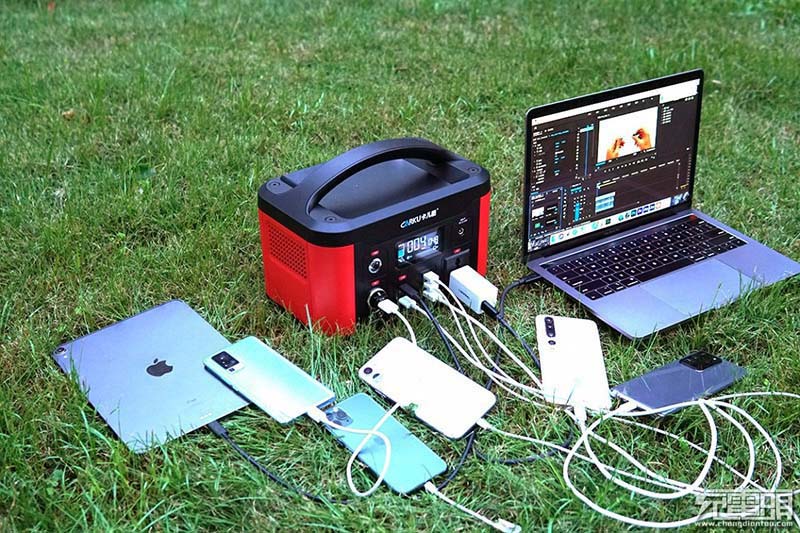
In today’s fast-evolving electrical and industrial landscape, the 220v high power station plays a crucial role in powering a wide range of equipment and machinery. Whether for residential, commercial, or industrial applications, understanding the benefits, features, and considerations of 220V high power supplies is essential. This article provides a comprehensive overview of 220V high power supplies, highlighting their significance and core aspects you should know.
What is a 220V High power station?
A 220V high power station refers to an electrical power source that delivers a voltage of 220 volts with the capacity to provide substantial current to power high-demand devices. Typically used in many countries as the standard voltage for household and industrial power, 220V supplies support devices that require higher wattage compared to lower voltage options such as 110V. This makes them ideal for heavy-duty appliances like air conditioners, industrial machinery, and large power tools.
Advantages of 220V High power station
One of the primary advantages of using a 220V high power station is its efficiency in delivering power. Higher voltage means less current is needed to deliver the same amount of power, which reduces energy loss due to resistance in wires. This leads to better energy efficiency and lower operational costs. Additionally, 220V systems can support more powerful equipment, making them indispensable in industrial and commercial settings.
Common Applications of 220V High power station
V high power supplies are widely used across various domains:
Residential Use: Powering large household appliances such as ovens, dryers, and HVAC systems.
Industrial Use: Running heavy machinery, motors, and manufacturing equipment.
Commercial Use: Supplying power to lighting systems, commercial kitchen equipment, and office machinery.
Understanding these applications helps in selecting the right power station for specific needs.
Safety Considerations
Handling 220V high power supplies requires strict adherence to safety protocols. Due to the higher voltage and current involved, improper installation or maintenance can lead to severe electrical hazards including shocks, fires, or equipment damage. It is crucial to employ qualified electricians for installation and to use certified components that meet safety standards. Proper grounding, circuit breakers, and protective devices are essential to ensure safe operation.
Types of 220V High Power Supplies
There are different types of 220V power supplies designed to meet various requirements:
AC Power Supplies: The most common type, delivering alternating current at 220 volts.
DC Power Supplies: Convert AC to direct current for specific equipment needs.
Uninterruptible Power Supplies (UPS): Provide backup power during outages to protect sensitive equipment.
Each type serves a unique purpose, and choosing the right one depends on the application and equipment specifications.
Installation and Maintenance Tips
Proper installation is vital for the optimal performance and longevity of a 220V high power station. Key tips include:
Ensuring that wiring and components comply with electrical codes.
Using appropriate gauge wires to handle the current load.
Regularly inspecting connections for signs of wear or corrosion.
Scheduling routine maintenance to detect and fix potential issues before they escalate.
Following these guidelines helps prevent downtime and costly repairs.
Energy Efficiency and Cost Considerations
While 220V systems are generally more efficient than lower voltage alternatives, selecting energy-efficient components and using power wisely can further reduce costs. Investing in energy-saving devices and implementing smart power management strategies can lower electricity bills and reduce environmental impact. Additionally, considering the total cost of ownership, including installation, maintenance, and potential upgrades, is essential for budgeting.
Future Trends in 220V High power station Technology
Advancements in technology continue to improve the performance and safety of 220V high power supplies. Innovations such as smart power supplies with remote monitoring, improved surge protection, and integration with renewable energy sources like solar panels are becoming more common. These trends indicate a move towards more sustainable and intelligent power solutions.
The 220V high power station is a fundamental component in powering modern electrical systems across residential, commercial, and industrial arenas. Its ability to efficiently deliver high power makes it indispensable for many applications. By understanding its advantages, types, safety considerations, and maintenance needs, users can optimize performance and ensure safety. As technology progresses, 220V power supplies will continue to evolve, offering smarter and more efficient solutions for powering the future.
By focusing on these core aspects, this article aims to provide valuable insights for anyone interested in or working with 220V high power supplies, helping to make informed decisions and maximize the benefits of this essential electrical component.
Related Content
- Power Converter 220V to 110V 1500W A Comprehensive Guide
- The Ultimate Guide to 220V Multi-USB Power Adapters Enhancing Connectivity and Efficiency in Your Home or Office
- 1200W 220V Lithium Battery A Comprehensive Guide
- Power Converter 110V 60Hz to 220V 50Hz A Comprehensive Guide
- 60000mAh 220V Power Adapter The Ultimate Portable Power Solution
- Power Converter 220V to 110V Walmart A Comprehensive Guide
- Power Transformer 220V to 110V A Comprehensive Guide
- Power Supply 220VAC to 24VDC Schneider A Comprehensive Guide
- 220V Lithium Battery A Comprehensive Guide
- 220V Multi-Port Lithium Battery A Comprehensive Guide