Are Portable Power Stations Safe? A Comprehensive Guide
Portable power stations have rapidly gained popularity as convenient energy sources for outdoor adventures, emergency pr...
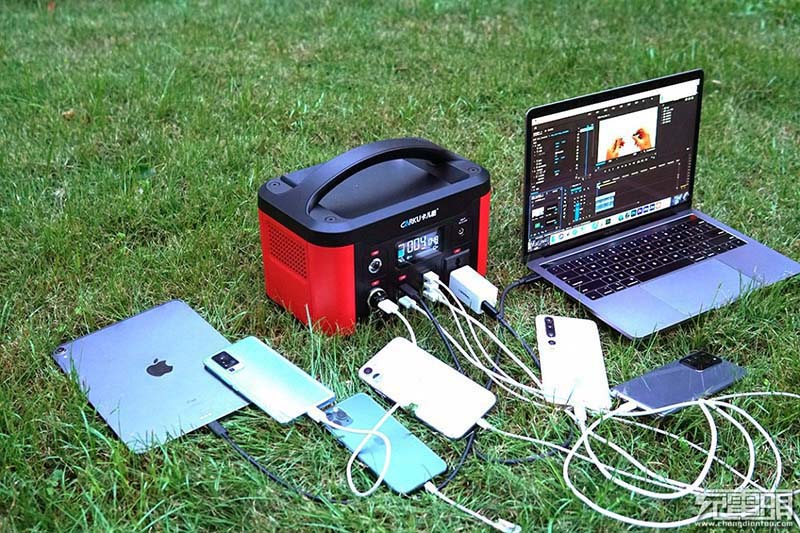
portable power stations have rapidly gained popularity as convenient energy sources for outdoor adventures, emergency preparedness, and everyday use. These compact devices provide a reliable way to charge electronics, power small appliances, and keep essential gadgets running when traditional power sources are unavailable. However, with their increasing usage, a common question arises: Are portable power stations safe? In this article, we will explore the safety aspects of portable power stations, discuss key factors to consider, and provide practical tips to ensure their safe operation.
Understanding Portable Power Stations
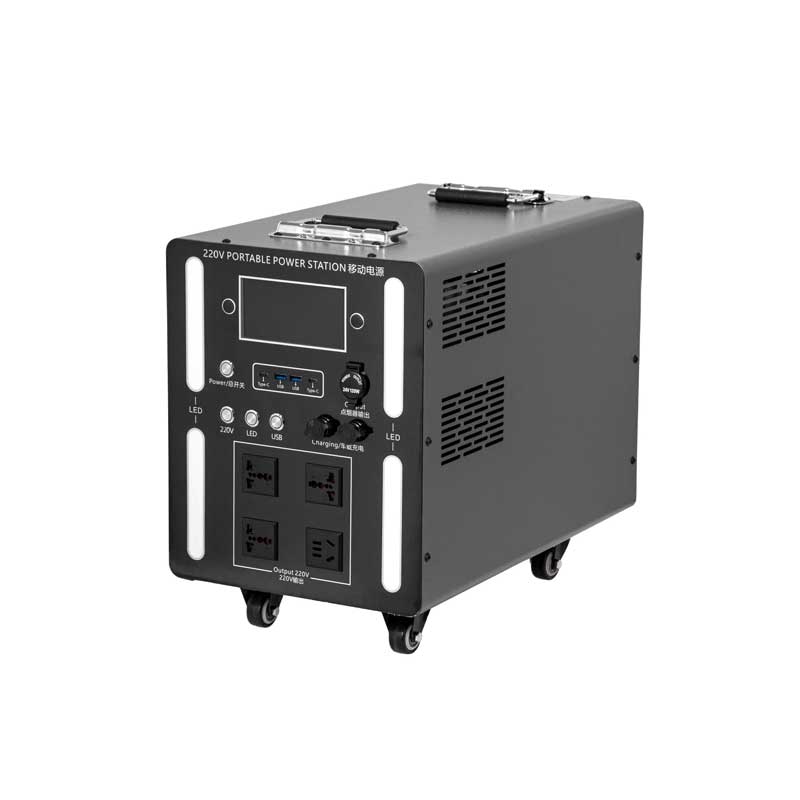
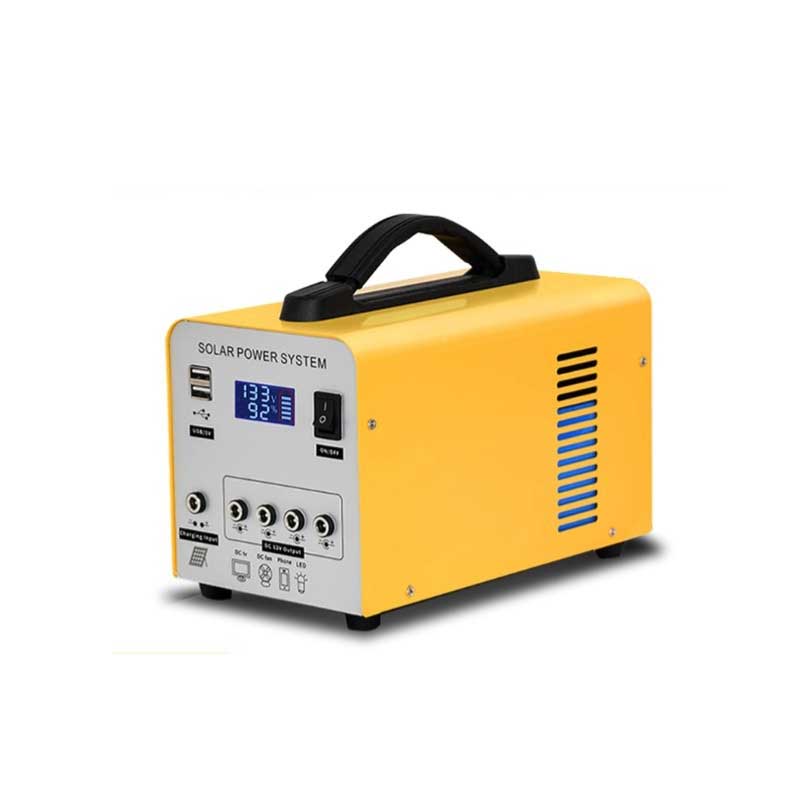
Portable power stations are rechargeable battery-powered generators designed to supply electricity on the go. Unlike traditional gas-powered generators, they operate silently, produce no emissions, and require minimal maintenance. Typically, these stations use lithium-ion or lithium iron phosphate (LiFePO4) batteries, which are known for their energy density and longevity. While they offer many advantages, understanding their safety features and potential risks is crucial.
Battery Safety and Quality
The core component of any portable power station is its battery. High-quality lithium-ion batteries are generally safe when manufactured and handled correctly. Reputable brands incorporate multiple safety mechanisms, such as:
Battery Management Systems (BMS): Protect against overcharging, over-discharging, short circuits, and overheating.
Thermal Management: Prevents overheating by regulating temperature during charging and discharging.
Certified Components: Compliance with international safety standards (e.g., UL, CE, RoHS) ensures safer operation.
Using low-quality or counterfeit batteries significantly increases safety risks, including fire hazards and battery failure.
Overcharging and Overheating Risks
One of the primary safety concerns with portable power stations is the risk of overcharging and overheating, which can lead to battery damage or, in extreme cases, fires. To mitigate these risks:
Always use the charger provided by the manufacturer.
Avoid charging the power station in extremely hot or cold environments.
Do not leave the device charging unattended for prolonged periods.
Ensure proper ventilation during charging and use.
Modern portable power stations typically have built-in protections to stop charging once the battery is full, reducing the risk of overcharging.
Safe Usage Practices
Proper usage is essential for maintaining safety. Here are some key guidelines:
Avoid Water Exposure: Most portable power stations are not waterproof. Keep them away from moisture and liquids.
Handle with Care: Avoid dropping or physically damaging the unit, as impacts can compromise internal components.
Use Compatible Devices: Only connect devices within the power station’s output capacity to prevent overload.
Store Properly: When not in use, store the power station in a cool, dry place and recharge it periodically to maintain battery health.
Fire and Explosion Hazards
Though rare, there have been reports of lithium-ion batteries catching fire or exploding due to manufacturing defects, improper use, or physical damage. To minimize this risk:
Purchase power stations from reputable manufacturers with proven safety records.
Avoid exposing the unit to extreme temperatures or direct sunlight.
Do not attempt to open or repair the battery yourself.
Follow all manufacturer instructions and warnings carefully.
Environmental and Health Safety
Portable power stations are environmentally friendlier than gas generators because they produce no carbon emissions during use. However, proper disposal and recycling of lithium batteries are necessary to prevent environmental contamination. Additionally, these devices emit no harmful fumes, making them safer for indoor use compared to fuel-powered generators.
Emergency and Outdoor Use Safety
When using portable power stations outdoors or during emergencies:
Keep the device on a stable, flat surface.
Avoid placing it near flammable materials.
Use weather-resistant covers if exposed to the elements.
Monitor battery levels and avoid deep discharges that can shorten battery life.
Portable power stations are generally safe when used correctly and maintained properly. Their advanced safety features, such as battery management systems and thermal controls, significantly reduce risks associated with battery-powered devices. However, safety ultimately depends on choosing high-quality products, following manufacturer guidelines, and practicing responsible usage.
By understanding the core safety aspects—battery quality, charging practices, proper handling, and environmental considerations—you can enjoy the convenience of portable power stations with confidence. Whether for camping, emergency backup, or daily use, these devices offer a safe and reliable power solution when treated with care and respect.
Related Content
- EF EcoFlow Portable Power Station Delta 3 Max The Ultimate Power Solution for On-the-Go Energy Needs
- Rechargeable Portable Power Station Your Ultimate Power Solution On-the-Go
- Battersea Power Station Ice Rink A Unique Winter Experience in London
- Emergency Disaster Relief High-Power Power Station A Vital Solution for Crisis Management
- 1200W Travel Outdoor Power Station Your Ultimate Portable Energy Solution
- Battersea Power Station Glide Ice Rink A Must-Visit Winter Attraction in London
- Hotel Battersea Power Station A Unique Stay in London’s Iconic Landmark
- Portable Power Station Anker vs Maxoak Which One Should You Choose?
- Anker Solix C300X AC Portable Power Station Your Ultimate Power Solution
- Battersea Power Station Tube A Comprehensive Guide