Best Portable Power Station to Run a CPAP A Comprehensive Guide
Continuous Positive Airway Pressure (CPAP) machines are essential for individuals suffering from sleep apnea, ensuring a...
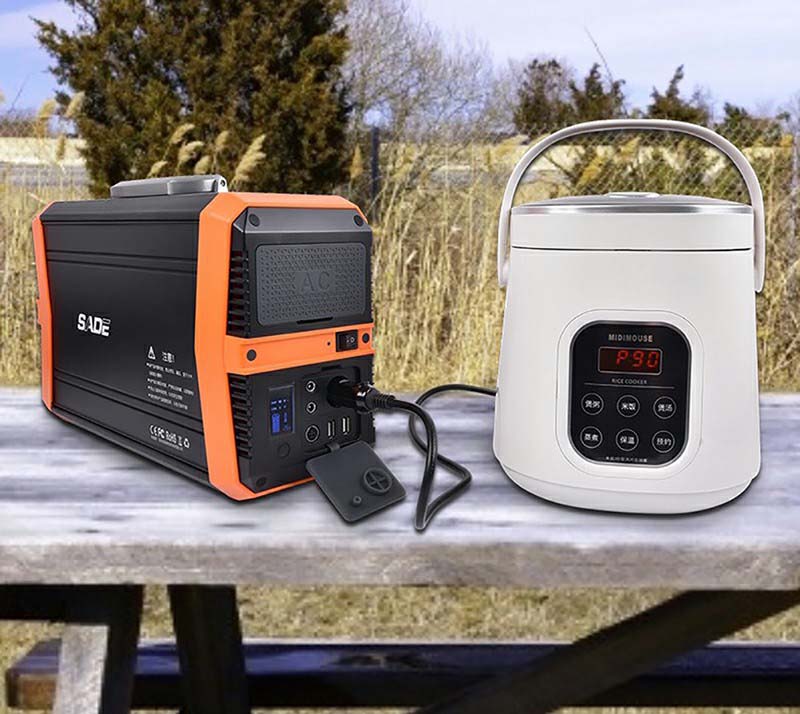
Continuous Positive Airway Pressure (CPAP) machines are essential for individuals suffering from sleep apnea, ensuring a restful and healthy night's sleep. However, running a CPAP machine outdoors, during power outages, or while traveling can be challenging without a reliable power source. This is where portable power stations come into play. In this article, we will explore the best portable power stations to run a CPAP machine, focusing on key features, battery capacity, portability, and overall performance.
Battery Capacity and Runtime
One of the most critical factors when selecting a portable power station for your CPAP machine is battery capacity. CPAP machines typically consume between 30 to 60 watts per hour, meaning you need a power station that can provide continuous power throughout the night (usually 6–8 hours). Look for power stations with at least 300Wh (watt-hours) capacity to ensure your CPAP runs uninterrupted. Larger batteries, such as 500Wh or more, offer extended runtime and flexibility for other devices.
Pure Sine Wave Inverter
CPAP machines are sensitive to power quality. A pure sine wave inverter ensures that the electricity output is clean and stable, mimicking the power you get from a standard household outlet. This is crucial to prevent damage to your CPAP machine and ensure it operates efficiently. Avoid power stations with modified sine wave inverters, as they may cause your CPAP to malfunction or produce noise.
Multiple Output Ports
A versatile portable power station should have multiple output options, including AC outlets, USB ports, and DC ports. Since most CPAP machines plug into standard AC outlets, ensure the power station provides at least one or two AC outlets. Additionally, USB and DC ports allow you to charge smartphones, tablets, or other essential devices during your trip, making the power station more useful.
Portability and Weight
Since portability is a key reason for choosing a power station, consider the size and weight. Lightweight and compact models are easier to carry and store, especially if you travel frequently or camp. However, there is often a trade-off between battery capacity and portability. Decide on the balance that fits your lifestyle—larger batteries tend to be heavier but offer longer CPAP runtime.
Recharge Options
Having multiple ways to recharge your power station enhances its usability. Look for portable power stations that can be recharged via AC wall outlets, car chargers, and solar panels. Solar compatibility is particularly valuable for extended outdoor trips where electricity access is limited. This feature ensures you can recharge your power station sustainably and independently.
Noise Level
Some portable power stations have built-in cooling fans that can generate noise. Since CPAP machines are used at night, a quiet power station is important to avoid disturbing your sleep. Check product reviews and specifications to find models that operate silently or with minimal noise.
Safety Features
Safety is paramount when running medical devices. Choose power stations equipped with multiple safety features such as overload protection, short circuit protection, temperature control, and surge protection. These features protect both your CPAP machine and the power station from damage.
User-Friendly Interface
A clear and easy-to-read display showing battery level, output wattage, and charging status helps you monitor the power station’s performance. User-friendly controls and indicators make it simple to operate, especially during nighttime use.
Brand Reputation and Warranty
Opt for power stations from reputable brands known for quality and customer support. A good warranty period provides peace of mind and protects your investment. Brands like Jackery, Goal Zero, EcoFlow, and Anker are popular choices among CPAP users.
Price and Value
Finally, consider your budget. While premium models offer advanced features and larger capacities, there are budget-friendly options that still meet the essential requirements for running a CPAP. Evaluate the features versus price to find the best value for your needs.
Choosing the best portable power station to run a CPAP machine requires careful consideration of battery capacity, power output quality, portability, and additional features. Prioritize a power station with a pure sine wave inverter, sufficient battery capacity for overnight use, multiple output ports, and reliable safety features. Brands with proven track records and good customer support enhance your overall experience. Whether you are camping, traveling, or preparing for emergencies, the right portable power station ensures your CPAP machine runs smoothly and you get the restful sleep you deserve.
By focusing on these key factors, you can confidently select a portable power station that meets your CPAP needs and enhances your mobility and independence.
Related Content
- How a Nuclear Power Station Works A Detailed Overview
- Portable Power Station The Ultimate Guide to On-the-Go Energy
- Hotels in Battersea Power Station Your Ultimate Guide to Staying Near London’s Iconic Landmark
- Where Is Majuba Power Station? A Comprehensive Guide
- Hand-Held Emergency Power Station Your Ultimate Portable Energy Solution
- Massimo Portable Power Station 1200-Watt Your Ultimate Power Solution
- Anker Power Station 1000 The Ultimate Portable Power Solution
- Power Station EcoFlow River 2 Pro A Comprehensive Review
- Battery Power Station Reviews The Ultimate Guide to Choosing the Best Portable Power Source
- Passport Photo Battersea Power Station Your Ultimate Guide