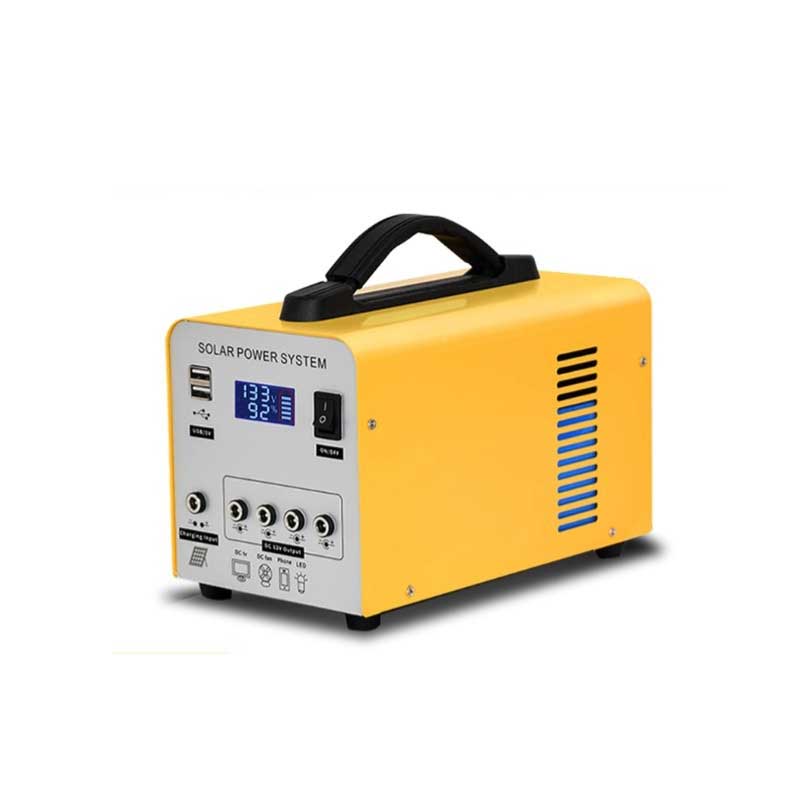
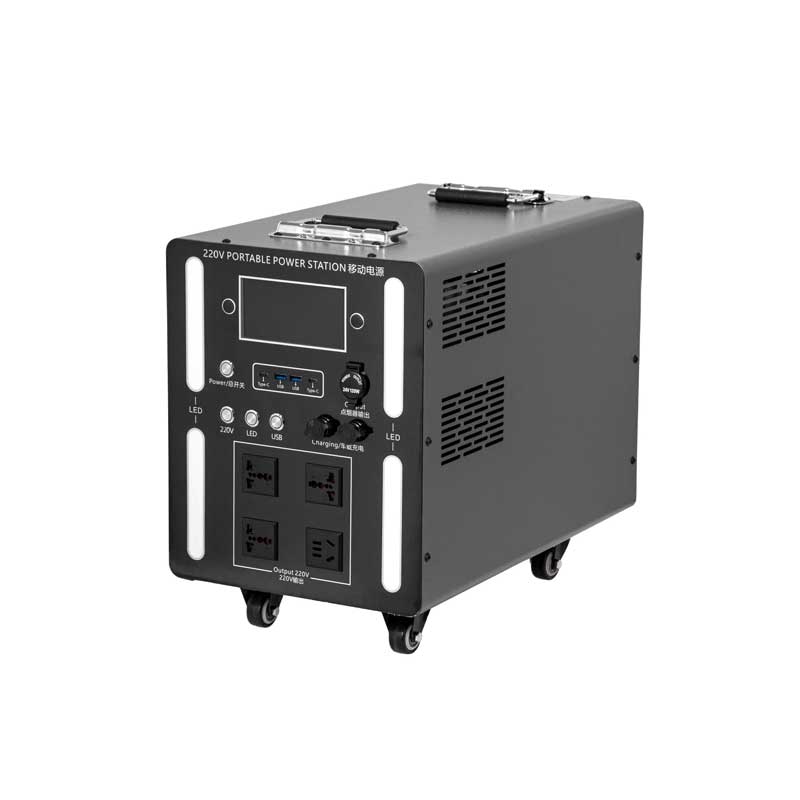
Best Power Station for Whole Home Backup Ultimate Guide for 2024
In recent years, the demand for reliable whole home backup power solutions has surged, driven by increasing power outage...
In recent years, the demand for reliable whole home backup power solutions has surged, driven by increasing power outages, natural disasters, and the desire for energy independence. A whole home power station ensures that your essential appliances and systems remain operational during blackouts, providing peace of mind and safety. Choosing the best power station for whole home backup involves evaluating capacity, runtime, portability, and additional features. This article explores the top considerations and options to help you select the ideal power station for your home.
Power Capacity and Output
The most crucial factor when selecting a power station for whole home backup is its power capacity and output. Your power station must be capable of handling the total wattage of essential appliances such as refrigerators, HVAC systems, lighting, and medical devices. Typically, a whole home backup system requires a power station with at least 3000 to 5000 watts continuous output and a surge capacity to handle startup loads. Look for units with pure sine wave inverters to ensure compatibility with sensitive electronics.
Battery Storage and Runtime
Battery capacity determines how long your power station can supply electricity during an outage. It is measured in watt-hours (Wh), and for whole home backup, larger capacities ranging from 3000Wh to 10,000Wh or more are preferred. Consider your daily energy consumption and desired backup duration when selecting a battery size. Additionally, some power stations offer expandable battery packs, allowing you to increase runtime as needed.
Portability and Installation
While many whole home power stations are designed to be stationary, some models offer portability for added flexibility. If you want a system that can be moved or used for outdoor activities, consider the weight and form factor. However, stationary units typically provide higher capacity and are integrated with home electrical panels for seamless power switching. Professional installation is often recommended to ensure safety and compliance with local codes.
Charging Options and Recharge Speed
Versatile charging options enhance the convenience of a power station. Look for models that support multiple charging methods such as solar panels, AC wall outlets, and car chargers. Solar compatibility is especially important for off-grid or emergency use, allowing you to recharge the battery sustainably. Fast recharge times minimize downtime and ensure your system is ready when needed.
Smart Features and Monitoring
Modern power stations come equipped with smart features that improve usability and efficiency. These include mobile app integration, real-time power monitoring, and automatic transfer switches. Monitoring tools help you track battery health, energy consumption, and charging status, enabling better management of your backup system. Automatic transfer switches can instantly switch the power source from grid to battery during an outage.
Safety and Reliability
Safety features are essential for any whole home backup system. Ensure the power station includes protections against overcharging, short circuits, overheating, and power surges. Certifications from recognized bodies such as UL or CE add credibility to the product’s safety standards. Reliability is also key; choose brands with solid reputations and positive customer reviews.
Cost and Warranty
Whole home power stations represent a significant investment. Compare prices relative to features, capacity, and brand reputation. While upfront costs may be high, consider long-term savings from energy independence and reduced generator fuel expenses. A robust warranty and responsive customer support provide added assurance for your purchase.
Selecting the best power station for whole home backup requires careful consideration of power capacity, battery runtime, portability, charging options, smart features, safety, and cost. Prioritize your essential appliances and energy needs to determine the ideal capacity and features. Whether you opt for a portable model or a stationary system integrated with your home’s electrical panel, investing in a reliable power station ensures continuous power during emergencies and enhances your home’s resilience. By evaluating the key factors outlined above, you can confidently choose a whole home backup power station that meets your requirements and provides peace of mind.
Related Content
- Nuclear Power Station Map UK An Essential Guide
- AllPowers Portable Power Station Australia Your Ultimate Guide to Reliable Power on the Go
- Night Market Emergency High-Power Power Station Ensuring Uninterrupted Energy Supply
- Energy Storage Power Revolutionizing the Future of Energy
- Battersea Power Station Apartment A Unique Blend of History and Modern Living
- Portable Power Stations Near Me Your Ultimate Guide to Reliable Power on the Go
- Multi-Scenario 200000mAh Large-Capacity Power Station The Ultimate Portable Power Solution
- Types of Power Stations in South Africa An Overview
- Lithium Ion Power Station The Future of Portable Energy
- UK Nuclear Power Stations A Comprehensive Overview