Build a Portable Power Station The Ultimate Guide
In today’s fast-paced world, having a reliable source of power on the go is essential. Whether you’re camping, traveling...
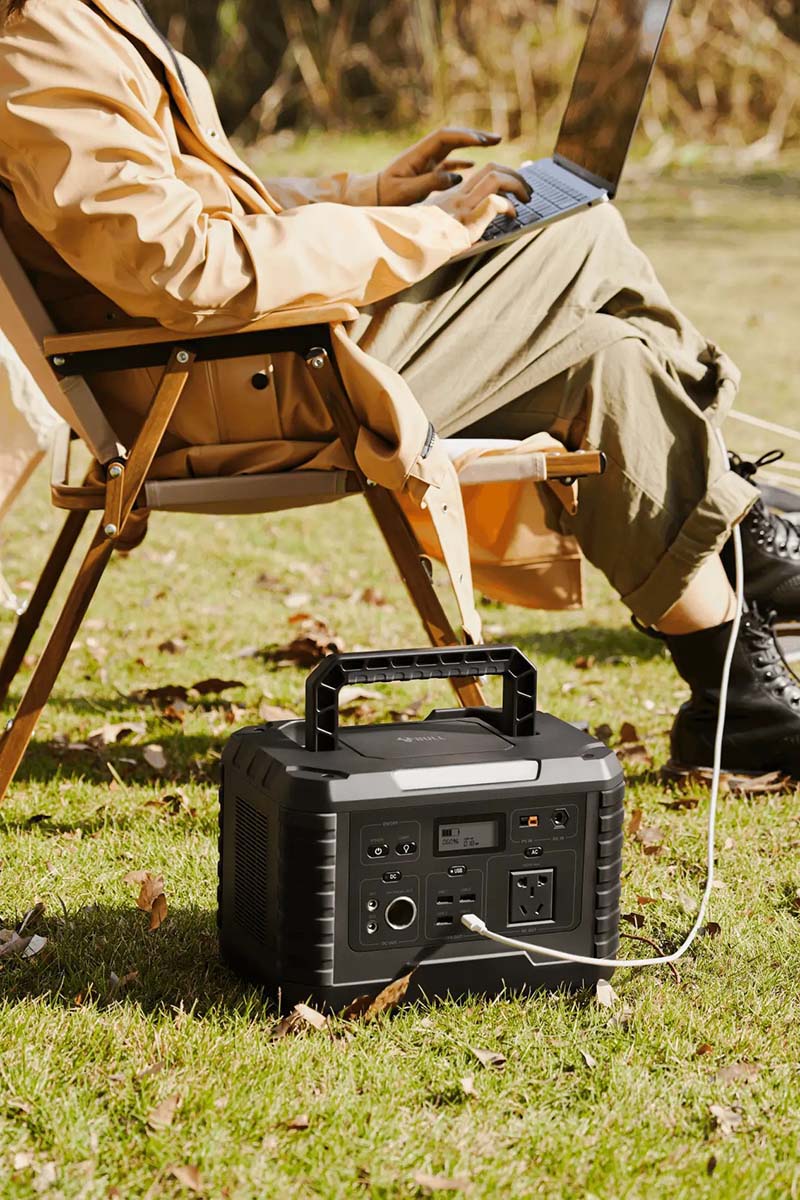
In today’s fast-paced world, having a reliable source of power on the go is essential. Whether you’re camping, traveling, or preparing for emergencies, building a portable power station can provide you with the energy independence you need. A portable power station is a compact, rechargeable battery system that can power your devices anywhere. This article will guide you through the process of building your own portable power station, covering the essential components, assembly tips, and safety considerations.
Understand the Basics of a Portable Power Station
Before diving into the build, it’s important to understand what a portable power station is. Essentially, it’s a combination of a rechargeable battery, an inverter, a charge controller, and a battery management system (BMS). These components work together to store electrical energy and convert it into usable power for your devices. Knowing these basics will help you choose the right parts and design your system effectively.
Choose the Right Battery Type
The battery is the heart of your portable power station. Lithium-ion batteries are the most popular choice due to their high energy density, lightweight design, and long lifespan. Other options include lead-acid or lithium iron phosphate (LiFePO4) batteries, which offer different trade-offs in terms of cost, weight, and durability. Selecting the right battery depends on your power needs, budget, and intended use.
Select a Suitable Inverter
An inverter converts the DC power stored in the battery into AC power that most household devices use. When building a portable power station, you need to select an inverter that matches your power requirements. Pure sine wave inverters provide cleaner and more reliable power, making them ideal for sensitive electronics. Make sure to choose an inverter with adequate wattage capacity to handle your devices.
Incorporate a Charge Controller
A charge controller regulates the charging process to prevent overcharging and damage to the battery. This component is especially important if you plan to charge your portable power station using solar panels. MPPT (Maximum Power Point Tracking) charge controllers are more efficient and recommended for solar charging setups.
Implement a Battery Management System (BMS)
The BMS is critical for protecting your battery pack. It monitors voltage, current, and temperature to ensure safe operation. A good BMS prevents overcharging, deep discharging, and short circuits, significantly extending the life of your battery and enhancing safety.
Design the Enclosure and Cooling System
Your portable power station needs a sturdy and compact enclosure to protect internal components. Use materials that provide durability and insulation. Additionally, batteries and inverters generate heat, so incorporating ventilation or cooling fans is vital to maintain safe operating temperatures.
Assemble the Components Carefully
Begin by wiring the battery cells in series or parallel to achieve the desired voltage and capacity. Connect the BMS to the battery pack, then link the battery to the inverter and charge controller. Ensure all connections are secure and insulated to prevent short circuits. Using proper connectors and fuses adds an extra layer of safety.
Test Your Portable Power Station
Once assembled, test your portable power station thoroughly. Check the voltage output, inverter performance, and charging system. Use a multimeter to verify connections and ensure everything functions as expected. Testing helps identify any issues before relying on your power station in real situations.
Add Convenience Features
Consider adding USB ports, AC outlets, and DC carports to your power station for versatile charging options. Some builders also include an LCD display to monitor battery status, input/output wattage, and remaining runtime. These features enhance usability and convenience.
Maintain and Store Properly
Regular maintenance is key to keeping your portable power station in top condition. Avoid deep discharges, store it in a cool, dry place, and recharge it periodically. Proper care will extend the lifespan of your power station and ensure it’s ready when you need it.
Building a portable power station is a rewarding project that offers energy independence and peace of mind. By understanding the key components—battery, inverter, charge controller, and BMS—and assembling them carefully, you can create a reliable power source tailored to your needs. Whether for outdoor adventures or emergency preparedness, a DIY portable power station is a smart investment that keeps you powered anytime, anywhere. Start planning your build today and enjoy the freedom of portable energy!
Related Content
- Battersea Power Station Development Plans A Comprehensive Overview
- New Coal Fired Power Stations World An Overview and Key Insights
- Portable Power Station with Solar Panel UK Your Ultimate Guide to Clean, On-the-Go Energy
- EcoFlow River Pro Power Station The Ultimate Portable Energy Solution
- Jackery Power Station 500 The Ultimate Portable Power Solution
- Power Adapter with Charge and Discharge Protection Ensuring Safety and Efficiency
- Portable Power Stations on Sale 2023 Unveiling Extended Warranties and Their Significance
- Best Power Station Portable Your Ultimate Guide to Reliable Portable Power
- Nuclear Power Station Construction A Comprehensive Overview
- Oupes Portable Power Station Mega 1 The Ultimate Power Solution for On-the-Go Energy Needs