Electric Power Station for Home A Comprehensive Guide
In today’s world, having a reliable and efficient power source at home is more important than ever. Whether it’s for eme...
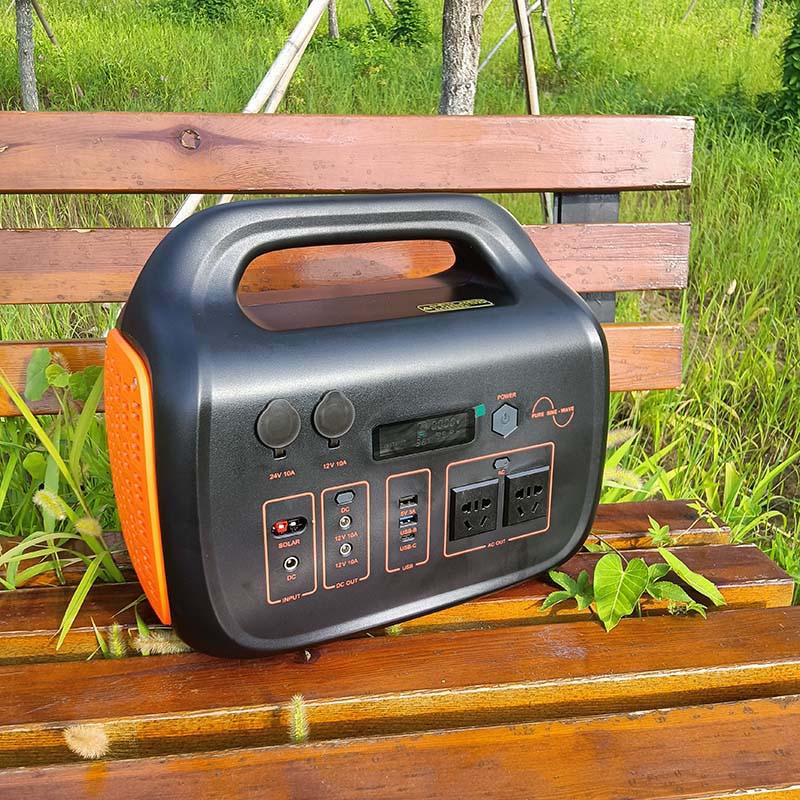
In today’s world, having a reliable and efficient power source at home is more important than ever. Whether it’s for emergency backup during outages, supporting off-grid living, or powering outdoor activities, an electric power station for home use has become an essential device. This article will provide an overview of electric power stations for home, followed by key points to consider when choosing and using one.
What is an Electric Power Station for Home?
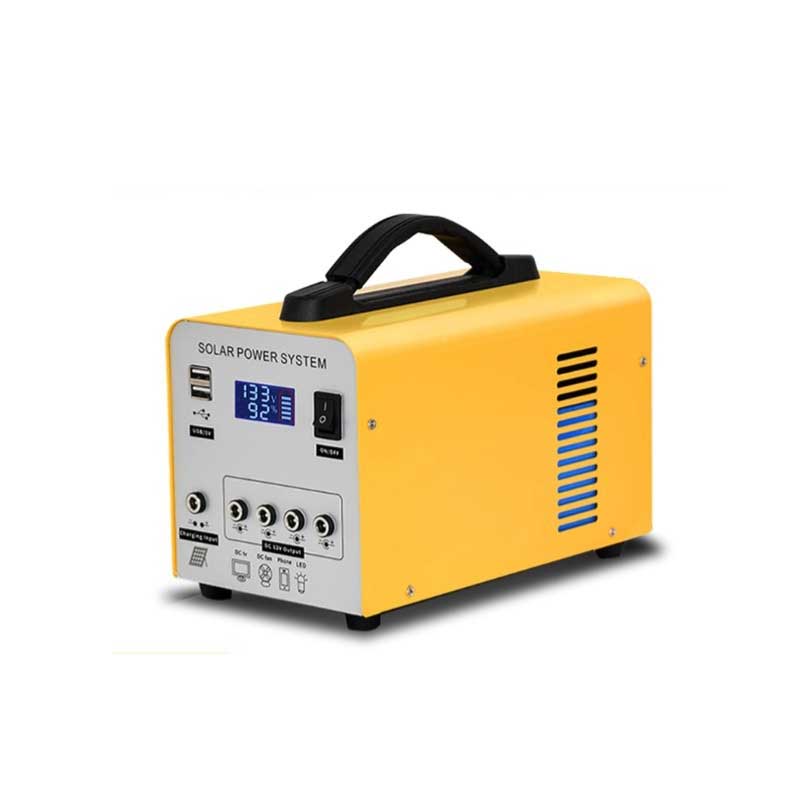
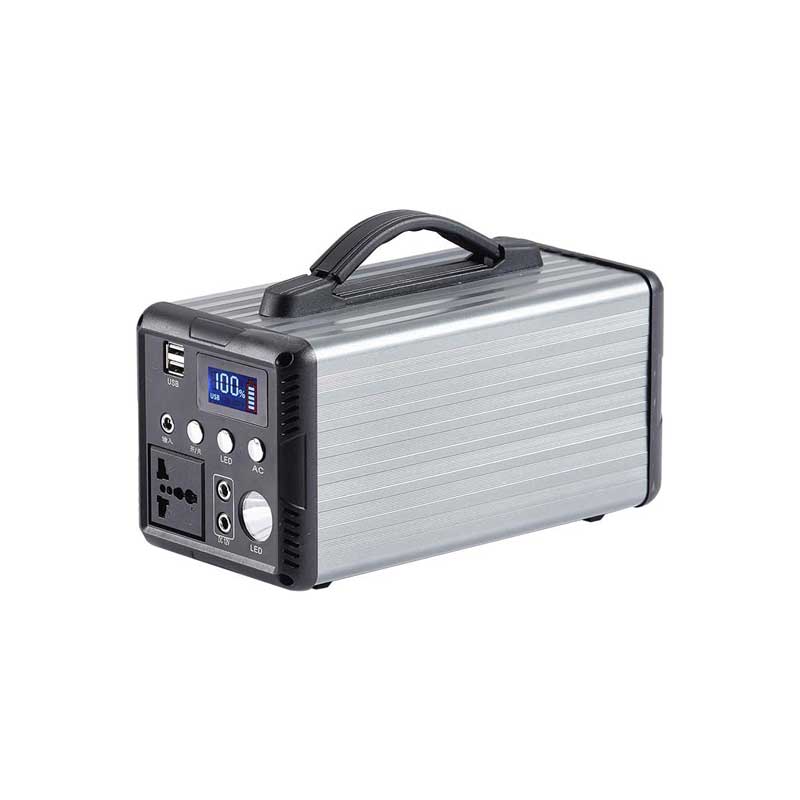
An electric power station for home, often referred to as a portable power station or home battery generator, is a compact device designed to store electrical energy and supply power when needed. Unlike traditional gas generators, these stations are usually quieter, cleaner, and more environmentally friendly. They can power various household appliances, charge electronic devices, and serve as a backup during power outages.
Types of Electric Power Stations
There are mainly two types of electric power stations for home use:
Battery-based portable power Stations: These use lithium-ion or lead-acid batteries to store electricity. They are rechargeable via solar panels, wall outlets, or car chargers.
Hybrid Power Stations: These combine batteries with traditional fuel sources like gasoline or propane, offering extended runtime and flexibility.
Key Features to Look For
When selecting an electric power station for your home, consider the following features:
Capacity (Watt-hours): Determines how much energy the station can store and supply. A higher capacity means longer usage time.
Output Power (Watts): Indicates the maximum load the station can handle at once. Make sure it matches your essential appliances’ power needs.
Portability: Weight and size matter if you plan to move the station frequently.
Recharge Options: Multiple recharge methods such as solar, AC outlet, or car charger increase versatility.
Number and Type of Outlets: USB ports, AC outlets, DC ports, and even wireless charging can enhance convenience.
Safety Features: Overload protection, short circuit protection, and temperature control are vital for safe operation.
Benefits of Using an Electric Power Station at Home
Emergency Backup Power: Keeps your lights, refrigerator, medical devices, and communication tools running during outages.
Eco-Friendly: Produces no emissions, especially when charged via solar panels.
Quiet Operation: Unlike gas generators, electric stations operate silently, making them ideal for indoor use.
Cost Savings: Reduces reliance on grid electricity and fuel, potentially lowering your energy bills.
Portability: Can be used for camping, outdoor events, or remote work.
How to Choose the Right Capacity
Assess your power needs by listing essential devices and their wattage. Calculate the total watt-hours required to run these devices for your desired duration. For example, a refrigerator might need 150 watts continuously, so running it for 6 hours requires 900 watt-hours. Choose a power station with a capacity exceeding your total calculated needs to ensure reliable performance.
Charging Your Power Station
Charging options significantly influence the usability of your power station:
Solar Charging: Ideal for sustainability and off-grid use; however, it depends on sunlight availability.
AC Wall Outlet: Fast and convenient for home charging.
Car Charger: Useful for travel or emergencies when other power sources are unavailable.
Combining multiple charging methods increases the station’s flexibility and readiness.
Maintenance and Safety Tips
To ensure longevity and safe operation of your electric power station:
Store it in a cool, dry place.
Regularly charge the battery to prevent deep discharge.
Avoid overloading by not exceeding the rated wattage.
Follow manufacturer guidelines for usage and charging.
Inspect for damage or wear, especially after extended use or transport.
Popular Use Cases
Home Backup: Power essential appliances during blackouts.
Outdoor Activities: Camping, tailgating, or remote work without access to the grid.
Emergency Preparedness: Support medical devices, communication, and lighting during natural disasters.
Green Living: Combine with solar panels to reduce carbon footprint and energy costs.
An electric power station for home is a versatile and increasingly necessary tool for modern households. With benefits ranging from emergency preparedness to eco-friendly energy use, these devices offer reliable power wherever and whenever you need it. By understanding the types, features, and usage tips outlined above, you can select the perfect power station to meet your home’s unique needs and enjoy peace of mind during power interruptions or outdoor adventures. Investing in a quality electric power station is a smart step towards energy independence and resilience.
Related Content
- All About Portable Power Stations Your Ultimate Guide
- Self-Driving 600W Large-Capacity Power Station The Ultimate Portable Energy Solution
- Top-Rated Portable Solar Power Station A Game-Changer for Off-Grid Adventure
- New Nuclear Power Station in Lincolnshire A Game-Changer for UK’s Energy Future
- 200000mAh Super Large-Capacity Energy Storage Power Station The Ultimate Portable Power Solution
- Jackery Portable Power Station Manual A Comprehensive Guide
- Portable Power Station Buying Guide How to Choose the Best One for Your Needs
- 80000mAh Mobile Charging Power Station The Ultimate Portable Power Solution
- Anker 521 Portable Power Station Your Ultimate Power Solution On-the-Go
- 110V 1000W Night Market Mobile Power Station Your Ultimate Portable Energy Solution