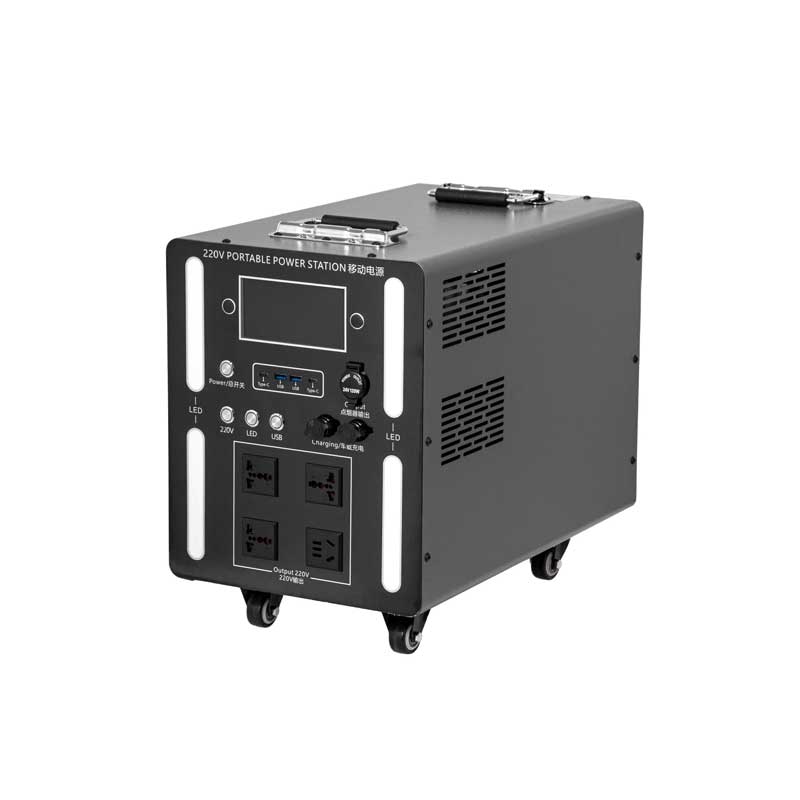
Green Power Power Station Harnessing Sustainable Energy for a Brighter Future
In the quest for sustainable and clean energy, green power power stations have emerged as pivotal players. These facilit...

In the quest for sustainable and clean energy, green power power stations have emerged as pivotal players. These facilities generate electricity using renewable resources, minimizing environmental impact and reducing reliance on fossil fuels. As the world increasingly prioritizes eco-friendly energy solutions, understanding the significance and operation of green power power stations is essential. This article explores the concept, benefits, and key components of green power power stations to highlight their role in shaping a sustainable energy future.
What is a Green Power Power Station?
A green power power station is a facility that produces electricity from renewable energy sources such as solar, wind, hydro, geothermal, and biomass. Unlike traditional power plants that burn coal or natural gas, green power stations utilize natural processes that are sustainable and emit little to no greenhouse gases. This shift not only reduces carbon footprints but also promotes energy independence and environmental preservation.
Types of Green Power Power Stations
There are several types of green power power stations, each harnessing different renewable resources:
solar power stations: Use photovoltaic panels or solar thermal systems to convert sunlight into electricity.
Wind Power Stations: Employ wind turbines to capture kinetic energy from wind and convert it into electrical power.
Hydroelectric Power Stations: Utilize water flow in rivers or dams to spin turbines and generate electricity.
Geothermal Power Stations: Extract heat from the earth’s core to produce steam that drives turbines.
Biomass Power Stations: Burn organic materials such as agricultural waste or wood pellets to produce energy.
Environmental Benefits of Green Power Power Stations
Green power stations offer numerous environmental advantages:
Reduced Carbon Emissions: By relying on renewables, these stations drastically cut greenhouse gas emissions compared to fossil fuel plants.
Lower Air Pollution: No harmful pollutants such as sulfur dioxide or nitrogen oxides are released.
Conservation of Natural Resources: Renewable energy sources are abundant and replenishable, unlike finite fossil fuels.
Minimal Water Usage: Many green power technologies require less water, alleviating stress on freshwater resources.
Economic Advantages
Investing in green power power stations can lead to significant economic benefits:
Job Creation: The renewable energy sector generates employment opportunities in manufacturing, installation, and maintenance.
Energy Cost Stability: Unlike fossil fuels, renewable energy prices are less volatile, providing predictable electricity costs.
Local Economic Growth: Green power projects often stimulate local economies through infrastructure development and increased demand for services.
Technological Advancements
Recent innovations have enhanced the efficiency and feasibility of green power stations:
Improved Solar Panel Efficiency: New materials and designs have increased the energy conversion rates.
Advanced Wind Turbines: Taller towers and larger blades capture more wind energy.
Energy Storage Solutions: Battery technologies enable the storage of intermittent renewable energy for continuous supply.
Smart Grid Integration: Digital technology optimizes power distribution from multiple renewable sources.
Challenges Facing Green Power Power Stations
Despite their benefits, green power stations face some challenges:
Intermittency: Solar and wind energy depend on weather conditions, requiring reliable storage or backup systems.
High Initial Costs: Although costs have decreased, upfront investment can still be significant.
Land Use and Environmental Impact: Large-scale projects may affect ecosystems or require substantial land area.
Infrastructure Requirements: Integrating green power into existing grids demands upgrades and modernization.
The Future of Green Power Power Stations
The future looks promising as governments and industries worldwide commit to renewable energy targets. Innovations in technology, policy support, and growing public awareness are driving rapid expansion of green power stations. These facilities will play a critical role in meeting global energy demands sustainably while combating climate change.
Green power power stations represent a transformative approach to electricity generation, leveraging renewable resources to create a cleaner and more sustainable energy landscape. Their environmental, economic, and technological benefits make them indispensable in the global shift away from fossil fuels. As challenges are addressed through innovation and policy, green power power stations will continue to illuminate the path toward a greener and more resilient future. Embracing these sustainable energy solutions is not only a necessity but an opportunity to build a thriving planet for generations to come.
Related Content
- Massimo 1200W/1132Wh Portable Power Station Ultimate Power Solution for On-the-Go Energy Needs
- Battersea Power Station When Was It Built? A Comprehensive Overview
- Power Station Portable Ireland Your Ultimate Guide to Portable Power Solutions
- Mobile Large-Capacity Power Station The Ultimate Solution for On-the-Go Energy Needs
- 1800W 100000mAh Emergency Power Station Ultimate Portable Power Solution
- Power Station That Can Run a Fridge A Comprehensive Guide
- Outdoor Multi-Scenario 80000mAh Power Station Your Ultimate Portable Energy Solution
- EDF Nuclear Power Stations A Comprehensive Overview
- Jackery Power Station Review A Comprehensive Guide to Portable Power Solutions
- Power Station EcoFlow River The Ultimate Portable Power Solution