How to Build a Portable Power Station A Complete Guide
In today’s world, having a reliable power source on the go is essential. Whether you’re camping, traveling, or preparing...
In today’s world, having a reliable power source on the go is essential. Whether you’re camping, traveling, or preparing for emergencies, building a portable power station can provide you with the energy you need, anytime and anywhere. A portable power station is a compact, rechargeable battery-powered device that can power your electronics without relying on the grid. In this article, we will explore how to build a portable power station, covering everything from the basic components to safety tips, helping you create a reliable and efficient power solution.
Understand the Basics of a Portable Power Station
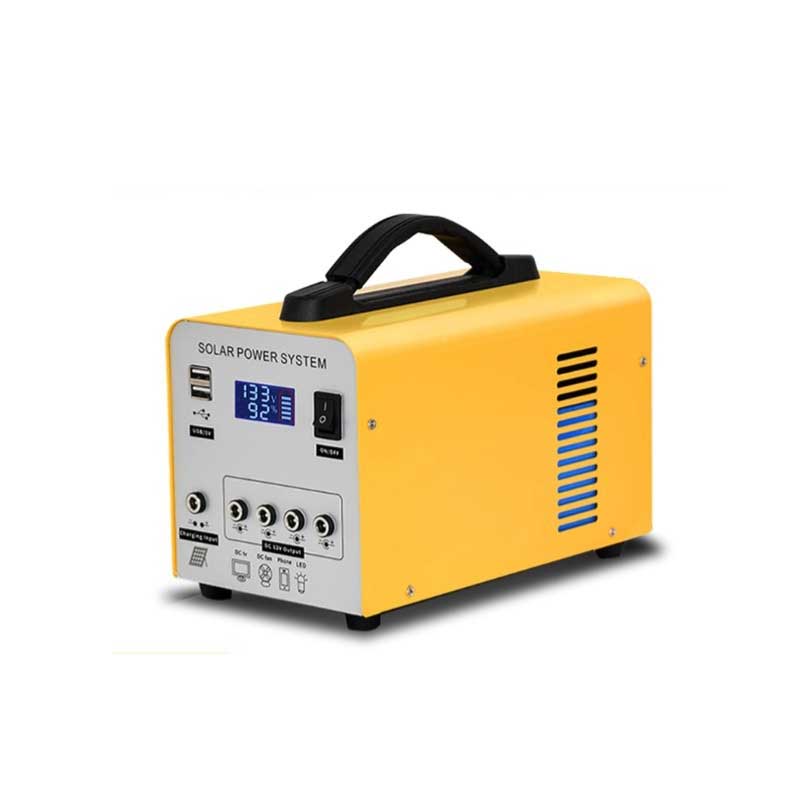
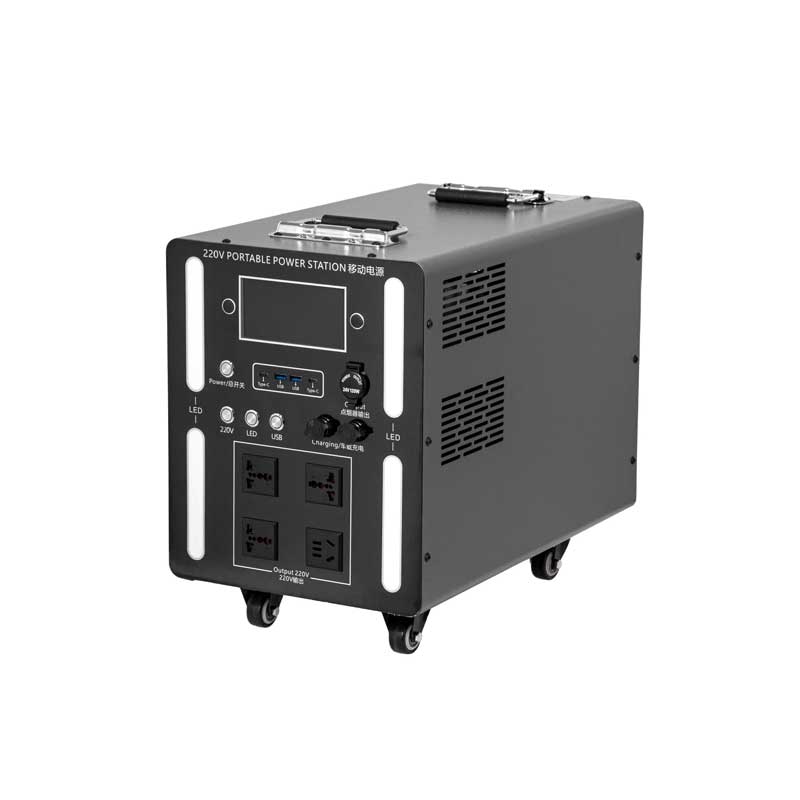
Before you start building, it’s important to understand what a portable power station is and how it works. Essentially, it consists of a battery pack, a charge controller, an inverter, and various output ports. The battery stores electricity, the charge controller manages the charging process, and the inverter converts DC power from the battery to AC power for your devices. Knowing these components will help you make informed decisions during the build process.
Choose the Right Battery
The battery is the heart of your portable power station. Lithium-ion batteries are the most popular choice due to their high energy density, lightweight design, and long lifespan. However, lead-acid batteries can be a budget-friendly alternative for beginners. When selecting a battery, consider capacity (measured in ampere-hours or watt-hours), voltage, and size. The capacity determines how long your power station can run devices before needing a recharge.
Select a Suitable Charge Controller
A charge controller regulates the voltage and current flowing into the battery, preventing overcharging and extending battery life. For solar-powered portable stations, a Maximum Power Point Tracking (MPPT) controller is recommended because it maximizes solar panel efficiency. If you plan to charge your station via wall outlets or car chargers, ensure the charge controller supports these input methods.
Pick an Inverter That Matches Your Needs
Most portable power stations need an inverter to convert DC power from the battery into AC power that household devices use. Choose a pure sine wave inverter for sensitive electronics, as it provides clean and stable power. Consider the inverter’s wattage rating; it should exceed the total wattage of devices you intend to power simultaneously to avoid overload.
Gather Additional Components and Accessories
Besides the main components, you’ll need wiring, fuses, connectors, and a durable enclosure to house your power station. Use high-quality cables rated for the current your system will handle, and include fuses or circuit breakers to protect against short circuits or overloads. The enclosure should be portable, weather-resistant, and provide adequate ventilation to prevent overheating.
Assemble the Components Safely
Start by mounting the battery securely inside the enclosure. Connect the charge controller to the battery terminals, ensuring correct polarity. Then, wire the inverter to the battery through the fuse or circuit breaker. Double-check all connections, and use insulated tools to avoid accidental shorts. Safety is paramount; if you’re unsure, consult an expert or refer to detailed wiring diagrams.
Test Your Portable Power Station
Once assembled, perform a thorough test before relying on your power station. Charge the battery fully, connect various devices, and monitor the output voltage and current. Ensure the inverter runs smoothly without overheating or shutting down unexpectedly. Testing helps identify any wiring issues or component faults early.
Maintain Your Portable Power Station
Regular maintenance extends the life of your portable power station. Keep the battery charged between 40% and 80% for optimal health, avoid deep discharges, and store the unit in a cool, dry place. Periodically inspect wiring for wear and clean the enclosure to prevent dust buildup. Proper maintenance ensures your power station remains reliable when you need it most.
Expand Your Setup with Solar Panels (Optional)
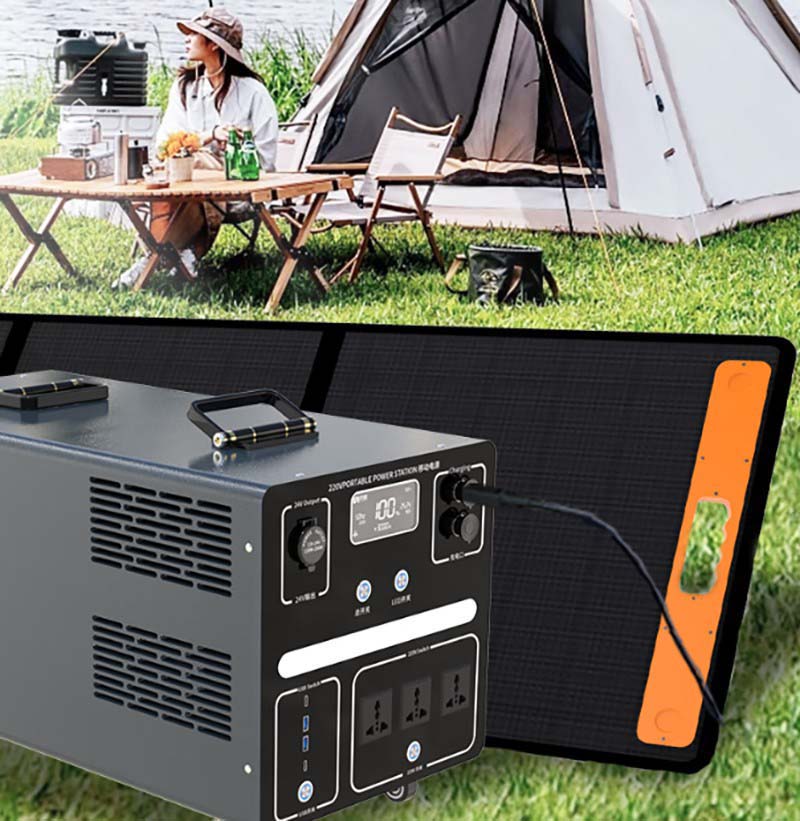
For extended off-grid use, integrate solar panels with your portable power station. Solar panels recharge the battery during daylight, reducing reliance on external power sources. Choose panels compatible with your charge controller and battery voltage. Portable foldable solar panels are ideal for travel and camping due to their lightweight and compact design.
Building a portable power station is a rewarding project that provides you with a versatile and reliable energy source. By understanding the key components—battery, charge controller, inverter—and assembling them safely, you can create a power station tailored to your needs. Whether for outdoor adventures, emergency preparedness, or everyday convenience, a DIY portable power station offers independence and peace of mind. Remember to prioritize safety, choose quality components, and maintain your system regularly to enjoy long-lasting performance. Start building today and power your life anywhere you go!
Related Content
- Best Portable Power Station for CPAP Your Ultimate Guide
- Hand-held 180000mAh Rechargeable Power Station The Ultimate Portable Energy Solution
- Portable Power Station 1000W with Solar Panel The Ultimate Guide
- Harare Thermal Power Station A Vital Energy Hub in Zimbabwe
- Ego Power Nexus Power Station A Comprehensive Overview
- Majuba Power Station Vacancies Your Ultimate Guide to Career Opportunities
- From Battersea Power Station to Battersea Park A Complete Guide
- EcoFlow Delta Pro Portable Power Station The Ultimate Solution for Portable Power
- EcoFlow Delta 2 Max Power Station 2048 Wh Ultimate Portable Power Solution
- Types of Power Stations An Overview