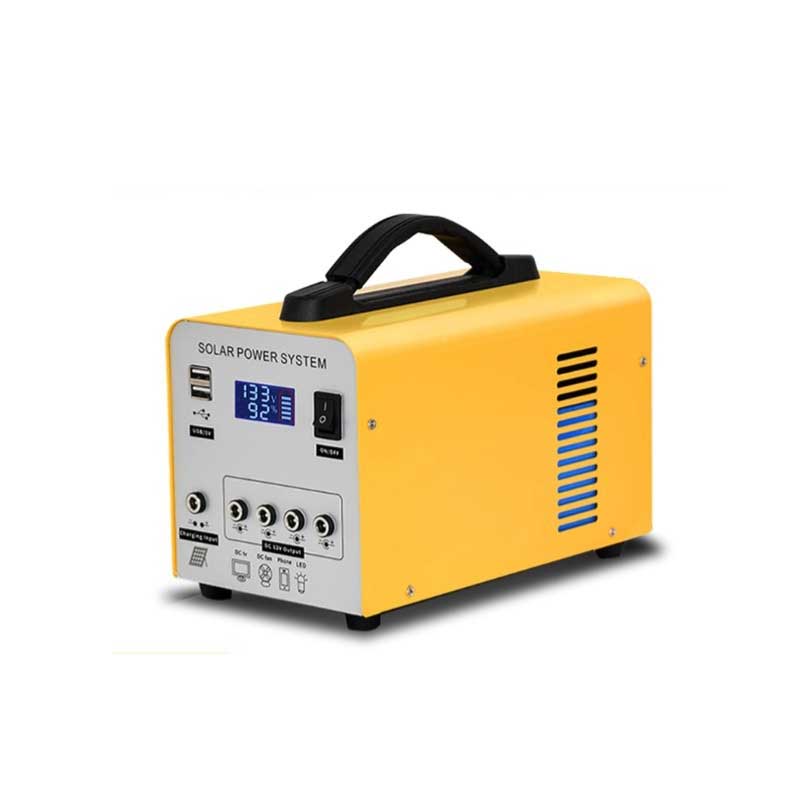
HP Desktop Power Supply An In-Depth Guide
OverviewThe power supply unit (PSU) of an HP desktop computer is often overlooked yet plays a crucial role in ensuring t...

Overview
The power supply unit (PSU) of an HP desktop computer is often overlooked yet plays a crucial role in ensuring the smooth operation of your system. It's responsible for converting raw electrical current into the specific voltage and current required by your computer components. A reliable and efficient power supply not only keeps your PC running but also prevents potential hardware damage and extends the lifespan of your investment. This guide delves into the key aspects of HP desktop power supplies, from understanding their basics to troubleshooting common issues.
Understanding Power Specifications
HP desktops come equipped with power supplies that adhere to specific power ratings, typically denoted in Watts (W). These ratings indicate the maximum amount of power the PSU can deliver under load. It's essential to match the PSU wattage with your system's needs—underpowering can lead to instability, while overpowering incurs unnecessary cost and efficiency losses.
Efficiency and Energy Star Certification
Modern HP desktop power supplies are designed with efficiency in mind, often boasting 80 PLUS certification levels (Bronze, Silver, Gold, Platinum). Higher certifications mean better energy efficiency, lower operating temperatures, and reduced energy bills. Additionally, look for Energy Star certification to ensure your PSU meets stringent environmental standards.
Modular vs. Non-Modular PSUs
Modular PSUs offer a cleaner cable management solution by allowing users to only install the cables they need. While non-modular PSUs come with all cables pre-attached, they can clutter the interior of your case, sometimes leading to airflow restrictions. If you're building or upgrading a system, consider a modular PSU for better organization and potential future upgrades.
Protection Mechanisms
A quality HP desktop power supply incorporates multiple layers of protection, including overvoltage protection (OVP), overcurrent protection (OCP), short circuit protection (SCP), and more. These safeguards help prevent damage to your components in case of power surges or other electrical anomalies.
Fan Design and Noise Levels
PSUs equipped with larger fans and advanced fan curves tend to run quieter and cooler than their counterparts with smaller fans. Look for PSUs that feature hydraulic bearings or ball bearings for longer lifespan and reduced noise production.
Replacing vs. Upgrading
If your current power supply is no longer under warranty or is causing issues, replacing it may be necessary. However, if you're planning significant upgrades (like adding high-end GPUs or CPUs), consider upgrading to a PSU with sufficient wattage and efficiency to accommodate these changes without compromising performance or stability.
DIY Replacement Tips
Replacing a power supply involves disconnecting power, removing the old unit, and securing the new one in place, ensuring proper cable connections. Always refer to your HP desktop's manual for specific instructions to avoid voiding warranties or causing damage during installation.
Testing Your PSU
After installation, use a multimeter to verify that all voltage rails are within specifications. Additionally, running a PSU testing tool can help identify any potential issues early on, ensuring reliable power delivery to your components.
Future-Proofing
When selecting a new power supply, consider future upgrades you may want to make. A slightly larger-capacity PSU now could save you from having to replace it again down the line when you add new components to your system.
Maintenance and Longevity
Regular dusting of the PSU and surrounding area helps maintain proper airflow, preventing overheating. Additionally, monitoring power consumption using tools like Power Supply Tester can alert you to any inefficiencies or potential faults before they become major problems.
The HP desktop power supply is a vital yet often overlooked component in your computer system. By understanding its specifications, efficiency, design features, and proper maintenance practices, you can ensure optimal performance, reduce maintenance costs, and extend the life of your desktop PC. Whether you're building from scratch or simply looking to upgrade or troubleshoot, this guide provides a comprehensive resource to help you make informed decisions about your power supply needs.
Related Content
- USB Power Bank Case Kit 1x 18650 Battery A Comprehensive Guide
- The Ultimate Guide to Power Banks for Laptops and Phones
- Halo 10,000mAh Quick Charge 20W PD Power Bank The Ultimate Portable Charging Solution
- What Is the Best Power Bank for iPhone 13?
- Power Supply 24VDC 10A A Comprehensive Guide
- PSU Power Supply Unit The Heart of Your Computer System
- Uninterrupted Power Supply Unit for Home Use Ensuring Continuous Power and Safety
- Power Bank Flashlight Camping The Ultimate Outdoor Essential
- Elegoo Power Supply Module Pinout A Comprehensive Guide
- Uninterruptible Power Supply Purpose Ensuring Continuous Power and Protecting Your Devices