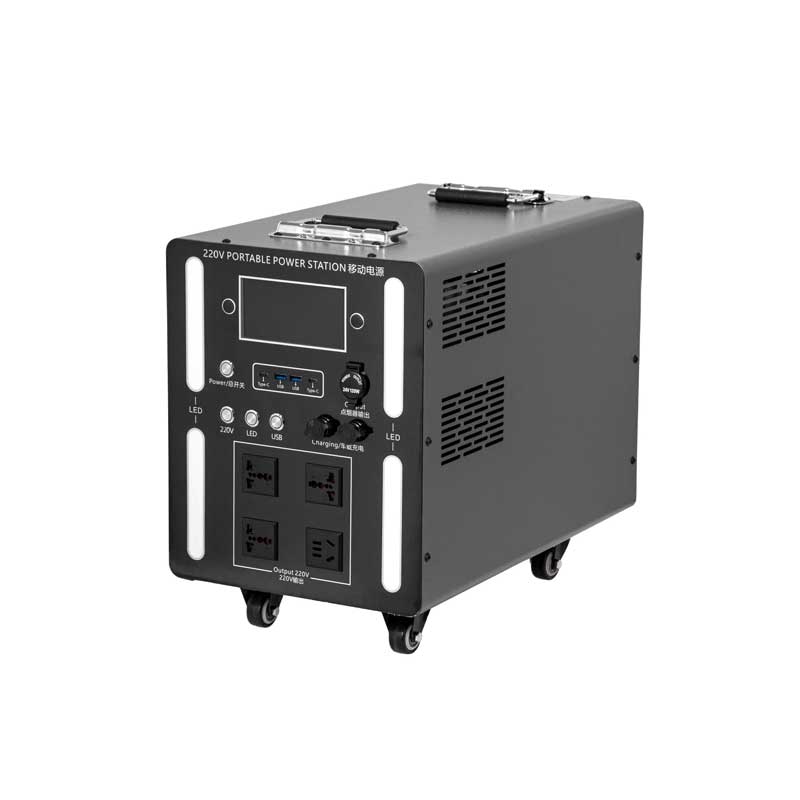
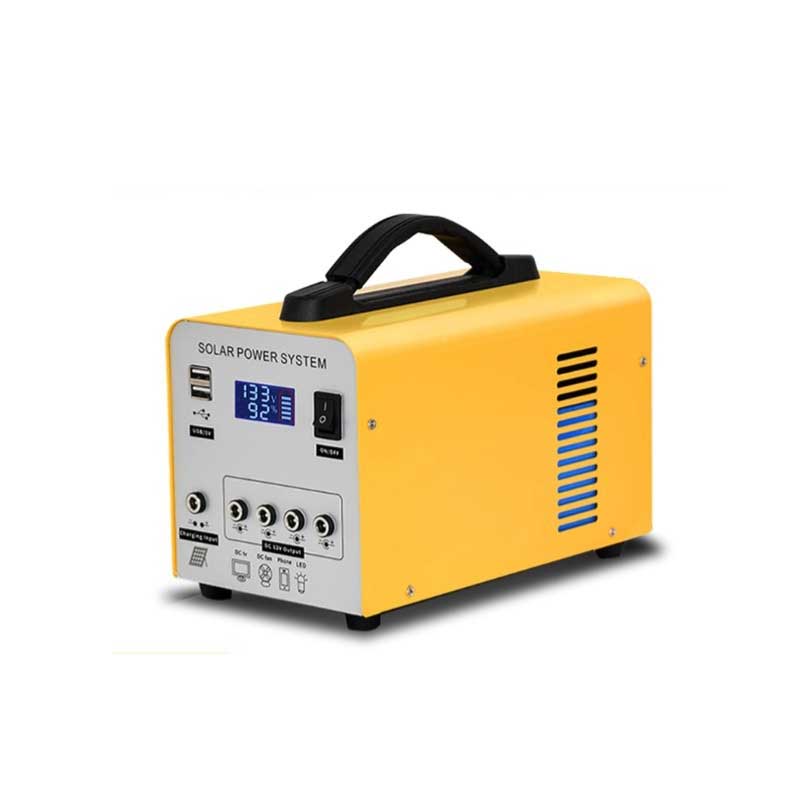
Inverter vs Portable Power Station Which One is Right for You?
When it comes to reliable power sources for outdoor activities, emergencies, or off-grid living, two popular options oft...
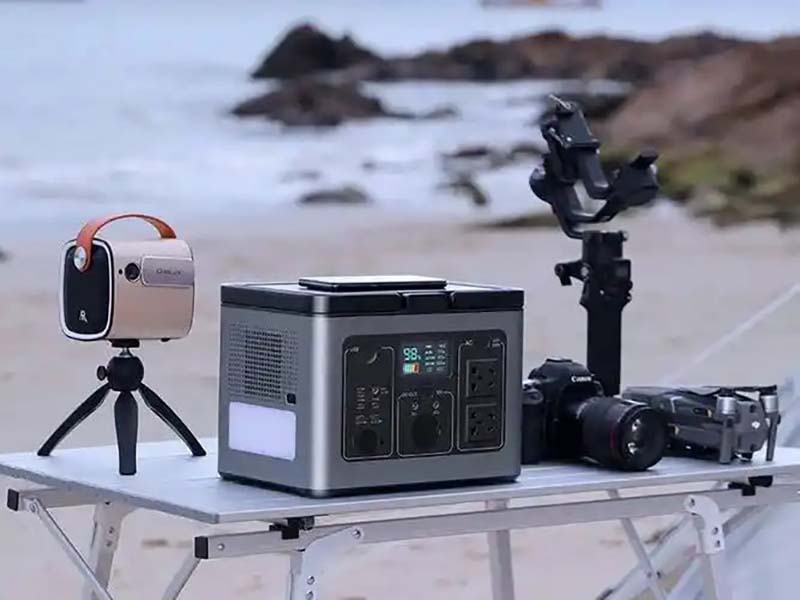
When it comes to reliable power sources for outdoor activities, emergencies, or off-grid living, two popular options often come up: inverters and portable power stations. Both serve the purpose of providing electricity on the go, but they operate differently and suit different needs. Understanding their features, advantages, and limitations can help you make an informed decision. In this article, we will compare inverters and portable power stations across several key aspects to help you decide which is best for your specific use case.
What is an Inverter?
An inverter is a device that converts direct current (DC) from a battery (usually a car battery or deep-cycle battery) into alternating current (AC), which is the type of electricity used by most household appliances. Inverters do not store energy themselves; instead, they rely on an external power source like a battery to function. They come in various sizes and power capacities, from small inverters for charging phones to large ones capable of powering major appliances.
What is a Portable power station?
A portable power station is an all-in-one, compact energy storage device that combines a high-capacity battery with an inverter, charge controller, and multiple output ports. It stores electricity internally, which can then be used to power or charge devices. Portable power stations are rechargeable via solar panels, wall outlets, or car chargers, making them versatile for outdoor adventures, emergencies, or backup power.
Portability and Convenience
Portable power stations are designed to be lightweight and easy to carry, often featuring handles and compact designs. They are plug-and-play devices requiring minimal setup. Inverters, on the other hand, usually need to be wired to a battery system and may require additional components like deep-cycle batteries, making them less convenient for quick use or transport.
Power Capacity and Output
Inverters can provide a wide range of power outputs depending on the connected battery and inverter size. They are ideal for high-power applications such as running refrigerators, power tools, or multiple devices simultaneously. Portable power stations come with built-in battery capacities that vary widely but may be limited compared to a well-equipped inverter system. However, portable power stations often include multiple output options (AC, USB, 12V DC), making them versatile for small to medium power needs.
Energy Storage and Rechargeability
Since inverters do not store energy, their performance depends entirely on the battery bank they are connected to. This means you need to maintain and recharge the batteries separately. Portable power stations have integrated batteries that can be recharged from various sources, including solar panels, making them more self-contained and easier to maintain.
Usage Scenarios
Inverters are best for users who already have a battery bank or vehicle battery and need to convert DC to AC power. They are suitable for RVs, boats, or off-grid homes where large power demands exist.
Portable power stations are perfect for campers, hikers, or anyone needing a portable, ready-to-use power source for charging electronics, small appliances, or emergency backup without the hassle of managing external batteries.
Safety Features
Portable power stations typically include built-in safety mechanisms such as overcharge protection, short circuit prevention, and temperature control. Inverters may require additional external safety components to protect the battery and connected devices, depending on the setup.
Cost Considerations
Inverters tend to be cheaper upfront compared to portable power stations, but the total cost can increase significantly when factoring in batteries and installation. Portable power stations are more expensive initially but offer an all-in-one solution without additional purchases or installation costs.
Environmental Impact
Both options can integrate with solar energy systems, but portable power stations are generally easier to pair with solar panels, promoting clean energy use. Inverter systems can be more complex and require additional components to efficiently harness solar power.
Choosing between an inverter and a portable power station depends largely on your power needs, portability preferences, and budget. If you need a powerful, customizable setup and already have a battery system, an inverter may be the best option. However, if you want a compact, convenient, and versatile power source for small to medium devices, a portable power station is likely the better choice. Understanding these key differences will help you select the right device to keep your electronics powered wherever you go.
Related Content
- What Is a Hydroelectric Power Station?
- Nuclear Power Stations in Europe An Overview and Key Insights
- Majuba Power Station Manager Key Roles and Responsibilities
- Portable Power Station 220V Your Ultimate Guide to Reliable Power On the Go
- Bluetti Power Station Price A Comprehensive Guide to Value and Cost
- Solar Panels for Power Stations Revolutionizing Energy Production
- How Do Portable Power Stations Work? A Comprehensive Guide
- Portable Power Station for Home A Comprehensive Guide
- Nuclear Power Stations in the US A Comprehensive Overview
- Jackery Portable Power Station Explorer 240 Your Ultimate Power Solution on the Go