Overcharge Protected Lithium Battery Ensuring Safety and Longevity
In the rapidly evolving world of portable electronics, electric vehicles, and renewable energy storage, lithium batterie...
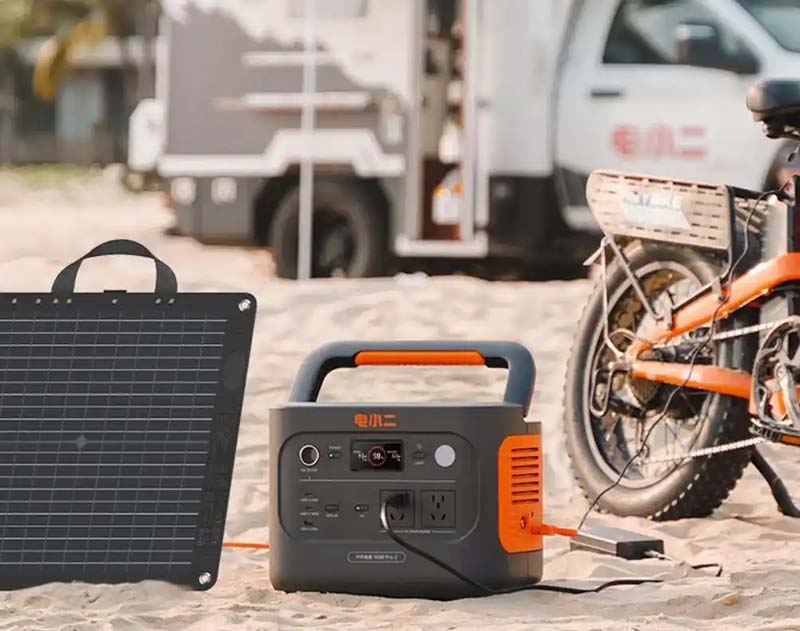
In the rapidly evolving world of portable electronics, electric vehicles, and renewable energy storage, lithium batteries have become the power source of choice due to their high energy density and long cycle life. However, one of the critical challenges with lithium batteries is the risk of overcharging, which can lead to safety hazards such as overheating, swelling, or even explosions. To address this, overcharge protected lithium batteries have been developed, incorporating advanced safety features to prevent damage and ensure reliable performance. This article provides an in-depth overview of overcharge protected lithium batteries, highlighting their importance, working principles, benefits, and applications.
What is an Overcharge Protected lithium battery?
An overcharge protected lithium battery is a lithium-ion or lithium-polymer battery equipped with built-in safety mechanisms designed to prevent the battery from charging beyond its maximum voltage limit. Overcharging can cause excessive heat build-up and chemical instability inside the battery cells, which may result in permanent damage or hazardous situations. By integrating protection circuits or devices, these batteries automatically cut off the charging process once the battery reaches full charge, maintaining safe operation.
Importance of Overcharge Protection
Overcharge protection is critical for lithium batteries because of the chemistry involved. Unlike other battery types, lithium cells are sensitive to voltage variations. When a lithium battery is overcharged, it can lead to:
Increased internal pressure and temperature
Electrolyte decomposition
Risk of thermal runaway
Reduced battery lifespan
Therefore, overcharge protection not only enhances safety but also improves battery durability and performance consistency.
Key Components of Overcharge Protection Systems
Overcharge protection in lithium batteries typically involves several key components:
Battery Management System (BMS): An electronic system that monitors voltage, current, and temperature, and controls charging and discharging.
Protection Circuit Module (PCM): A dedicated circuit that interrupts charging when voltage exceeds safe thresholds.
Fuses and PTC Thermistors: These provide additional layers of protection by breaking the circuit during abnormal conditions.
Together, these components work seamlessly to prevent overcharging and maintain battery health.
How Overcharge Protection Works
During the charging process, the BMS continuously monitors the voltage of each cell. Once the voltage reaches the maximum safe level (usually around 4.2V per cell for lithium-ion), the BMS signals the charger to stop supplying current. The PCM acts as a fail-safe by physically disconnecting the battery from the charger if the voltage surpasses the set limit. This dual-layer protection ensures that overcharging is effectively prevented.
Benefits of Using Overcharge Protected Lithium Batteries
Using overcharge protected lithium batteries offers multiple advantages:
Enhanced Safety: Reduces risks of fire, explosion, and chemical leakage.
Extended Battery Life: Prevents damage caused by overvoltage stress.
Improved Device Reliability: Ensures consistent power station and performance.
Cost Efficiency: Minimizes the need for battery replacements and maintenance.
Compliance with Regulations: Meets safety standards required by industry and government bodies.
Applications of Overcharge Protected Lithium Batteries
These batteries are widely used in applications where safety and reliability are paramount, including:
Consumer electronics such as smartphones, laptops, and tablets
Electric vehicles (EVs) and hybrid electric vehicles (HEVs)
Renewable energy storage systems like solar power batteries
Medical devices requiring stable and safe power sources
power tools and portable equipment
Choosing the Right Overcharge Protected Lithium Battery
When selecting an overcharge protected lithium battery, consider factors such as:
Battery capacity and voltage specifications
Quality and reliability of the protection circuit
Compatibility with your device or system
Manufacturer reputation and warranty
Certifications and compliance with safety standards
Overcharge protected lithium batteries have become essential components in modern technology, offering a critical layer of safety and reliability. By preventing overcharging, these batteries safeguard users and devices from potential hazards while extending battery lifespan and optimizing performance. Whether for everyday consumer electronics or advanced industrial applications, incorporating overcharge protected lithium batteries is a smart choice that ensures peace of mind and long-term value. As lithium battery technology continues to advance, enhanced protection features will remain a cornerstone of safe and efficient energy storage solutions.
Related Content
- Lithium Batteries for Street Vendors Powering Mobile Businesses Efficiently
- Outdoor Lithium Battery The Ultimate Power Solution for Your Adventures
- Lithium-ion Battery Power Adapter An In-Depth Guide
- 220V Multi-Port Lithium Battery A Comprehensive Guide
- Overcurrent Protection Lithium Battery Ensuring Safety and Longevity
- 2400W High-Endurance Lithium Battery Powering the Future with Reliability and Efficiency
- Night Market Lithium Batteries A Comprehensive Guide
- 150000mAh High-Endurance Lithium Battery The Ultimate Power Solution
- Lithium Battery with Lead Wire A Comprehensive Guide
- 600W High-Capacity Lithium Battery Powering the Future Efficiently