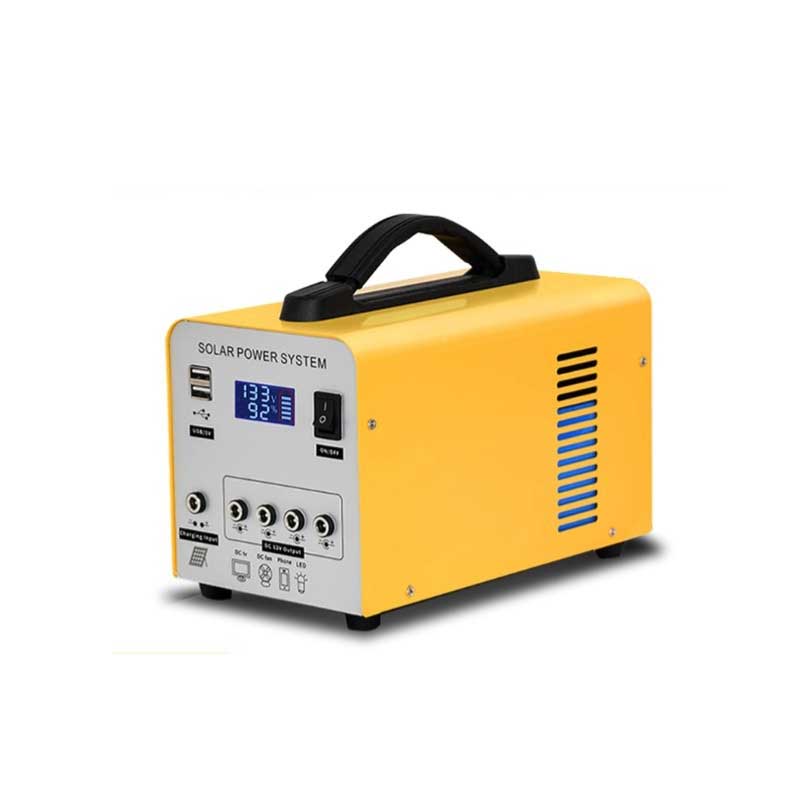
Plastic Enclosure for Power Supply A Comprehensive Guide
In today’s rapidly evolving electronics industry, protecting sensitive components is paramount. One essential element in...
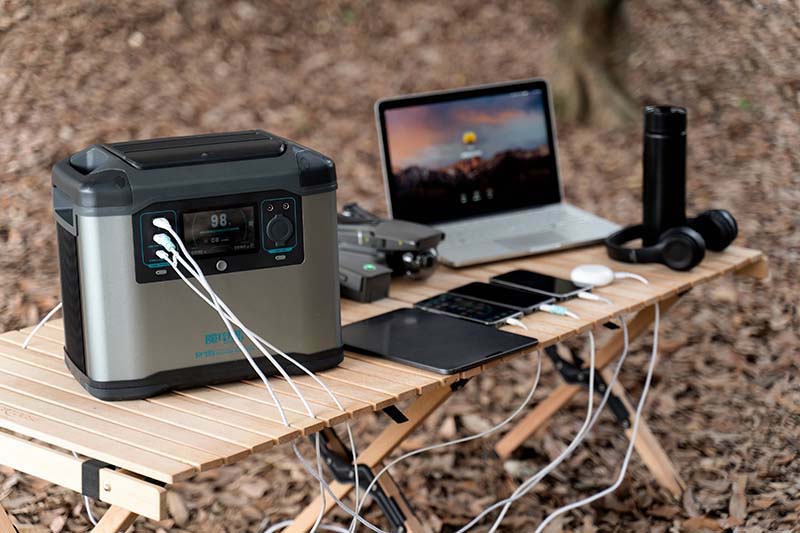
In today’s rapidly evolving electronics industry, protecting sensitive components is paramount. One essential element in safeguarding power supply units is the use of plastic enclosures. These enclosures not only provide physical protection but also contribute to thermal management, electrical insulation, and aesthetic appeal. This article delves into the importance of plastic enclosures for power supplies, exploring their key features, benefits, and considerations for choosing the right enclosure.
1. What is a Plastic Enclosure for Power Supply?
A plastic enclosure for power supply is a protective casing made from various plastic materials designed to house and protect power supply units (PSUs). These enclosures shield the PSU from environmental factors such as dust, moisture, and mechanical impact. Unlike metal enclosures, plastic ones offer lightweight construction with excellent electrical insulation properties, making them ideal for many electronic applications.
2. Advantages of Using Plastic Enclosures
Plastic enclosures provide several benefits over traditional metal or other material housings:
Electrical Insulation: Plastic is a natural insulator, preventing accidental electrical shocks and short circuits.
Lightweight: Easier to handle and install, reducing shipping and mounting costs.
CostEffective: Generally less expensive to manufacture and purchase.
Corrosion Resistance: Unlike metal, plastics do not rust or corrode, increasing longevity.
Design Flexibility: Plastic can be molded into complex shapes and sizes, allowing for customized enclosures.
3. Common Materials Used in Plastic Enclosures
Different plastics are used depending on the application requirements:
ABS (Acrylonitrile Butadiene Styrene): Durable and impactresistant, suitable for generalpurpose enclosures.
Polycarbonate: Offers high impact resistance and good heat resistance.
PVC (Polyvinyl Chloride): Resistant to chemicals and moisture, often used in harsh environments.
Polypropylene: Known for chemical resistance and flexibility.
Choosing the right material depends on factors such as operating temperature, environmental exposure, and mechanical stress.
4. Thermal Management in Plastic Enclosures
Power supplies generate heat during operation, and managing this heat is critical to prevent damage and maintain efficiency. Although plastic is not as thermally conductive as metal, manufacturers incorporate design features such as ventilation slots, heat sinks, and internal thermal pads to improve heat dissipation. Proper enclosure design ensures that the power supply operates within safe temperature ranges.
5. Customization and Design Options
Plastic enclosures offer a high degree of customization to meet specific power supply needs:
Size and Shape: Tailored dimensions to fit various PSU sizes.
Mounting Features: Options for wall mounting, DIN rail mounting, or panel mounting.
Color and Finish: Custom colors and surface textures to match branding or aesthetic requirements.
Cutouts and Openings: For connectors, switches, LEDs, and cooling vents.
This flexibility allows manufacturers to create enclosures that perfectly integrate with their products and applications.
6. Environmental Protection and Compliance
Plastic enclosures can be designed to meet various environmental protection standards, such as IP ratings (Ingress Protection). This ensures resistance to dust and water, making them suitable for indoor and outdoor applications. Additionally, many plastic enclosures comply with UL (Underwriters Laboratories) and RoHS (Restriction of Hazardous Substances) regulations, assuring safety and environmental responsibility.
7. Applications of Plastic Enclosures for Power Supplies
Plastic enclosures are widely used across various industries due to their versatility:
Consumer Electronics: power adapters and chargers.
Industrial Equipment: Control panels and automation systems.
Medical Devices: Portable medical power supplies.
Telecommunications: Network equipment power units.
Renewable Energy: solar power inverters and battery chargers.
Their adaptability to different environments and requirements makes them a preferred choice in many sectors.
8. Considerations When Selecting a Plastic Enclosure
When choosing a plastic enclosure for your power supply, consider the following:
Operating Environment: Temperature, humidity, and exposure to chemicals.
Mechanical Protection: Impact resistance and durability needs.
Thermal Requirements: Ability to dissipate heat efficiently.
Size and Mounting: Compatibility with the power supply and installation location.
Regulatory Compliance: Necessary certifications and standards.
Evaluating these factors ensures that the enclosure will provide reliable protection and performance.
Plastic enclosures for power supplies play a crucial role in protecting sensitive electronic components while offering benefits such as electrical insulation, lightweight design, and costeffectiveness. With a wide range of materials, customization options, and environmental protections available, plastic enclosures can be tailored to suit diverse applications and industries. By carefully considering factors such as thermal management, mechanical protection, and compliance, manufacturers and users can select the ideal plastic enclosure to enhance the safety, durability, and functionality of their power supply units. Investing in the right enclosure ultimately contributes to the longevity and reliability of electronic devices in today’s technologydriven world.
Related Content
- Portable Charger Power Bank for iPhone The Ultimate Guide
- 12 Volt Power Supply for Outdoor 12V Lighting A Comprehensive Guide
- Power Bank 18650 Box A Comprehensive Guide to Portable Power Solutions
- External Power for Laptops A Comprehensive Guide
- Home Depot Portable Power Supply Your Ultimate Guide to Reliable Power On-the-Go
- Portable Charger Power Bank for Camping Your Ultimate Outdoor Energy Solution
- External Power Supply Module A Comprehensive Guide
- Power Supplies for Sale A Comprehensive Guide to Choosing the Best
- The Ultimate Guide to 12V Power Supply Everything You Need to Know
- Portable Power Bank Your Ultimate Guide to OntheGo Charging