Power Inverter 12V DC to 110V AC Converter A Comprehensive Guide
In today’s world, where electronic devices are integral to our daily lives, having a reliable power source is essential....
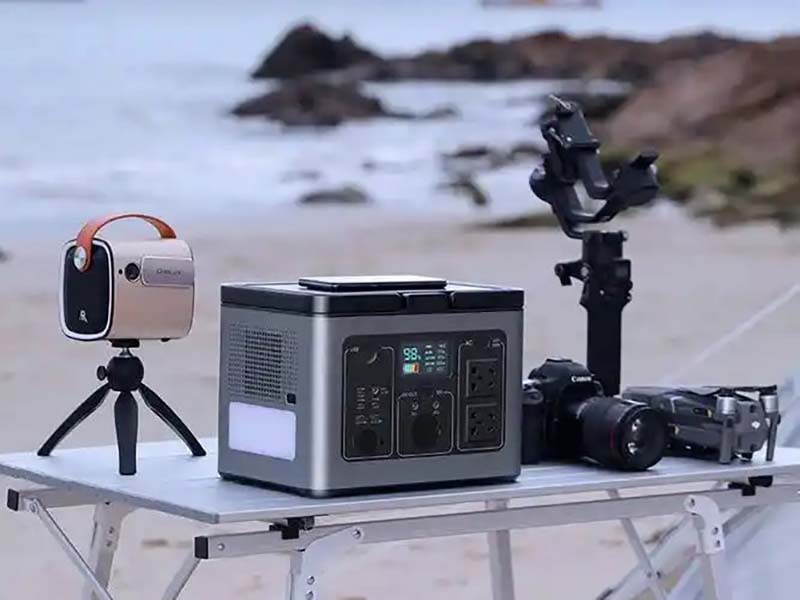
In today’s world, where electronic devices are integral to our daily lives, having a reliable power source is essential. A power inverter that converts 12V DC (direct current) to 110V AC (alternating current) is a crucial device for anyone who needs to use household appliances or electronic gadgets on the go, especially in vehicles, boats, or remote locations. This article explores the fundamental aspects of a 12V DC to 110V AC power inverter, its benefits, key features, and practical applications.
What is a Power Inverter 12V DC to 110V AC Converter?
A power inverter is an electronic device that transforms direct current (DC) from a battery or solar panel into alternating current (AC), which is the standard electrical current used in homes and businesses. Specifically, a 12V DC to 110V AC inverter takes power from a 12-volt DC source, such as a car battery, and converts it to 110 volts AC, suitable for powering household appliances like laptops, TVs, or small kitchen gadgets.
Why Use a 12V DC to 110V AC Power Inverter?
The main reason to use this type of inverter is to enable the use of standard AC-powered devices in environments where only DC power sources are available. For example, when traveling in a car, camping, or during power outages, this inverter allows you to run your essential electronics without the need for a traditional power outlet.
Key Features to Look For
Power Rating (Wattage): Choose an inverter with a wattage rating that meets or exceeds the total wattage of the devices you plan to power. Common ratings range from 150W to 3000W.
Waveform Type: Pure sine wave inverters provide clean power suitable for sensitive electronics, while modified sine wave inverters are more affordable but may not be compatible with all devices.
Efficiency: Higher efficiency means less energy loss during conversion, resulting in longer battery life.
Safety Features: Look for inverters with built-in protections such as overload, short circuit, over-temperature, and low voltage shutdown.
Portability: Compact and lightweight designs are ideal for travel and outdoor use.
How Does a 12V DC to 110V AC Inverter Work?
The inverter uses electronic circuits to switch the DC input rapidly on and off, creating a square wave or sine wave that mimics AC power. This alternating current is then stepped up to 110 volts using a transformer or electronic circuitry, making it compatible with household appliances.
Common Applications
Vehicle Use: Power laptops, phones, portable refrigerators, and other devices while driving.
Camping and Outdoor Activities: Run lights, fans, and small appliances without access to the grid.
Emergency Backup Power: Keep essential devices running during power outages.
solar power Systems: Convert stored solar energy in batteries to usable AC power for home use.
Installation and Usage Tips
Ensure your battery or DC source is fully charged and capable of handling the inverter's load.
Connect the inverter directly to the battery terminals using appropriate gauge cables to avoid voltage drops.
Avoid running the inverter continuously at maximum capacity to prevent overheating.
Use the inverter in a well-ventilated area to maintain optimal performance.
Advantages of Using a 12V DC to 110V AC Power Inverter
Versatility: Enables the use of a wide range of AC devices in DC power environments.
Convenience: Provides power on the go without needing a generator.
Cost-Effective: Saves money by using existing 12V batteries instead of purchasing additional power sources.
Energy Efficiency: Modern inverters are designed to minimize energy loss.
Potential Limitations
Limited runtime depending on battery capacity.
Some inverters may produce noise or interfere with sensitive electronics if not pure sine wave.
Overloading the inverter can cause damage or shutdown.
A power inverter that converts 12V DC to 110V AC is an indispensable tool for anyone needing reliable AC power from a DC source. Whether for travel, outdoor activities, emergency backup, or solar power systems, understanding the features, applications, and proper use of these inverters ensures you get the most out of your investment. Always select an inverter that matches your power needs and safety requirements to enjoy seamless and efficient power conversion wherever you go.
Related Content
- 9V 5A Power Supply A Comprehensive Guide
- Power Supply Module HS Code A Comprehensive Guide
- Anker Ultra Slim Magnetic Power Bank The Ultimate Portable Charging Solution
- Belkin Magnetic Wireless Power Bank 2.5K The Ultimate Portable Charging Solution
- Breadboard Power Supply Module 3.3V/5V A Comprehensive Guide
- Small Portable Power Supply The Ultimate Guide to Staying Powered On the Go
- Temperature Control Protection power station Ensuring Safety and Efficiency
- Switching Power Supply 12V 60A A Comprehensive Guide
- Lithium-ion Battery Lighting The Future of Portable Illumination
- Power Banks for Laptop Charging A Comprehensive Guide to Prices and Options