Power Station for Heater A Comprehensive Guide
In today’s world, having a reliable power source for your heater is essential, especially during cold seasons or outdoor...
In today’s world, having a reliable power source for your heater is essential, especially during cold seasons or outdoor activities. A power station for a heater ensures that you stay warm and comfortable without interruptions. Whether you are camping, facing a power outage, or need a portable heating solution, understanding how power stations work for heaters can help you make informed decisions. This article provides an in-depth overview of power stations for heaters, highlighting key points to consider.
What is a Power Station for Heater?
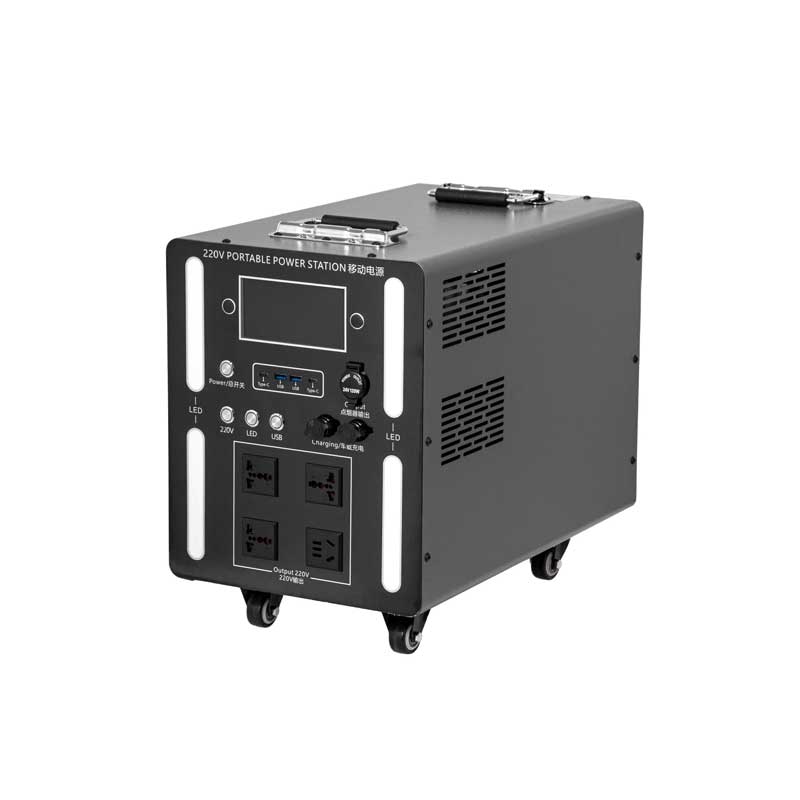
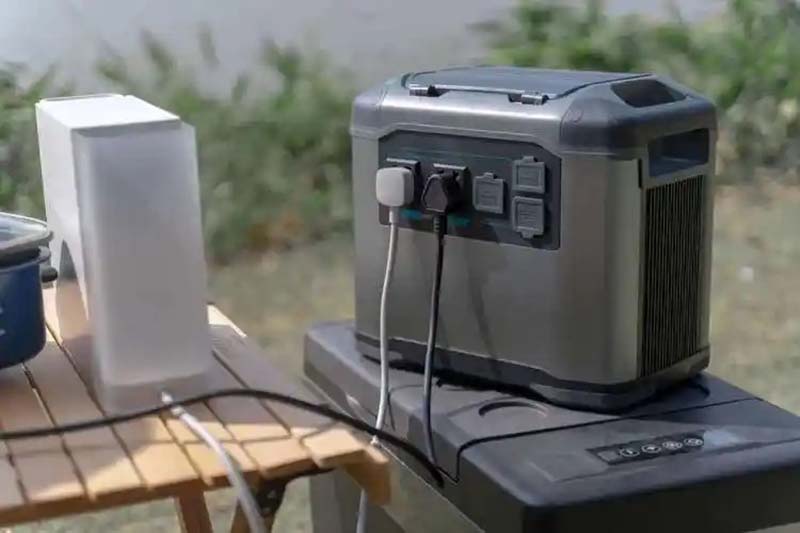
A power station for a heater is a portable energy storage device designed to provide electricity to heating appliances. These power stations typically store energy in built-in batteries and deliver power through various output ports such as AC outlets, USB, and DC sockets. They offer a convenient and eco-friendly alternative to traditional fuel-based generators.
Types of Power Stations Suitable for Heaters
Not all power stations are created equal when it comes to powering heaters. The main types include:
Portable Battery Generators: Compact and easy to carry, suitable for small to medium heaters.
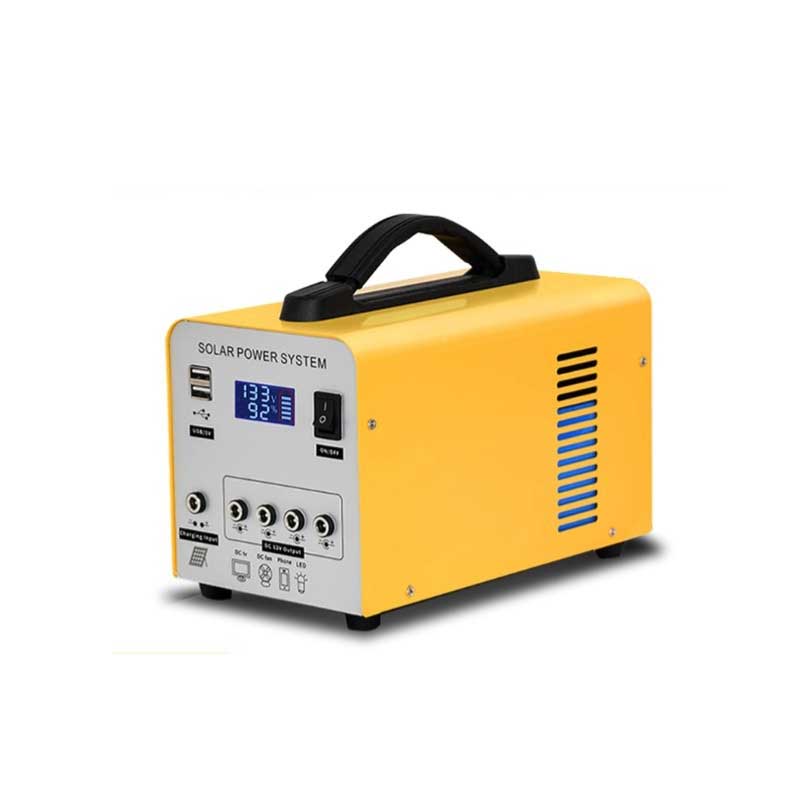
solar power stations: Equipped with solar panels, ideal for eco-conscious users and extended outdoor use.
Gasoline/Diesel Generators: More powerful but noisier and less environmentally friendly.
Choosing the right type depends on your heater’s power requirements and usage scenario.
Power Requirements for Heaters
Heaters generally consume a significant amount of power, often ranging from 500 watts to 1500 watts or more. Before selecting a power station, it’s crucial to check the heater’s wattage rating. Make sure the power station can supply continuous power equal to or greater than the heater’s wattage to avoid overloads.
Battery Capacity and Runtime
Battery capacity, measured in watt-hours (Wh), determines how long a power station can run a heater. For example, a 1000Wh power station can theoretically run a 1000W heater for about one hour. However, actual runtime may vary based on efficiency and environmental factors. Larger capacity power stations offer longer heating durations but are typically heavier and more expensive.
Inverter Quality and Output Stability
Heaters often require a stable and clean power supply to operate safely. Power stations with pure sine wave inverters provide smooth and consistent AC power, mimicking household electricity. This feature is essential to prevent damage to sensitive heating elements and ensure efficient operation.
Portability and Size
If you plan to use your heater power station for camping or outdoor activities, portability is a key factor. Lightweight and compact designs make transportation easier. Some models come with handles or wheels for added convenience.
Safety Features
Safety is paramount when dealing with high-power appliances like heaters. Look for power stations with built-in protections such as overcharge, over-discharge, short circuit, and temperature control. These features help prevent accidents and extend the lifespan of both the power station and the heater.
Recharge Options
Power stations can be recharged via multiple methods:
AC Wall Outlet: Fast and reliable for home use.
Solar Panels: Sustainable and useful for off-grid situations.
Car Chargers: Convenient for travel and camping.
Having multiple recharge options increases flexibility and ensures your heater stays powered under various conditions.
Cost Considerations
Power stations for heaters vary widely in price based on capacity, features, and brand. While higher capacity and advanced features come at a premium, investing in a quality power station can save money in the long run by providing reliable heating and reducing fuel costs.
Environmental Impact
Using a battery-powered power station for your heater reduces reliance on fossil fuels and decreases noise pollution. Solar-compatible models further enhance environmental benefits by harnessing renewable energy.
A power station for a heater is an invaluable tool for maintaining warmth and comfort in diverse settings. By understanding the types, power requirements, battery capacity, inverter quality, portability, safety features, recharge options, cost, and environmental impact, you can select the perfect power station to meet your heating needs. Investing in the right power station not only ensures reliable heating but also promotes sustainability and convenience. Whether for home backup, outdoor adventures, or emergency preparedness, a power station for your heater is a smart and practical choice.
Related Content
- Battersea Power Station Affordable Housing A Comprehensive Overview
- Portable Power Station Battery The Ultimate Guide for Reliable On-the-Go Energy
- Power Stations with Solar Harnessing the Future of Clean Energy
- Power Station Anker The Ultimate Portable Power Solution
- Some Like It Hot Power Station Chords A Comprehensive Guide
- Hand-Held Portable Energy Storage Power Station The Future of On-the-Go Power
- 110V 1000W Night Market Mobile Power Station Your Ultimate Portable Energy Solution
- Battersea Power Station Hotel Restaurant A Unique Dining Experience in London
- Discover the Best Fish Restaurant Near Battersea Power Station
- RV Portable Power Station The Ultimate Guide to Reliable Off-Grid Energy