Power Station for Space Heater A Comprehensive Guide
When it comes to keeping your space warm during cold weather, a space heater is an effective solution. However, powering...
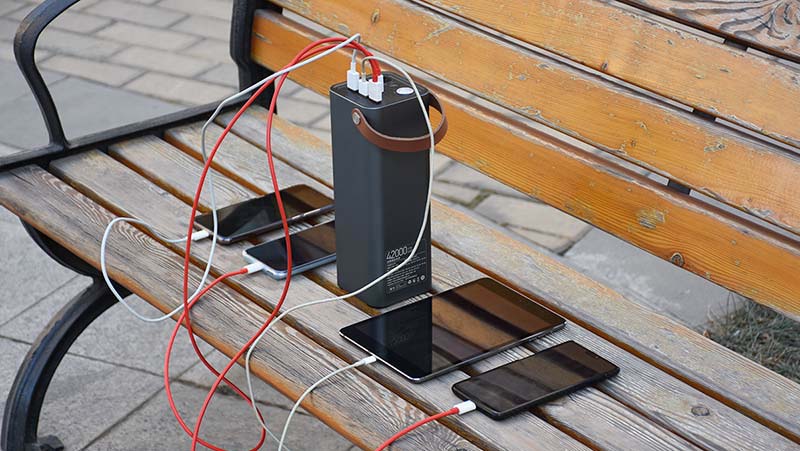
When it comes to keeping your space warm during cold weather, a space heater is an effective solution. However, powering a space heater can sometimes be challenging, especially in areas without reliable electricity or during outdoor activities. This is where a power station for a space heater comes into play. A power station, often referred to as a portable power station or battery generator, provides a convenient and reliable source of electricity for your space heater, ensuring warmth wherever you need it. In this article, we will explore the key aspects of using a power station for a space heater, including how to choose the right power station, its benefits, and important considerations to keep in mind.
Understanding Power Stations for Space Heaters
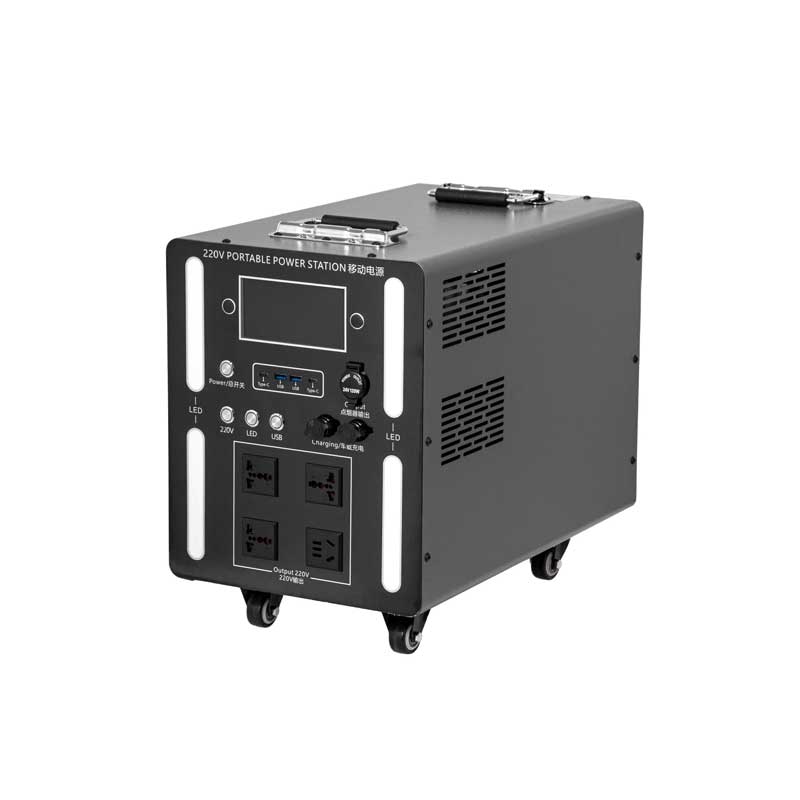
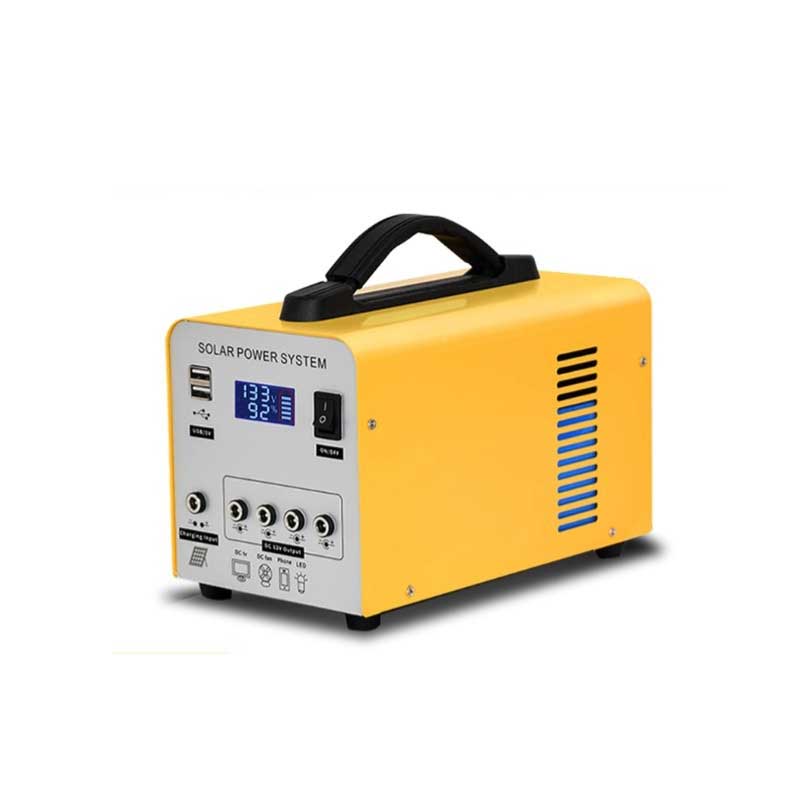
A power station is a portable energy storage device that can power various electrical appliances, including space heaters. Unlike traditional generators, power stations are quiet, emit no fumes, and are easy to use indoors. They usually contain rechargeable lithium-ion batteries and multiple output ports to connect different devices. When choosing a power station for a space heater, it’s essential to understand the wattage requirements of your heater to ensure compatibility.
Calculating Power Requirements
Space heaters typically consume between 750 to 1500 watts depending on their size and heating capacity. To select a suitable power station, you must check the heater’s wattage and choose a power station that can handle at least that much continuous output. For instance, if your space heater consumes 1500 watts, the power station should provide at least 1500 watts of continuous power output. Additionally, consider the power station’s battery capacity (measured in watt-hours, Wh) to determine how long it can run the heater.
Battery Capacity and Runtime
Battery capacity is a critical factor when using a power station for a space heater. The higher the capacity, the longer the heater can operate without recharging. For example, a power station with a 1500Wh battery can theoretically run a 1500W heater for about one hour. However, real-world runtime may be lower due to energy losses and efficiency factors. If you want extended heating periods, look for power stations with larger battery capacities or consider connecting multiple units.
Portability and Convenience
One of the main advantages of using a power station is portability. Unlike traditional fuel-powered generators, power stations are lightweight, compact, and easy to carry. This makes them ideal for camping trips, outdoor work sites, or emergency situations where heating is necessary but no grid power is available. Furthermore, power stations operate silently and produce zero emissions, making them suitable for indoor use without ventilation concerns.
Charging Options and Flexibility
Modern power stations offer various charging methods, including wall outlets, car chargers, and solar panels. This flexibility allows you to recharge your power station even when you are off-grid. Solar charging is particularly useful for extended outdoor use or emergencies, providing a renewable energy source to keep your space heater running.
Safety Features
Safety is paramount when using electrical devices like space heaters with power stations. Look for power stations equipped with safety features such as overload protection, short circuit protection, and temperature control. These features help prevent damage to the power station and connected devices, ensuring safe operation. Additionally, always follow the manufacturer’s guidelines when connecting a space heater to a power station.
Cost Considerations
Power stations can vary widely in price based on capacity, features, and brand. While high-capacity models capable of running space heaters may be more expensive upfront, they offer long-term value by providing reliable power in various situations. When budgeting, consider both the initial investment and potential savings from not using fuel-based generators or traditional electricity sources.
Environmental Benefits
Using a power station to run a space heater is an environmentally friendly option compared to gasoline or propane generators. Power stations produce zero emissions and operate silently, reducing noise pollution. When paired with solar charging, they become a sustainable energy solution that lowers your carbon footprint while keeping you warm.
A power station for a space heater is an excellent solution for portable, reliable heating in places without easy access to electricity. By understanding the power requirements, battery capacity, portability, and safety features, you can select the best power station to meet your needs. Whether for emergency preparedness, outdoor adventures, or simply reducing your reliance on grid power, a power station offers a clean, quiet, and convenient way to keep your space heater running efficiently. Investing in the right power station ensures warmth and comfort no matter where you are.
Related Content
- Bluetti EP500Pro Solar Power Station A Comprehensive Review
- Waikato River Hydroelectric Power Stations A Comprehensive Overview
- Post Office Battersea Power Station A Historic Landmark and Modern Hub
- Battersea Power Station Prints A Stunning Tribute to London’s Iconic Landmark
- Portable Solar Power Station A Comprehensive Guide
- 2400W Outdoor High-Endurance Power Station The Ultimate Solution for Reliable Power Anywhere
- EcoFlow Delta 3 Power Station Reviews A Comprehensive Overview
- Vtoman 1000W Portable Power Station Your Ultimate Power Solution
- Gas Power Station Efficiency Maximizing Energy Output and Minimizing Waste
- Portable Power Station 30 Amp Plug The Ultimate Guide