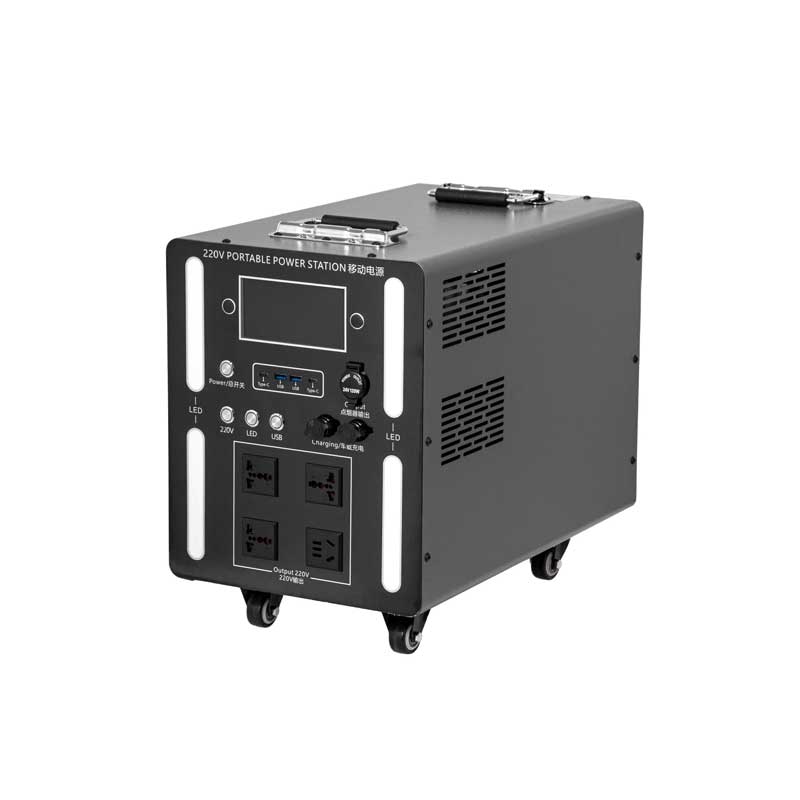
Power Station Some Like It Hot
In today's rapidly evolving energy landscape, power stations remain the backbone of electricity generation worldwide. Am...

In today's rapidly evolving energy landscape, power stations remain the backbone of electricity generation worldwide. Among the various types of power stations, thermal power plants—often referred to as "hot" power stations—play a crucial role in meeting global energy demands. The phrase "Some Like It Hot" perfectly encapsulates the essence of thermal power stations, which harness heat to produce electricity. This article explores the significance, workings, advantages, challenges, and future prospects of thermal power stations.
What is a Power Station?
A power station, also known as a power plant or generating station, is an industrial facility designed to generate electric power. It converts various forms of energy—such as fossil fuels, nuclear, or renewable sources—into electrical energy that powers homes, industries, and cities. Power stations can be broadly classified based on the energy source they use, including thermal, hydroelectric, nuclear, and renewable power stations.
Understanding Thermal Power Stations
Thermal power stations generate electricity by converting heat energy into electrical energy. The heat is typically produced by burning fossil fuels such as coal, natural gas, or oil. In some cases, nuclear reactions or biomass combustion are used. The heat converts water into steam, which drives a steam turbine connected to an electric generator. This process is highly efficient and forms the backbone of many national grids.
Key Components of a Thermal Power Station
A typical thermal power station includes several key components:
Boiler: Burns fuel to generate heat.
Turbine: Converts steam energy into mechanical energy.
Generator: Converts mechanical energy into electrical energy.
Condenser: Cools steam back into water to reuse.
Cooling Tower: Releases excess heat into the atmosphere.
Understanding these components helps in appreciating how thermal power stations operate efficiently.
Advantages of Thermal Power Stations
Thermal power stations have several benefits that contribute to their continued use worldwide:
Reliable power supply: They provide a stable and continuous supply of electricity regardless of weather conditions.
High Energy Output: Capable of producing large amounts of electricity to meet urban and industrial demands.
Established Technology: Proven and well-understood technology with existing infrastructure.
Fuel Availability: Fossil fuels are widely available in many regions, ensuring fuel security.
Environmental Challenges
Despite their advantages, thermal power stations pose significant environmental concerns:
Air Pollution: Burning fossil fuels releases greenhouse gases such as CO2, contributing to climate change.
Water Usage: Large quantities of water are required for cooling, impacting local water resources.
Waste Management: Handling of ash and other by-products can cause environmental hazards.
Land Degradation: Mining for coal or fuel extraction can damage ecosystems.
Addressing these challenges is critical for sustainable energy production.
Innovations and Efficiency Improvements
To counter environmental impacts, the thermal power industry is adopting new technologies:
Supercritical and Ultra-supercritical Boilers: Operate at higher temperatures and pressures to improve efficiency.
Carbon Capture and Storage (CCS): Captures CO2 emissions before they reach the atmosphere.
Co-firing with Biomass: Reduces carbon footprint by mixing renewable fuels with coal.
Advanced Pollution Control Systems: Reduces emissions of sulfur dioxide, nitrogen oxides, and particulates.
These innovations help thermal power stations become cleaner and more efficient.
The Future of Thermal Power Stations
While renewable energy sources like solar and wind are gaining traction, thermal power stations will continue to play a vital role for decades:
Grid Stability: They provide baseload power, ensuring grid reliability alongside intermittent renewables.
Transition Fuel: Natural gas power plants serve as a cleaner alternative during the transition to a low-carbon economy.
Hybrid Systems: Integration with renewable technologies for optimized performance.
The future lies in balancing energy demands with environmental responsibility.
Power stations, especially thermal or "hot" power plants, remain integral to global electricity generation. Their ability to produce large-scale, reliable power makes them indispensable despite environmental challenges. Through ongoing innovation and sustainable practices, thermal power stations can adapt to a cleaner energy future. For those who "like it hot," these power stations will continue to fuel the world with the energy needed to power progress and development.
This comprehensive overview highlights the importance of thermal power stations, their operation, benefits, challenges, and future prospects, making it a valuable resource for anyone interested in the energy sector.
Related Content
- Anker Solix 522 Portable Power Station Review A Reliable Power Solution for On-the-Go
- Stanley Portable Power Station Jump Starter Your Ultimate On-the-Go Power Solution
- US Nuclear Power Stations An Overview and Key Insights
- Portable Power Station for Home Use A Comprehensive Guide
- Anker Solix C300 DC Portable Power Station The Ultimate Power Solution for On-the-Go Energy Needs
- EcoFlow Portable Power Station River 3 A Comprehensive Review
- Vtoman Power Station Reviews A Comprehensive Guide
- Bluetti AC180P Solar Portable Power Station Your Ultimate Off-Grid Power Solution
- 10000mAh Lighting Stall Power Station Your Ultimate Portable Energy Solution
- Image of Gas Fired Power Station A Comprehensive Overview