Power Station to Run Refrigerator A Comprehensive Guide
In today’s world, ensuring continuous power supply to essential appliances like refrigerators is crucial, especially dur...
In today’s world, ensuring continuous power supply to essential appliances like refrigerators is crucial, especially during power outages or in off-grid locations. A power station, commonly known as a portable generator or power bank, can be an effective solution to run a refrigerator when the main power source is unavailable. This article explores how to use a power station to run a refrigerator, covering key considerations, types of power stations, and practical tips to maximize efficiency.
Understanding the Power Requirements of a Refrigerator
Before selecting a power station, it is essential to understand the power consumption of your refrigerator. Refrigerators typically have two power ratings: running watts and starting watts. Running watts refer to the continuous power the fridge needs to operate, while starting watts (or surge watts) are the extra power required to start the compressor. Most refrigerators need about 100-800 watts to run but can surge up to 1200-2000 watts on startup.
Types of Power Stations Suitable for Refrigerators
There are several types of power stations available:
Portable Gas Generators: These are fuel-powered and can provide high wattage, suitable for larger refrigerators or extended use.
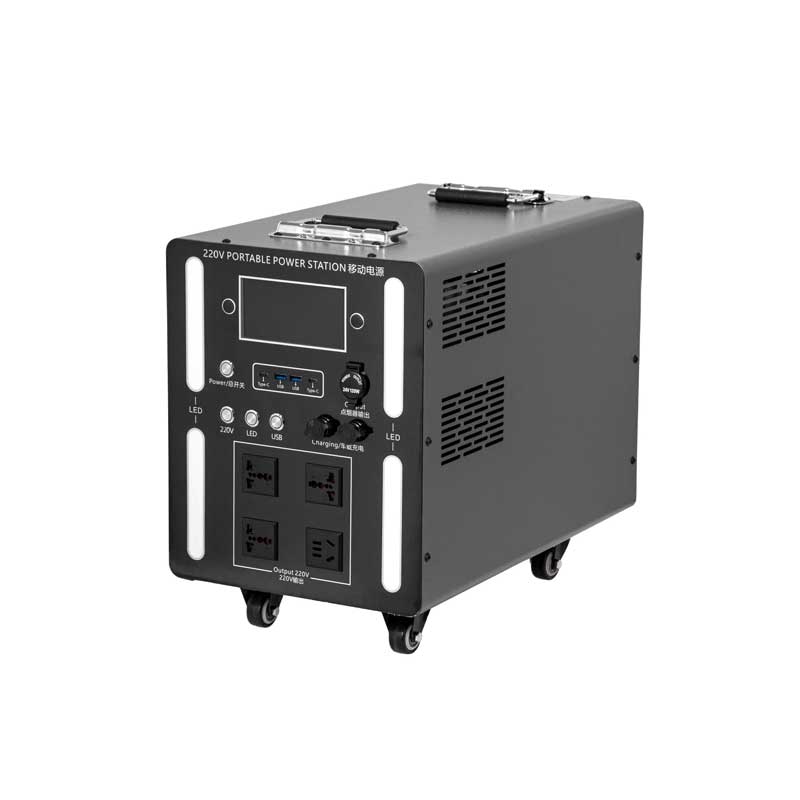
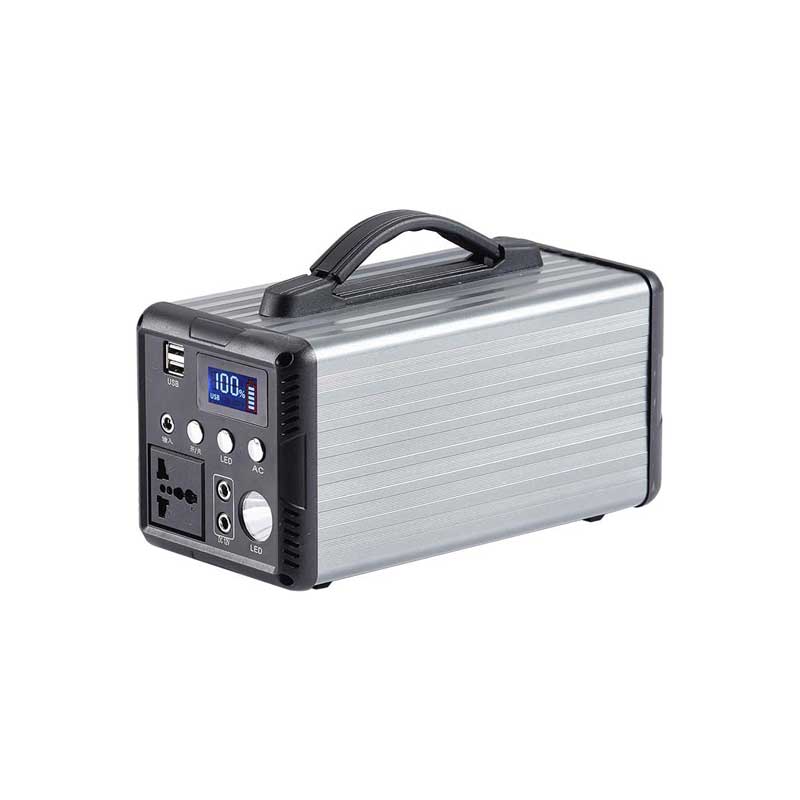
Battery-Powered portable power stations: These use lithium-ion or other batteries and are silent, clean, and easy to use but may have limited capacity.
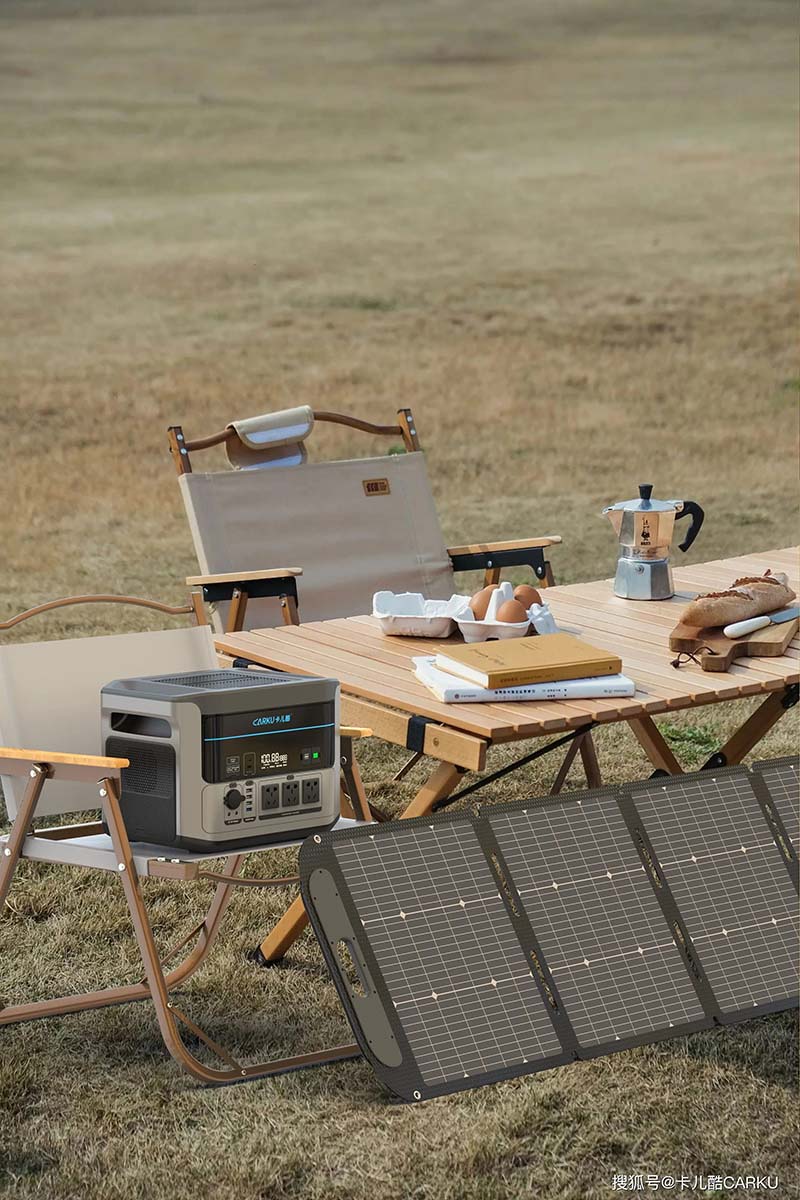
Solar-Powered Stations: Often combined with battery storage, these are eco-friendly and ideal for off-grid or emergency use but depend on sunlight availability.
Calculating the Required Power Station Capacity
To choose the right power station, calculate the total wattage needed. Add the refrigerator’s running watts plus the starting watts. For example, if your fridge runs at 200 watts and needs 800 watts to start, choose a power station that can handle at least 800 watts surge and 200 watts continuous output. It is wise to select a power station with a slightly higher capacity to avoid overload.
Battery Capacity and Runtime Considerations
Battery-powered stations have a limited runtime based on their battery capacity, measured in watt-hours (Wh). For example, a 500Wh power station providing 100 watts will run for approximately 5 hours (500Wh / 100W = 5 hours). If you want to run your refrigerator overnight or during a full day, select a power station with sufficient battery capacity or consider multiple units.
Using Solar Panels to Extend Runtime
If you opt for a battery-powered power station, pairing it with solar panels can help recharge the battery during the day, extending runtime. This setup is especially useful in remote areas or during extended power outages. Ensure the solar panel wattage matches the power station’s input capacity for optimal charging.
Safety and Maintenance Tips
When running a refrigerator from a power station, safety is paramount:
For gas generators, operate in well-ventilated areas to avoid carbon monoxide poisoning.
Avoid overloading the power station to prevent damage.
Regularly check and maintain the power station and generator according to manufacturer instructions.
Use surge protectors if necessary to protect appliances from power spikes.
Advantages of Using a Power Station for Refrigerators
Portability: Easy to move and set up anywhere.
Backup Power: Reliable during outages.
Clean Energy Options: Solar and battery stations reduce environmental impact.
Quiet Operation: Battery stations are silent compared to gas generators.
Limitations to Consider
Limited Runtime: Battery-powered stations may not last long without recharging.
Initial Cost: Quality power stations and solar panels can be expensive.
Fuel Dependency: Gas generators require fuel, which may not always be available.
Using a power station to run a refrigerator is a practical solution for maintaining food preservation during power outages or in off-grid locations. Understanding your refrigerator’s power needs, choosing the right type of power station, and considering runtime and safety will ensure a smooth and efficient operation. Whether you opt for a gas generator, battery-powered station, or solar-powered system, this approach provides flexibility and peace of mind when continuous refrigeration is necessary. Investing in a suitable power station setup can make a significant difference in emergency preparedness and everyday convenience.
Related Content
- Active Nuclear Power Stations in the UK A Comprehensive Overview
- New Nuclear Power Station in Somerset A Game-Changer for UK’s Energy Future
- Solar Powered Portable Power Stations The Future of On-the-Go Energy
- Disadvantages of Gas Fired Power Stations
- Pictures of a Gas Power Station An In-Depth Visual Exploration
- Power Station Diagram GCSE A Comprehensive Guide
- Fossibot F2400 Portable Power Station Manual A Comprehensive Guide
- Power Stations Portable Reviews A Comprehensive Guide
- Best Portable Power Station with Inverter Your Ultimate Guide
- EcoFlow Tech Delta 2 Power Station The Ultimate Portable Energy Solution