Power Station vs Inverter Generator Which One is Right for You?
In today’s world, having a reliable power source is essential, whether for outdoor adventures, emergency backup, or off-...
In today’s world, having a reliable power source is essential, whether for outdoor adventures, emergency backup, or off-grid living. Two popular options for portable power are power stations and inverter generators. Both have their unique features, advantages, and drawbacks. Understanding these differences can help you choose the best solution for your specific needs. This article will compare power stations and inverter generators across several key points to help you make an informed decision.
What is a Power Station?
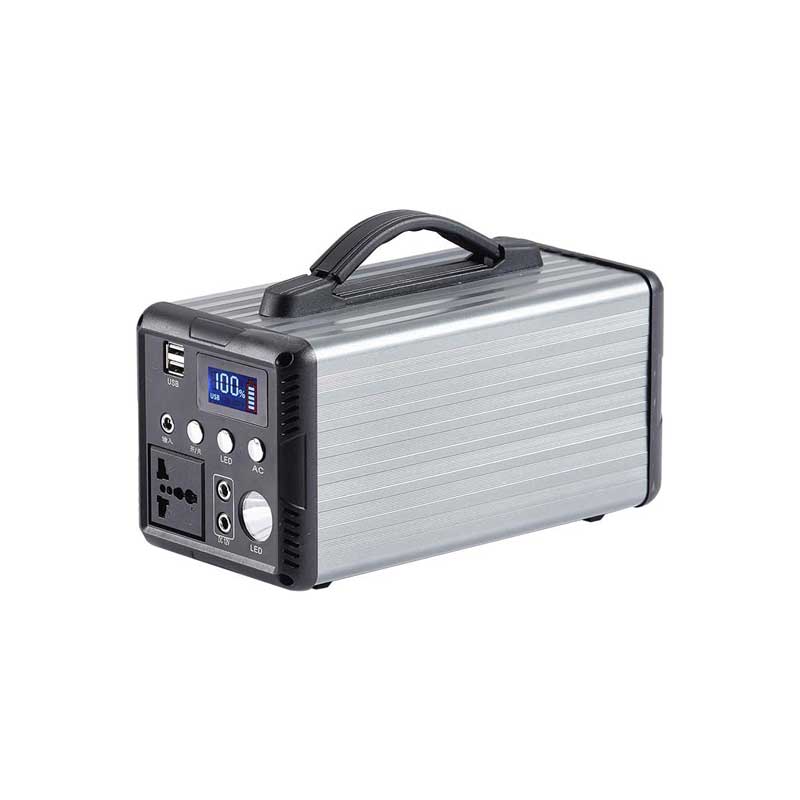
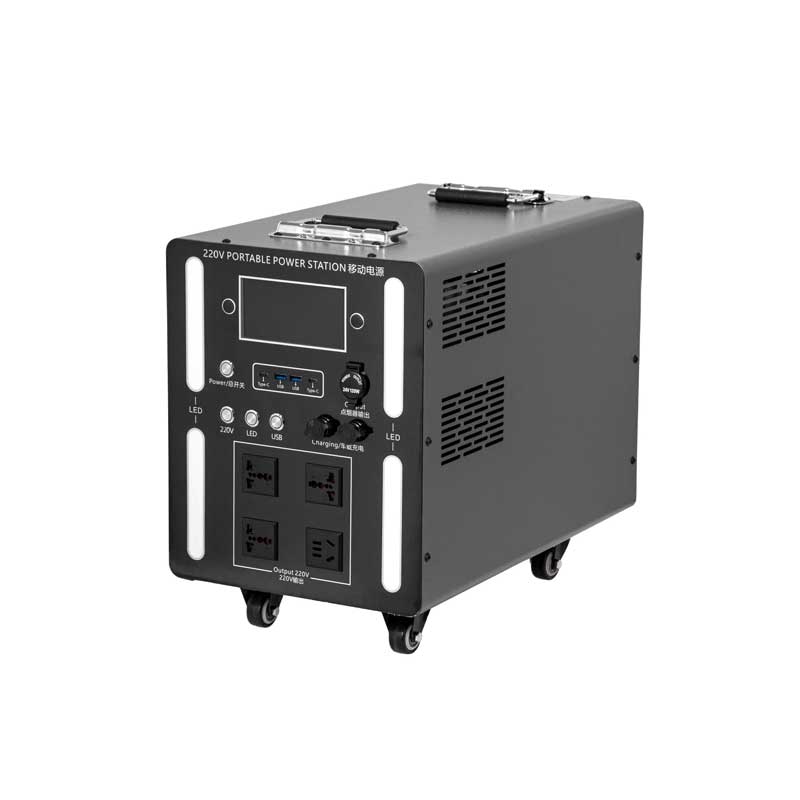
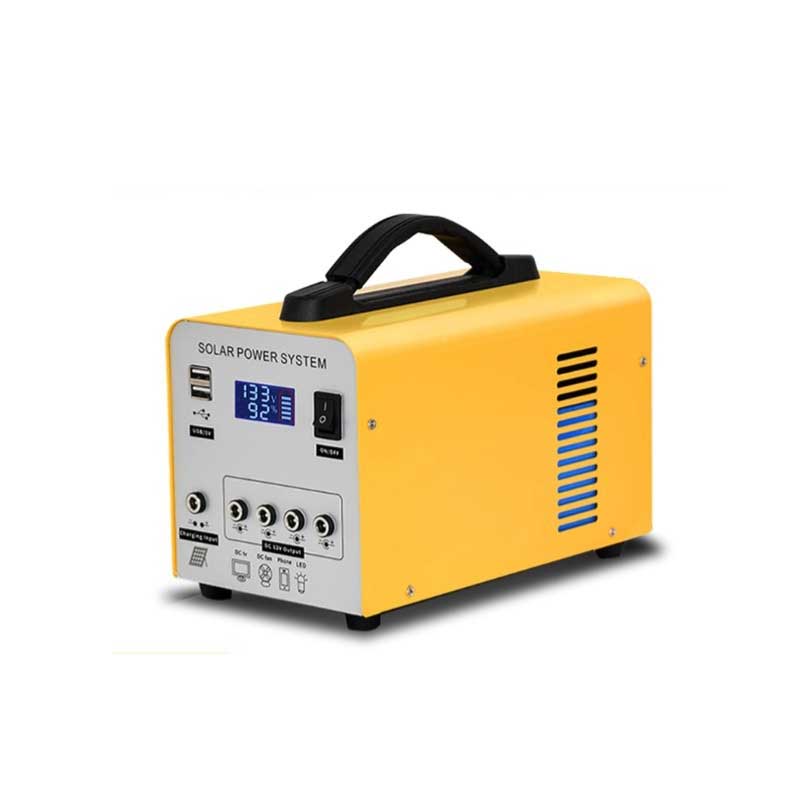
A power station, also known as a portable power bank or battery generator, is a rechargeable battery pack equipped with multiple outlets such as AC, USB, and DC ports. It stores electrical energy and delivers clean, quiet power without the need for fuel. Power stations are often used for charging electronics, running small appliances, and providing emergency power.
What is an Inverter Generator?
An inverter generator is a fuel-powered device that converts mechanical energy into electrical energy using an internal combustion engine combined with inverter technology. This technology produces stable, clean electricity suitable for sensitive electronics. Inverter generators are known for being quieter and more fuel-efficient compared to traditional generators.
Portability and Noise Levels
Power stations are typically compact, lightweight, and silent since they rely on battery power without moving parts or engines. This makes them ideal for indoor use, camping, or situations where noise is a concern.
In contrast, inverter generators are bulkier and produce some noise due to their gas-powered engines. However, they are quieter than conventional generators, making them suitable for outdoor activities and residential use where noise restrictions apply.
Power Output and Runtime
Inverter generators generally provide higher power output compared to power stations, making them capable of running larger appliances such as refrigerators, power tools, and air conditioners. They can run continuously as long as fuel is supplied.
Power stations have limited capacity based on their battery size. While they can power small devices and some appliances for a few hours, they require recharging once the battery is depleted. Their runtime depends on battery capacity and load.
Fuel and Maintenance
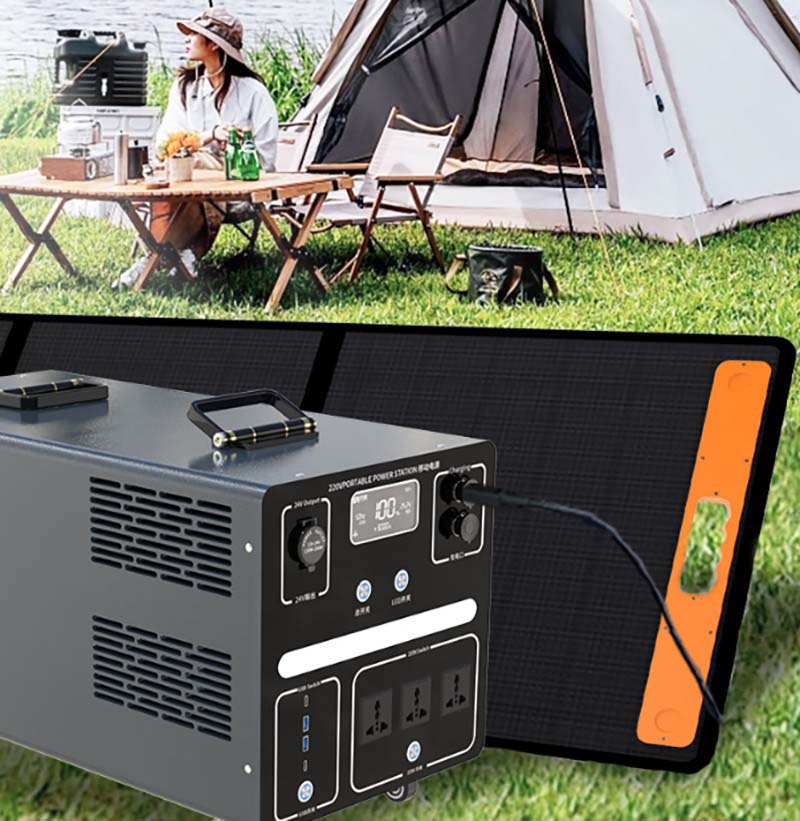
Power stations are environmentally friendly because they do not require fuel, produce no emissions, and need minimal maintenance. Recharging can be done via wall outlets, solar panels, or car chargers.
Inverter generators run on gasoline, propane, or diesel, requiring regular refueling and engine maintenance such as oil changes and filter replacements. They emit exhaust gases and are less eco-friendly.
Cost Considerations
Power stations often have a higher upfront cost due to their advanced battery technology and portability. However, they have lower operational costs since electricity or solar energy is cheaper than fuel.
Inverter generators may be less expensive initially but incur ongoing costs for fuel and maintenance over time.
Environmental Impact
Power stations are clean energy devices with zero emissions, making them suitable for environmentally conscious users.
Inverter generators, while cleaner than traditional generators, still produce emissions and contribute to noise pollution.
Ease of Use
Power stations are generally plug-and-play with no complicated setup. They are user-friendly, with digital displays showing battery status and output.
Inverter generators require fuel handling, startup procedures, and occasional maintenance, which may be less convenient for some users.
Applications
Power stations are perfect for charging phones, laptops, cameras, running small fans, lights, and other low-wattage devices. Ideal for camping, tailgating, or emergency home backup for short periods.
Inverter generators suit longer-term power needs, outdoor construction sites, RVs, and powering larger appliances during outages.
Choosing between a power station and an inverter generator depends largely on your power needs, portability preferences, budget, and environmental considerations. If you prioritize quiet operation, zero emissions, and portability for small devices, a power station is an excellent choice. However, if you require higher power output for longer durations and don’t mind fuel use and noise, an inverter generator is more suitable. Understanding these differences ensures you select the right portable power solution tailored to your lifestyle and requirements.
Related Content
- Portable Power Station Battery Operated The Ultimate Guide to On-the-Go Energy
- The Jackery Portable Power Station Your Ultimate Power Solution On-the-Go
- Nuclear Power Stations in Scotland An Overview and Key Insights
- Gas Power Stations in the UK An Overview and Key Insights
- 40000mAh Power Station with Temperature Control Protection The Ultimate Portable Energy Solution
- Battersea Power Station Original Construction A Historical Overview
- Best Portable Power Station Solar Powered Your Ultimate Guide
- Names of Power Stations in South Africa A Comprehensive Guide
- Anker Canada Power Station The Ultimate Portable Energy Solution
- Portable Power Station Near Me for Sale Your Ultimate Guide