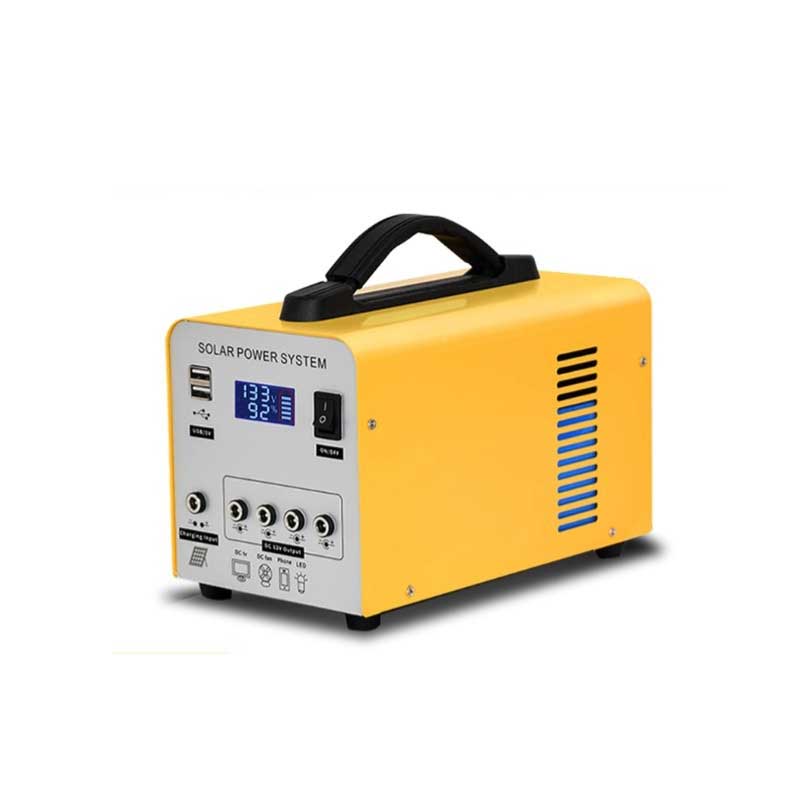
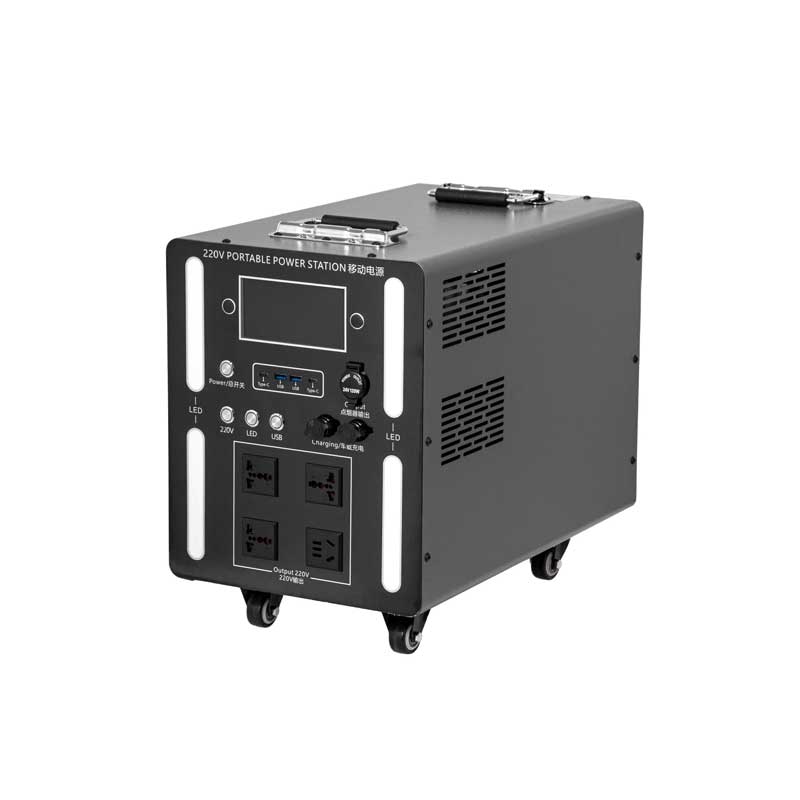
Super Large-Capacity Emergency Power Station Ensuring Uninterrupted Power in Critical Situations
In today’s fast-paced world, power outages can cause significant disruptions, affecting homes, businesses, hospitals, an...
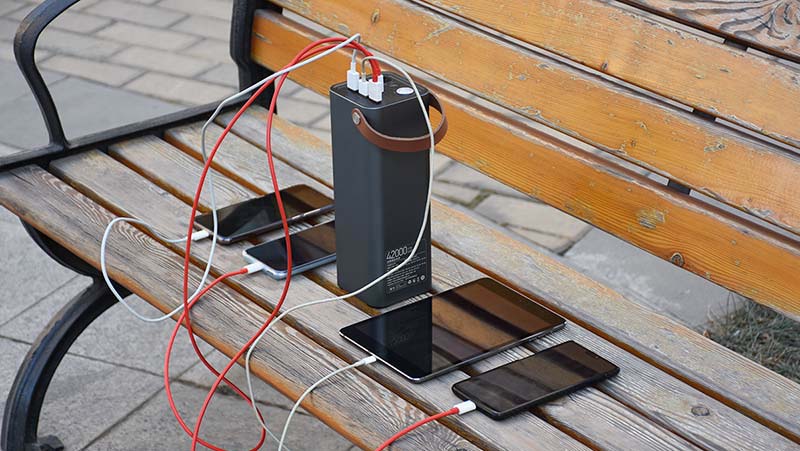
In today’s fast-paced world, power outages can cause significant disruptions, affecting homes, businesses, hospitals, and critical infrastructure. To mitigate these risks, super large-capacity emergency power stations have become essential. These power stations are designed to provide substantial backup power during emergencies, ensuring continuous electricity supply when the main grid fails. This article explores the key features, benefits, and applications of super large-capacity emergency power stations.
What is a Super Large-Capacity Emergency Power Station?
A super large-capacity emergency power station is a high-capacity energy storage and generation system that activates during power outages or emergencies. Unlike standard backup generators, these stations can support large-scale power needs, often supplying entire buildings, complexes, or even small communities. They use advanced technology such as large battery banks, diesel generators, or hybrid systems to deliver reliable power for extended periods.
High Power Output and Capacity
One of the defining features of these emergency power stations is their enormous power output capacity, often measured in megawatts (MW). This capacity allows them to handle the energy demands of critical facilities such as hospitals, data centers, manufacturing plants, and government buildings. The large capacity ensures that essential systems remain operational without interruption, even during prolonged blackouts.
Rapid Response and Automatic Activation
Super large-capacity emergency power stations are equipped with sophisticated sensors and control systems that enable rapid response when a power failure occurs. They automatically detect outages and switch on within seconds to provide uninterrupted power. This fast activation is crucial for preventing data loss, equipment damage, and safety hazards in emergency situations.
Versatile Energy Sources
These power stations often incorporate multiple energy sources to maximize reliability. Common configurations include diesel or natural gas generators combined with large battery storage systems. Some advanced models also integrate renewable energy sources like solar or wind power. This hybrid approach not only ensures continuous power supply but also enhances environmental sustainability.
Scalability and Modular Design
Super large-capacity emergency power stations are designed with scalability in mind. Modular components allow for easy expansion as energy demands grow. Businesses and municipalities can start with a base capacity and add additional modules to increase output over time. This flexibility makes them suitable for a wide range of applications and future-proof investments.
Enhanced Safety Features
Safety is a paramount concern in emergency power stations. These systems include multiple safety mechanisms such as automatic shutdowns, overload protection, fire suppression systems, and continuous monitoring. These features protect both the equipment and personnel, ensuring safe operation even under stress.
Cost-Effectiveness Over Time
While the initial investment in a super large-capacity emergency power station can be substantial, the long-term benefits often outweigh the costs. By preventing downtime, protecting sensitive equipment, and enabling critical operations to continue, these systems reduce financial losses caused by power interruptions. Additionally, hybrid systems with renewable energy integration can lower fuel costs and environmental impact.
Critical Applications and Use Cases
Super large-capacity emergency power stations are vital in many sectors. Hospitals rely on them to maintain life-saving equipment, data centers use them to prevent data corruption, and manufacturing facilities need them to avoid costly production halts. They are also essential for emergency response centers, airports, and military installations where uninterrupted power is critical.
Maintenance and Reliability
Maintaining these high-capacity systems requires regular inspection and testing to ensure readiness. Advanced diagnostic tools and remote monitoring allow operators to track system health and perform preventive maintenance. This proactive approach helps sustain reliability and extends the lifespan of the emergency power station.
Super large-capacity emergency power stations play a crucial role in modern infrastructure by providing reliable, high-capacity backup power during emergencies. Their rapid response, scalability, versatile energy sources, and robust safety features make them indispensable for critical applications. Investing in such systems not only safeguards operations but also enhances resilience against unforeseen power disruptions. As technology advances, these emergency power stations will continue to evolve, offering even greater efficiency and sustainability for the future.
Related Content
- Hinkley Point C New Nuclear Power Station A Game-Changer in UK’s Energy Landscape
- Best Power Station with Solar Panel The Ultimate Guide for 2024
- How Does a Solar Power Station Work?
- Best Portable Solar Panels for Power Stations A Comprehensive Guide
- Anker Solar Generator Power Station Reliable and Portable Solar Energy Solution
- The Ultimate Guide to 20000mAh Multi-USB Port Power Stations A Game-Changer for Your On-the-Go Devices
- Anker 521 Portable Power Station Review Reliable Power On the Go
- Battersea Power Station Projection A Spectacular Fusion of Art and Technology
- Power Station Portable Philippines Your Ultimate Guide to Portable Power Solutions
- 90000mAh Portable Outdoor Power Station Your Ultimate Power Solution on the Go