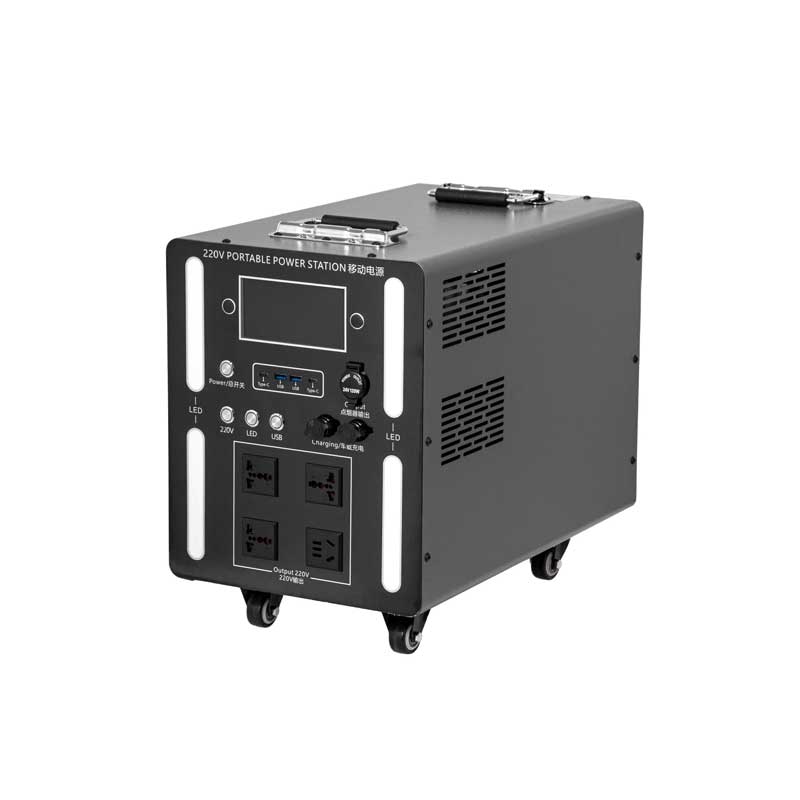
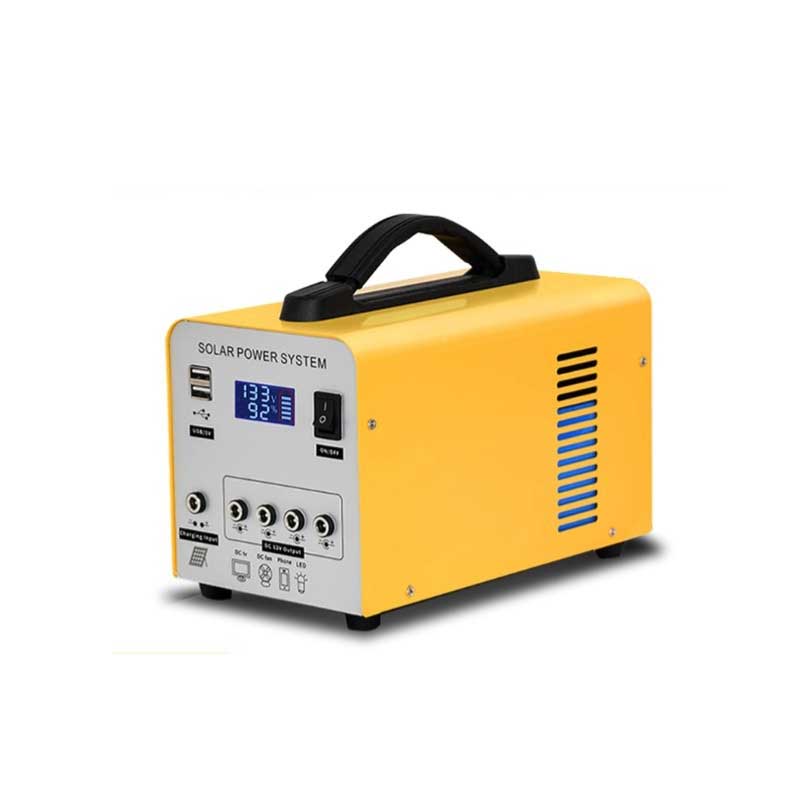
Uninterrupted Power Supply (UPS) Ensuring Continuous Power for Your Devices
In today’s technology-driven world, a reliable power source is essential for both businesses and homes. Uninterrupted Po...

In today’s technology-driven world, a reliable power source is essential for both businesses and homes. Uninterrupted power supply (UPS) systems play a crucial role in maintaining continuous power during outages, preventing data loss, and protecting sensitive equipment. This article explores the importance of UPS, its core features, and benefits, helping you understand why investing in a UPS system is a smart decision.
What is an Uninterrupted Power Supply (UPS)?
An Uninterrupted Power Supply (UPS) is a device that provides emergency power to a load when the main power source fails. Unlike a generator, a UPS instantly supplies power without any delay, ensuring that connected devices remain operational during short power interruptions or fluctuations. It acts as a bridge, offering backup power until the main electricity is restored or equipment can be safely shut down.
Types of UPS Systems
There are three primary types of UPS systems:
Offline (Standby) UPS: Provides basic protection by switching to battery power during outages. It is suitable for small electronics and home use.
Line-Interactive UPS: Offers voltage regulation and is ideal for small to medium-sized businesses.
Online UPS: Provides the highest level of protection by continuously supplying power from its inverter, making it perfect for critical applications like data centers and hospitals.
Key Benefits of Using a UPS
Power Continuity: UPS systems ensure that your devices keep running during power outages, preventing work interruptions.
Data Protection: Sudden power loss can cause data corruption or loss. UPS systems give you time to save important files and properly shut down your computer.
Equipment Protection: Voltage fluctuations can damage sensitive electronics. UPS units regulate voltage and provide clean, stable power.
Improved Productivity: By preventing downtime, UPS systems help maintain productivity and reduce financial losses.
Peace of Mind: Knowing your equipment is protected allows you to focus on your work without worrying about unexpected power issues.
How Does a UPS Work?
A UPS system monitors the incoming electrical power continuously. When it detects an interruption or voltage drop, it immediately switches to battery power. Depending on the type of UPS, this switch happens either instantly or with minimal delay. The internal battery then powers the connected devices until the main power returns or the batteries are depleted.
Choosing the Right UPS for Your Needs
Selecting the appropriate UPS depends on several factors:
Power Capacity: Calculate the total wattage of devices you want to protect.
Runtime: Determine how long you need backup power during outages.
Type of Devices: Sensitive equipment may require an online UPS for maximum protection.
Budget: Balance between cost and required features.
Additional Features: Look for surge protection, LCD displays, and management software.
Applications of UPS Systems
UPS systems are widely used across various sectors:
Home Offices: Protect computers, modems, and routers.
Businesses: Safeguard servers, POS systems, and communication equipment.
Medical Facilities: Ensure continuous operation of critical devices.
Industrial Settings: Maintain control systems and machinery.
Data Centers: Guarantee uninterrupted power for massive server arrays.
Maintenance Tips for UPS Systems
To maximize the lifespan and effectiveness of your UPS:
Regularly Test Batteries: Replace batteries every 3-5 years or as recommended.
Keep UPS Clean: Avoid dust accumulation which can cause overheating.
Monitor Performance: Use management software for real-time status updates.
Proper Ventilation: Ensure the UPS is in a well-ventilated area to prevent overheating.
An Uninterrupted Power Supply (UPS) is an indispensable device for anyone relying on electronic equipment. By providing immediate backup power and protecting against power surges and fluctuations, UPS systems help prevent data loss, equipment damage, and costly downtime. Whether for home, business, or industrial use, choosing the right UPS tailored to your needs ensures continuous power supply and peace of mind. Investing in a quality UPS system today is a proactive step towards safeguarding your valuable technology assets.
Related Content
- Overcharge Protection Power Adapter Ensuring Safety and Longevity for Your Devices
- External USB Power Button for Laptops Unleashing Convenience and Control
- DC 15V 2A Power Supply A Comprehensive Guide
- Uninterruptible Power Supply Cost A Comprehensive Guide
- Small Portable Power Supply The Ultimate Guide to Staying Powered On the Go
- 24 Volt DC Switchable Power Supply A Comprehensive Guide
- Power Bank for iPhone 12 The Ultimate Guide to Choosing the Best Portable Charger
- 650W PC Power Supply Gold The Ultimate Guide for Your Gaming and Productivity Needs
- Best Portable Power Bank UK Your Ultimate Guide to Staying Charged On the Go
- Mini Portable Charger Power Bank for iPhone The Ultimate On-the-Go Charging Solution