Uninterrupted Power Supply (UPS) Units Ensuring Continuous Power for Critical Needs
In today's technology-driven world, uninterrupted power supply (UPS) units have become essential for maintaining the con...

In today's technology-driven world, uninterrupted power supply (UPS) units have become essential for maintaining the continuous operation of electronic devices and critical systems. Whether in homes, offices, data centers, or industrial environments, UPS units provide a reliable backup power source during outages, voltage fluctuations, and other power disturbances. This article explores the importance of UPS units, their core features, types, and benefits, helping you understand why investing in a quality UPS can safeguard your equipment and data.
What is an Uninterrupted Power Supply (UPS)?
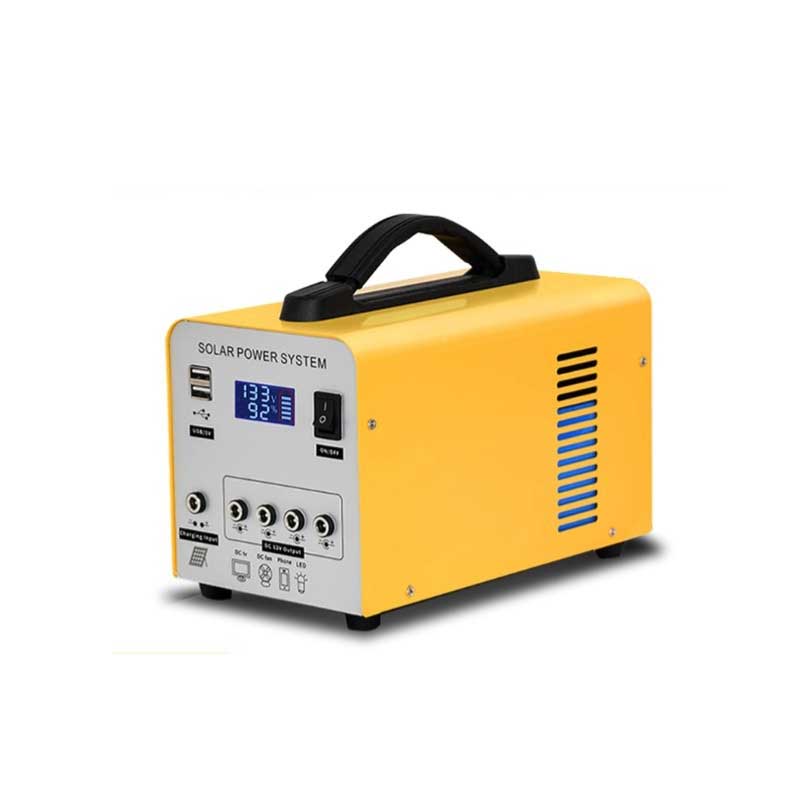
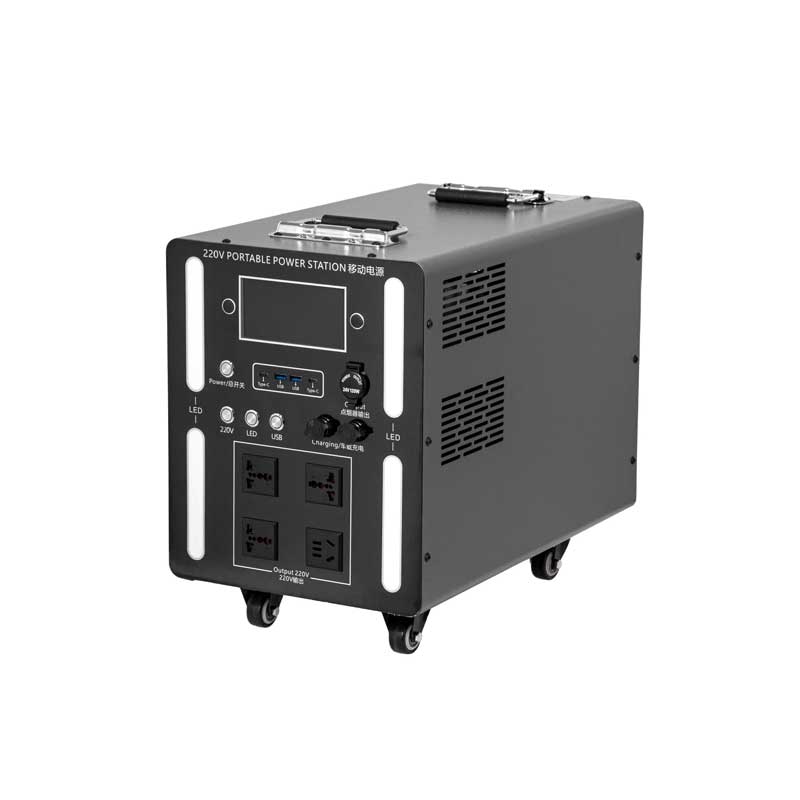
A UPS unit is an electrical device that provides emergency power to a load when the input power source fails. Unlike generators, which take time to start, UPS units supply instant power, ensuring no interruption to connected devices. They typically include batteries and power conditioning components, enabling them to deliver clean and stable power during outages or fluctuations.
Types of UPS Units
There are mainly three types of UPS systems, each suited for different applications:
Offline (Standby) UPS: This is the most basic type, providing power only when the main supply fails. It is ideal for home or small office use.
Line-Interactive UPS: This type regulates voltage fluctuations without switching to battery power, offering better protection for sensitive electronics.
Online (Double Conversion) UPS: This provides the highest level of protection by continuously converting power to DC and then back to AC, ensuring zero transfer time during outages. It is commonly used in data centers and critical industrial applications.
Key Benefits of Using UPS Units
UPS units offer several advantages that make them indispensable:
Power Continuity: They provide seamless power during outages, preventing data loss and hardware damage.
Voltage Regulation: UPS systems stabilize voltage levels, protecting devices from surges and dips.
Surge Protection: They shield equipment from electrical spikes caused by lightning or switching.
Battery Backup: In case of extended outages, batteries provide enough power to safely shut down systems.
Improved Equipment Lifespan: By delivering clean power, UPS units reduce wear and tear on sensitive electronics.
Critical Applications of UPS Units
UPS units are widely used across various sectors:
Data Centers: To maintain server uptime and prevent data corruption.
Healthcare: For powering life-support and diagnostic equipment.
Telecommunications: Ensuring uninterrupted communication services.
Industrial Automation: Protecting control systems and machinery.
Home Offices: Safeguarding personal computers and networking devices.
Factors to Consider When Choosing a UPS
Selecting the right UPS involves evaluating several factors:
Power Capacity: Measured in VA or Watts, it should match the total load of connected devices.
Battery Runtime: Determines how long the UPS can support the load during an outage.
Form Factor: Tower or rack-mounted, based on available space and installation needs.
Features: Such as LCD displays, software integration, and energy efficiency.
Brand Reliability and Support: Crucial for long-term maintenance and warranty services.
Maintenance and Best Practices
To ensure optimal performance, regular maintenance of UPS units is essential:
Battery Checks: Replace batteries periodically as per manufacturer guidelines.
Firmware Updates: Keep UPS firmware updated for improved functionality.
Load Testing: Periodically test the UPS under load conditions.
Environmental Control: Maintain proper temperature and humidity to prolong battery life.
Uninterrupted power supply (UPS) units are critical devices that protect electronic equipment from power disturbances and outages. By understanding the types, benefits, applications, and selection criteria, users can make informed decisions to secure their systems against unexpected power failures. Investing in a reliable UPS not only ensures continuous operation but also extends the lifespan of valuable equipment, making it a smart choice for both personal and professional settings. Whether for a small office or a large data center, UPS units remain a cornerstone of power reliability in today’s connected world.
Related Content
- Portable AC Power Bank The Ultimate Solution for On-the-Go Power Needs
- Power Bank eBay UK Your Ultimate Guide to Buying the Best Portable Chargers
- DIY Power Bank with 18650 Batteries A Comprehensive Guide
- EV Portable Power Bank The Ultimate Solution for On-the-Go Electric Vehicle Charging
- Dock Portable Power Bank Your Ultimate On-the-Go Charging Solution
- Power Cord for PC Power Supply An Essential Guide
- Power Adapter with Board-Mounted Terminal Wires A Comprehensive Guide
- Belkin BoostCharge Pro Power Bank 20K The Ultimate Portable Charging Solution
- The Ultimate Guide to HP Laptop Power Supplies Understanding and Optimizing Your Laptop's Performance
- Anker Power Bank How to Charge A Comprehensive Guide