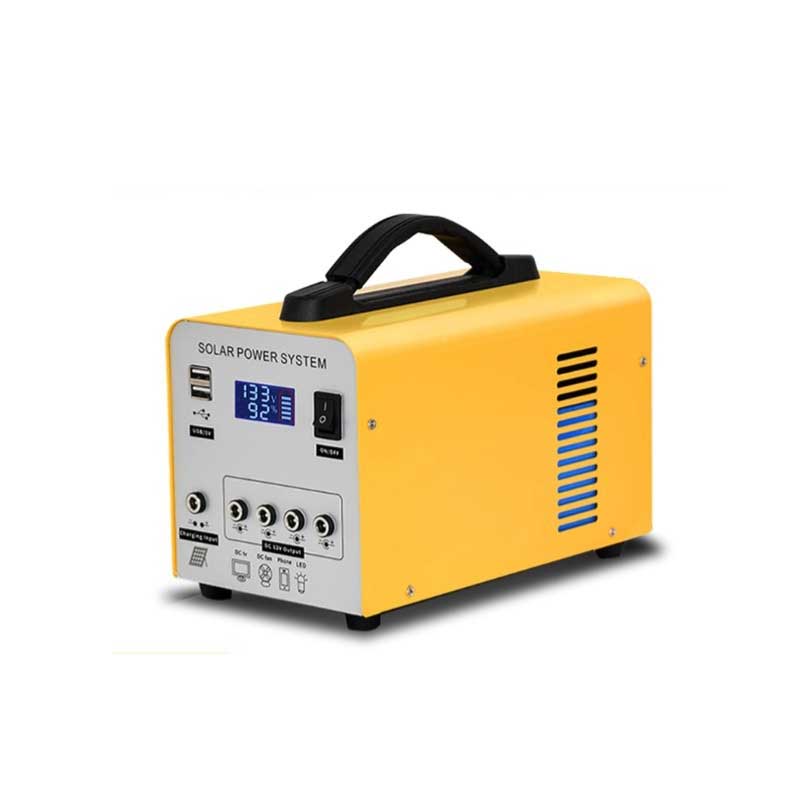
Uninterruptible Power Supply How It Works
In today’s technology-driven world, a continuous power supply is crucial for both businesses and individuals. Power outa...

In today’s technology-driven world, a continuous power supply is crucial for both businesses and individuals. Power outages or fluctuations can cause significant disruptions, data loss, and hardware damage. This is where an Uninterruptible Power Supply (UPS) comes into play. A UPS provides backup power and protects electronic devices from power disturbances. But how exactly does a UPS work? This article will explore the fundamentals of UPS technology, breaking down its key components and functions to help you understand its operation.
What is an Uninterruptible Power Supply?
An Uninterruptible Power Supply is a device that provides emergency power to a load when the input power source fails. It ensures that connected equipment continues to operate without interruption during power outages or voltage irregularities. UPS systems are commonly used in data centers, hospitals, offices, and homes to safeguard sensitive electronics like computers, servers, and communication devices.
Core Components of a UPS
A typical UPS system consists of several essential components:
Battery: Stores electrical energy to supply power when the main source fails.
Inverter: Converts DC power from the battery into AC power usable by devices.
Rectifier/Charger: Converts incoming AC power into DC to charge the battery.
Static Bypass Switch: Allows the UPS to transfer the load directly to the mains in case of UPS failure.
Control Circuit: Manages the operation and switching between power sources.
How a UPS Works During Normal Operation
Under normal conditions, the UPS receives power from the main electricity supply. The rectifier converts this AC power to DC to keep the battery charged. Simultaneously, the inverter converts the AC power to a stable output voltage that is delivered to the connected devices. This process ensures that the output power is clean and free from surges, spikes, or other disturbances.
Power Failure and the UPS Response
When a power outage or voltage drop occurs, the UPS instantly switches to battery power without any interruption in the output power. The inverter converts the DC power stored in the battery back to AC power, maintaining a continuous supply to the connected devices. This seamless transition protects sensitive equipment from shutting down unexpectedly, preventing data loss and hardware damage.
Types of UPS Systems and Their Working Mechanisms
There are three main types of UPS systems, each with a different working principle:
Offline/Standby UPS: This type provides basic protection by switching to battery power only when a power failure is detected. It is suitable for home and small office use.
Line-Interactive UPS: It offers better voltage regulation by adjusting voltage fluctuations without switching to battery power, extending battery life.
Online/Double-Conversion UPS: This UPS continuously converts incoming AC power to DC and then back to AC, providing the cleanest and most reliable power output. It is ideal for critical applications requiring zero transfer time.
Battery Management and Runtime
The battery is a critical part of the UPS, as it determines how long the UPS can supply power during an outage. Modern UPS systems include battery management features that monitor battery health, charge levels, and temperature to maximize battery life and performance. The runtime depends on the battery capacity and the power load connected to the UPS.
Protection Features of a UPS
Besides providing backup power, a UPS protects electronic devices from various power issues, including:
Power surges and spikes: Sudden increases in voltage that can damage electronics.
Voltage sags and brownouts: Temporary drops in voltage that can cause malfunction.
Frequency variations: Changes in power frequency that can affect sensitive equipment.
Harmonic distortion: Electrical noise that interferes with device performance.
Maintenance and Testing of UPS Systems
To ensure reliable operation, regular maintenance and testing of UPS systems are necessary. This includes checking battery health, cleaning internal components, and testing the transfer switch and alarms. Many UPS units also come with software tools for remote monitoring and diagnostics.
An Uninterruptible Power Supply is an essential device that ensures continuous and clean power delivery to critical equipment during power disruptions. By understanding how a UPS works—from its core components and operation to its different types and protective features—you can better appreciate its role in safeguarding your electronics. Investing in a reliable UPS system can prevent costly downtime, data loss, and hardware damage, making it a smart choice for both personal and professional settings.
Related Content
- Power Supply Fan Control A Comprehensive Guide
- Best Portable Power Banks for Laptops A Comprehensive Guide
- Power Supply for Laptop An In-Depth Guide
- The Importance of a Battery Backup Power Supply for Your Computer
- Internal Hard Drive Power Supply A Comprehensive Guide
- Outdoor Power Supply Box The Ultimate Guide to Reliable Outdoor Electricity
- Power Supply Module Present An Essential Component in Modern Electronics
- 220V Power Supply Near Me Buy A Comprehensive Guide
- Power Bank for Apple iPhone The Ultimate Guide to Staying Charged On-the-Go
- 12 Volt DC Power Supply A Comprehensive Guide