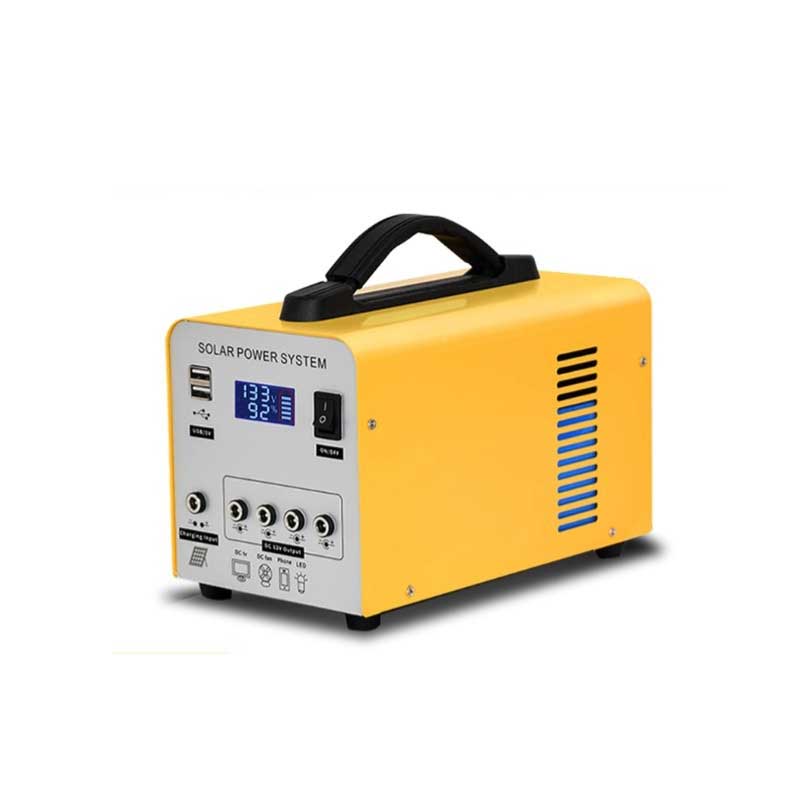
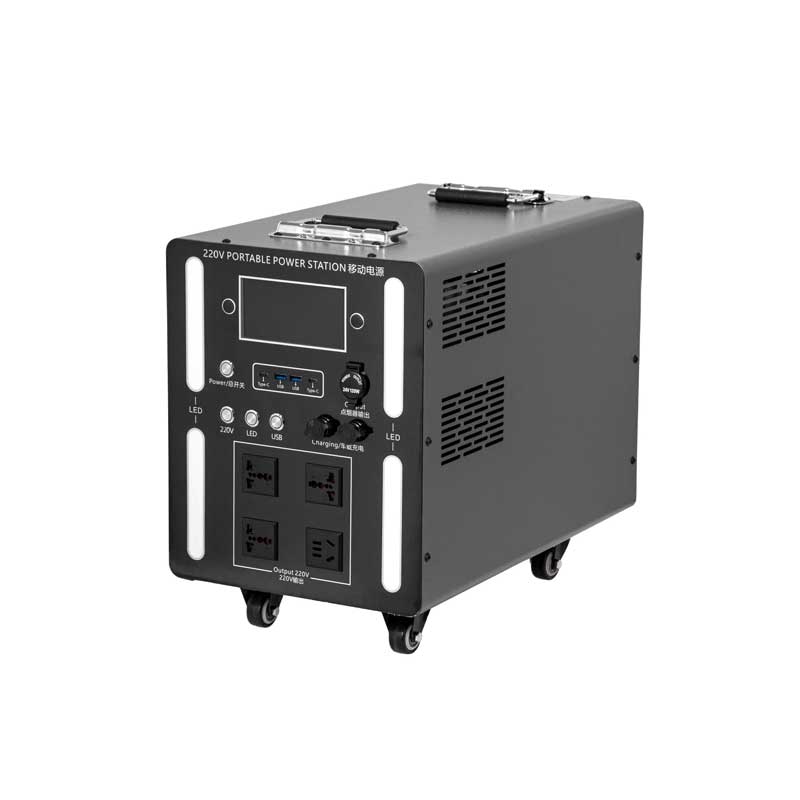
UPS for Power Supply Ensuring Uninterrupted Power for Your Devices
In today’s technology-driven world, a reliable power supply is crucial for both homes and businesses. Power outages, flu...
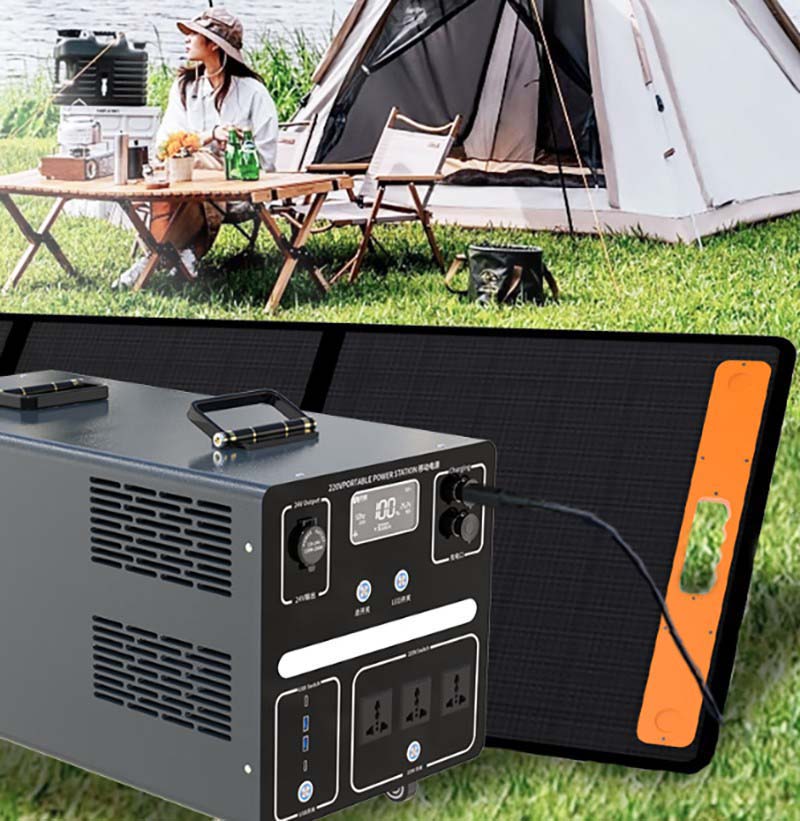
In today’s technology-driven world, a reliable power supply is crucial for both homes and businesses. Power outages, fluctuations, and surges can cause data loss, hardware damage, and operational downtime. This is where an Uninterruptible Power Supply (UPS) becomes essential. A UPS provides backup power and protection, ensuring that your devices remain operational during power interruptions. In this article, we will explore the key aspects of UPS for power supply, highlighting its importance, types, benefits, and how to choose the right one.
What is a UPS?
A UPS (Uninterruptible Power Supply) is an electrical device that provides emergency power to a load when the input power source fails. It acts as a bridge between your devices and the main power supply, delivering instant backup power from its batteries when there is a power outage. This prevents sudden shutdowns and allows you to save work or safely power down equipment.
Types of UPS Systems
There are three main types of UPS systems, each suited for different needs:
Standby UPS: Also known as offline UPS, it provides basic power backup and surge protection. It switches to battery power only when a power failure is detected.
Line-Interactive UPS: This type regulates voltage fluctuations and provides battery backup during outages, making it ideal for environments with frequent voltage dips.
Online UPS: Offers the highest level of protection by continuously converting incoming AC power to DC and then back to AC, ensuring clean and consistent power without any transfer time.
Key Benefits of Using a UPS
Power Continuity: Keeps your devices running during power outages, preventing data loss and downtime.
Surge Protection: Shields your equipment from voltage spikes and electrical surges that can damage sensitive electronics.
Voltage Regulation: Stabilizes power fluctuations, ensuring your devices receive consistent voltage.
Data Protection: Provides enough time to save important files and safely shut down computers and servers.
Equipment Longevity: Reduces wear and tear on electronics by preventing abrupt power changes.
Common Applications of UPS
UPS systems are widely used across various sectors:
Home Offices: Protect laptops, desktops, and networking devices.
Businesses: Ensure servers, point-of-sale systems, and communication equipment remain operational.
Healthcare: Maintain critical medical devices during power interruptions.
Data Centers: Provide continuous power to servers and storage systems.
Industrial Facilities: Support control systems and machinery to avoid costly downtime.
How to Choose the Right UPS for Your Power Supply Needs
Selecting the appropriate UPS depends on several factors:
Power Capacity: Calculate the total wattage of devices you want to protect.
Backup Time: Determine how long you need the UPS to provide power during an outage.
Type of UPS: Choose between standby, line-interactive, or online based on the sensitivity of your equipment.
Form Factor: Consider tower, rack-mounted, or compact designs to fit your space.
Additional Features: Look for LCD displays, alarms, and software for monitoring and management.
Maintenance Tips for UPS Systems
To ensure optimal performance, regular maintenance is crucial:
Battery Testing: Periodically check battery health and replace when necessary.
Clean Environment: Keep the UPS in a dust-free, cool area.
Firmware Updates: Update UPS software to improve functionality.
Load Testing: Test the UPS under load conditions to verify backup capability.
A UPS for power supply is an indispensable tool that safeguards your electronic devices from power disruptions. Whether for home, office, or industrial use, investing in a suitable UPS system ensures uninterrupted operations, protects valuable hardware, and prevents data loss. By understanding the types, benefits, and selection criteria of UPS systems, you can make an informed decision that best fits your power protection needs. Don’t wait for the next outage to realize the importance of a reliable UPS—secure your power supply today.
Related Content
- USB 5V Power Supply The Ultimate Guide
- UPS Uninterruptible Power Supply CZ Ensuring Reliable Power Solutions
- Large Portable Power Banks The Ultimate Guide to Staying Powered On the Go
- Arduino Uno R4 Power Supply A Comprehensive Guide
- What Is the Best Power Bank for iPhone 13?
- APC Universal Power Supply Reliable Power Solutions for Your Devices
- UPS Uninterruptible Power Supply Adalah Panduan Lengkap untuk Memahami dan Menggunakan UPS
- Class 2 Power Supply for LED Lighting A Comprehensive Guide
- Vehicle Jump Starter and Power Bank The Ultimate Portable Power Solution
- Sale Prices on Uninterruptible Power Supplies A Comprehensive Guide