What Is a Home Power Station? A Comprehensive Guide
In today’s world, where energy efficiency and sustainability are becoming increasingly important, home power stations ha...
In today’s world, where energy efficiency and sustainability are becoming increasingly important, home power stations have emerged as a popular solution for ensuring reliable and clean energy at home. But what exactly is a home power station? This article will provide an overview of home power stations, explain their core features, benefits, and how they work, helping you understand why they might be a valuable addition to your household.
What Is a Home Power Station?
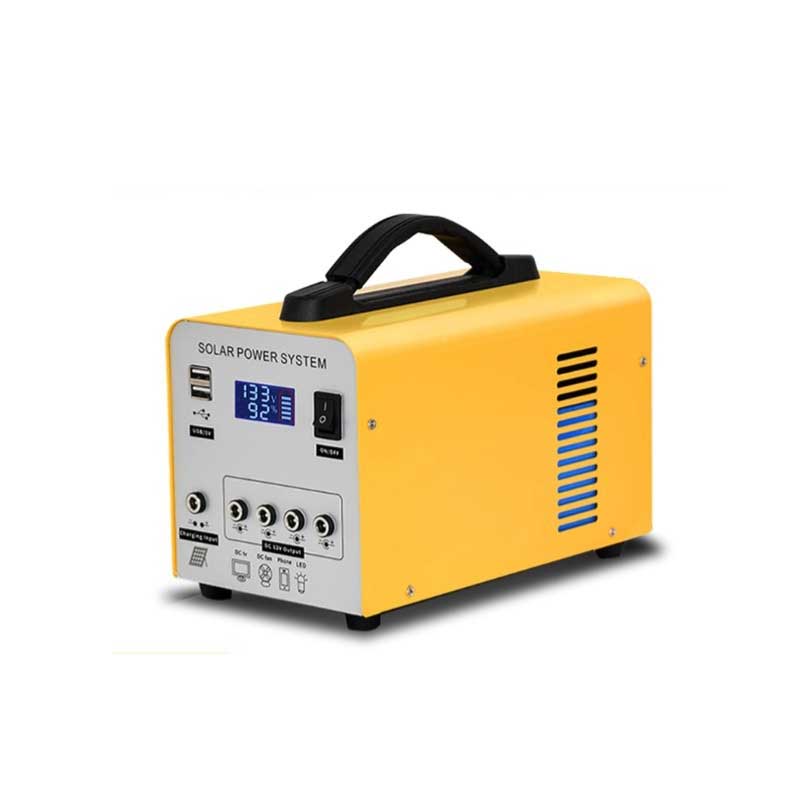
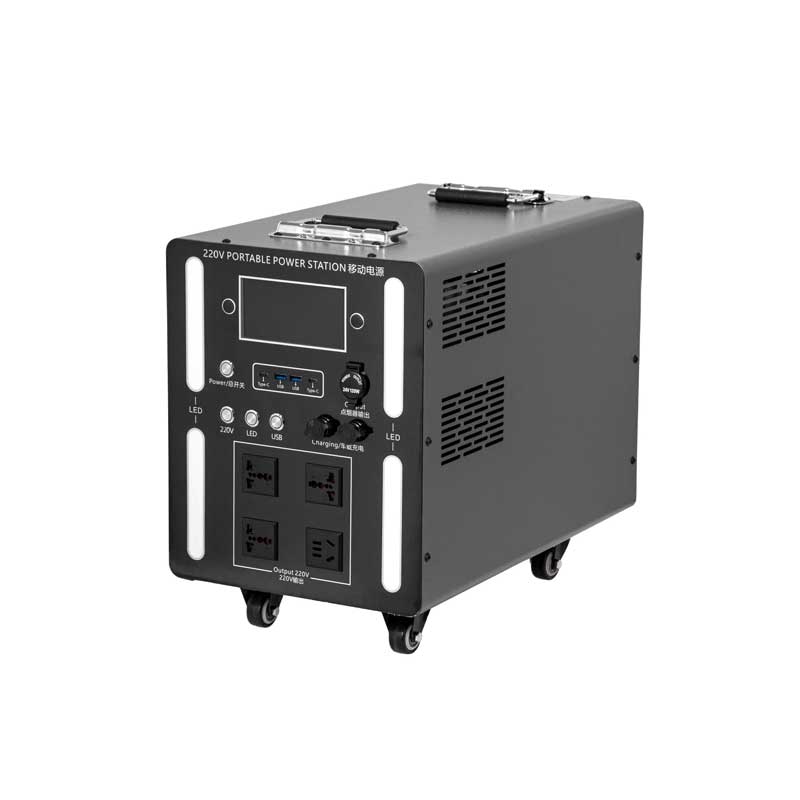
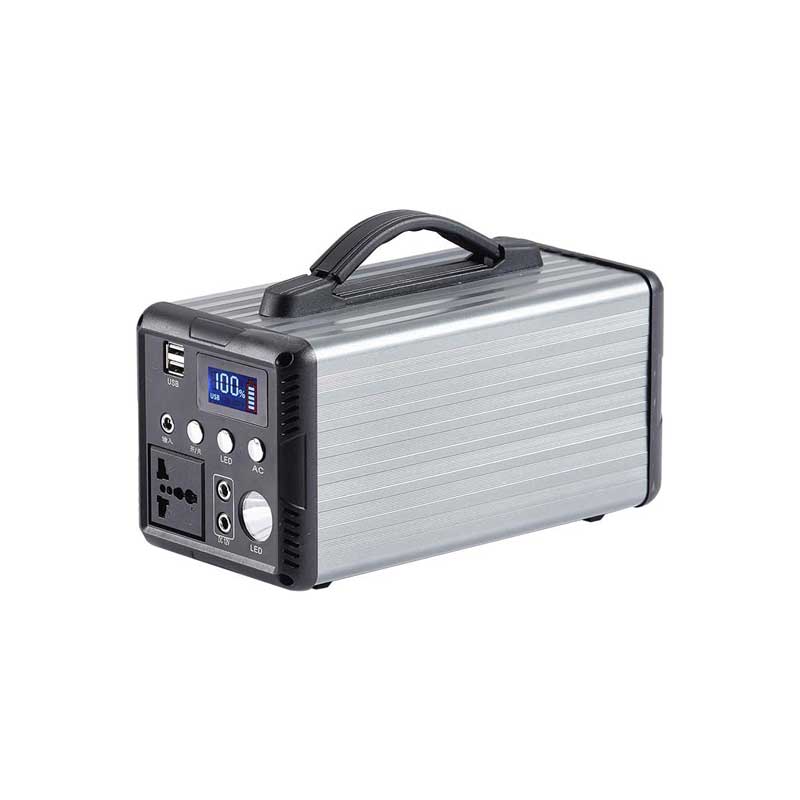
A home power station, also known as a portable power station or an energy storage system, is a compact device that stores electrical energy for later use. It acts as a backup power source or a primary energy provider in off-grid situations. Unlike traditional generators that rely on fuel, many home power stations use rechargeable batteries and can be charged through solar panels, wall outlets, or car chargers. They are designed to power household appliances, electronic devices, and essential equipment during power outages or outdoor activities.
How Does a Home Power Station Work?
Home power stations store electrical energy in built-in batteries, typically lithium-ion or lithium iron phosphate batteries, known for their long life and safety. When electricity is needed, the station converts the stored DC power into AC power through an inverter, making it compatible with household appliances. Users can plug their devices directly into the power station’s outlets. Charging methods vary but often include solar input, AC wall charging, and car charging, offering flexibility and convenience.
Key Components of a Home Power Station
Battery Pack: The core of the power station, storing the electrical energy.
Inverter: Converts stored DC power into usable AC power.
Charge Controller: Manages input from solar panels or other sources to prevent overcharging.
Output Ports: Includes AC outlets, USB ports, and sometimes DC outputs for various devices.
Display Panel: Shows battery level, input/output status, and other important information.
Benefits of Using a Home Power Station
emergency power supply: Provides reliable electricity during blackouts, ensuring essential appliances stay operational.
Eco-Friendly: When charged with solar energy, it reduces dependence on fossil fuels and lowers carbon footprint.
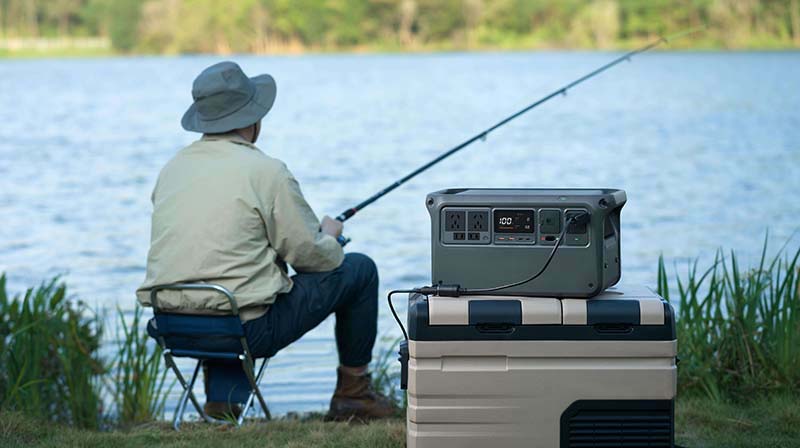
Portability: Compact and lightweight models make it easy to carry for outdoor activities like camping, fishing, or road trips.
Quiet Operation: Unlike gas generators, home power stations operate silently, making them suitable for indoor use.
Cost-Effective: Saves money in the long run by reducing reliance on grid electricity and fuel.
Common Uses of Home Power Stations
Backup Power for Home: Powering refrigerators, lights, medical devices, and communication tools during outages.
Outdoor Adventures: Charging phones, laptops, portable fridges, and lights while camping or traveling.
Remote Work Sites: Providing electricity for tools and equipment in locations without grid access.
Renewable Energy Storage: Storing solar energy generated during the day for use at night or cloudy days.
Factors to Consider When Choosing a Home Power Station
Capacity: Measured in watt-hours (Wh), indicating how much energy the station can store.
Output Power: Determines the maximum wattage the station can supply at once.
Port Types and Number: Ensures compatibility with your devices.
Recharge Options: Availability of solar charging or fast AC charging.
Size and Weight: Important for portability.
Safety Features: Overload, short circuit, and temperature protection.
How to Maintain a Home Power Station
Proper maintenance extends the life and efficiency of your home power station. Keep it in a cool, dry place, avoid overcharging or deep discharging the battery, and periodically check for firmware updates if available. Regularly clean the ports and ensure solar panels (if used) are free from dust and debris.
A home power station is a versatile and valuable device that provides reliable, clean, and portable energy for a variety of needs. Whether you’re preparing for emergencies, reducing your environmental impact, or seeking convenience for outdoor activities, understanding what a home power station is and how it works can help you make an informed decision. By considering key features like capacity, output, and charging methods, you can select the right model to suit your lifestyle and energy needs. Investing in a home power station is not only a step towards energy independence but also a smart way to embrace sustainable living.
Related Content
- Battersea Power Station Inside An Iconic Landmark Transformed
- Energy Nuclear Power Station A Comprehensive Overview
- Where Is My Nearest Power Station? A Comprehensive Guide
- Jackery Portable Power Station How to Charge A Complete Guide
- Battersea Power Station Restaurant A Unique Dining Experience in London
- Multi-USB Port Power Station with Explosion-Proof Valve A Game-Changer for Your Digital Devices
- Hotel Near Battersea Power Station Your Ultimate Guide to Comfortable Stays
- India's First Atomic Power Station A Milestone in Nuclear Energy
- Portable Power Station for Car Camping Your Ultimate Guide
- Power Station with Solar Panel Included A Comprehensive Guide