What Size Power Station Do I Need? A Comprehensive Guide
In today’s world, portable power stations have become essential for outdoor enthusiasts, emergency preparedness, and eve...
In today’s world, portable power stations have become essential for outdoor enthusiasts, emergency preparedness, and even everyday use. However, one common question many face is: “What size power station do I need?” Choosing the right size power station ensures you have enough power to meet your needs without overspending or carrying unnecessary weight. This article will guide you through the key factors to consider when selecting the perfect power station size for your requirements.
Understand Your Power Needs
The first step in determining the size of the power station is to understand your power consumption. List out all the devices you plan to power, such as smartphones, laptops, lights, small appliances, or even larger equipment like refrigerators or power tools. Check the wattage (W) of each device, which is usually found on the device label or in the manual. This will help you estimate your total power requirement.
Calculate Total Watt-Hours (Wh) Required
Power stations are rated in watt-hours (Wh), which indicates the total energy they can store. To calculate your total watt-hour needs, multiply the wattage of each device by the number of hours you expect to use it. For example, if a laptop uses 50W and you plan to use it for 4 hours, that’s 200Wh. Add the watt-hours of all devices to get your total daily energy consumption. This number will guide you in selecting a power station with sufficient capacity.
Consider Peak Power or Surge Wattage
Some devices require a surge of power when starting up, especially appliances with motors or compressors, like refrigerators or power tools. This surge wattage can be significantly higher than the running wattage. When choosing a power station, ensure it can handle the peak wattage of your devices to avoid overload or shutdowns.
Evaluate Portability and Weight
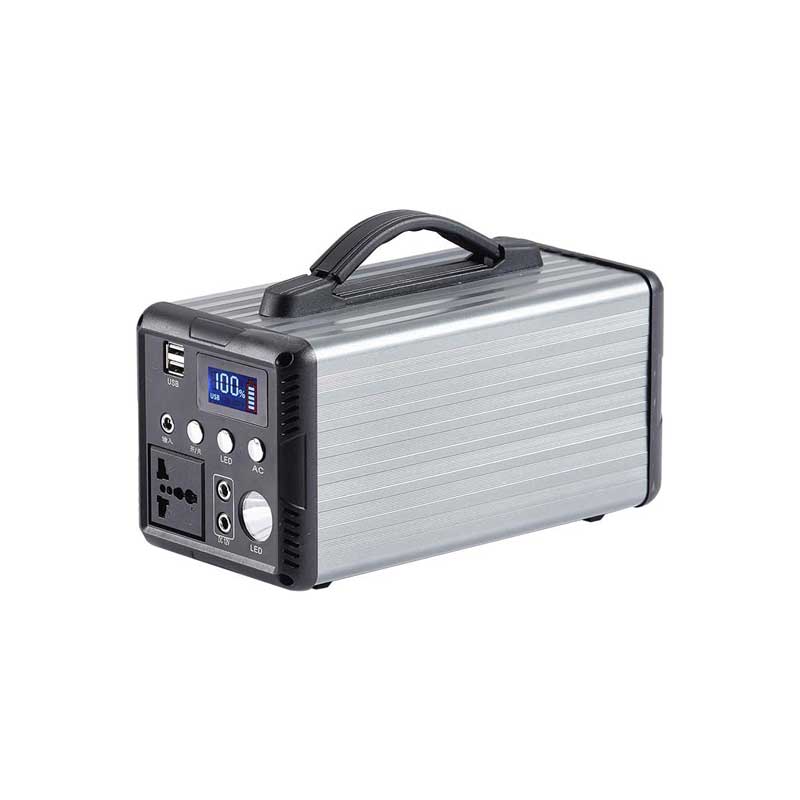
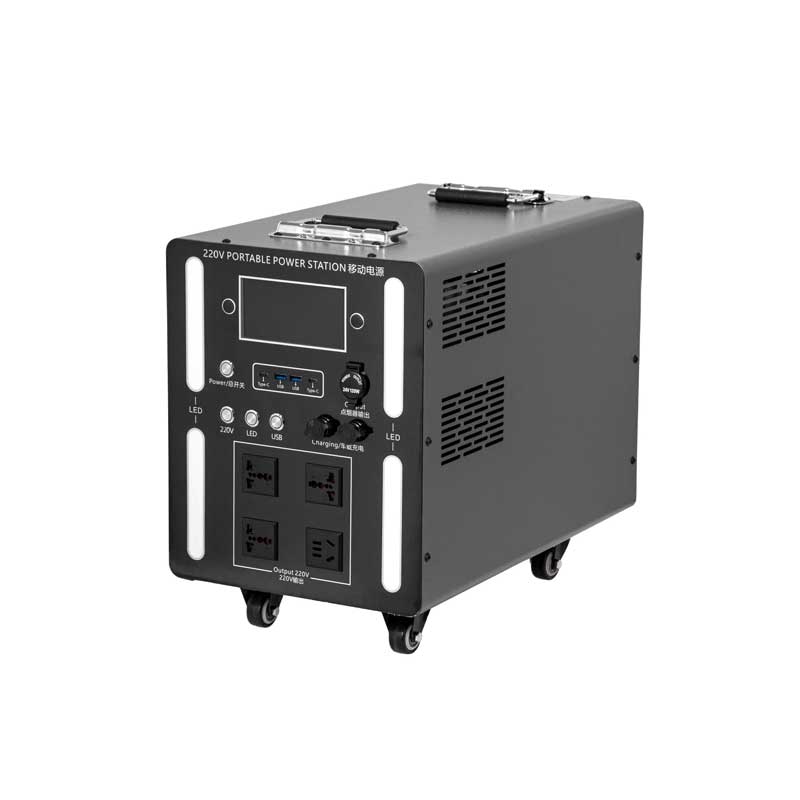
The size of the power station directly affects its weight and portability. Larger capacity stations tend to be heavier and bulkier. If you need a power station for camping, hiking, or travel, consider the trade-off between capacity and portability. Smaller units are easier to carry but may not meet high power demands, while larger units provide more power but can be cumbersome.
Battery Type and Lifespan
Most power stations use lithium-ion or lithium iron phosphate (LiFePO4) batteries. LiFePO4 batteries are heavier but offer longer lifespans and better safety. The battery type affects the size, weight, and durability of the power station. Choose a size that fits your usage frequency and desired lifespan.
Charging Options and Time
Consider how you will recharge the power station. Some models support solar charging, car charging, and wall outlet charging. Larger capacity stations take longer to recharge but provide more power. If you plan to use solar panels, ensure your power station size matches your solar input for efficient charging.
Number and Type of Output Ports
Think about how many devices you want to charge simultaneously and their connection types (USB, AC outlets, 12V DC). Larger power stations typically offer more ports and varied options. This can influence your choice if you need to power multiple devices at once.
Budget Considerations
Power stations come in a wide price range depending on capacity, features, and brand. Larger capacity units cost more upfront but may save money in the long run by reducing the need for multiple smaller units. Balance your budget with your power needs to find the best value.
Future Expansion and Versatility
If you anticipate increasing your power needs, consider a power station that supports battery expansion or modular add-ons. This allows you to scale your power capacity without replacing the entire unit.
Safety Features and Certifications
Ensure the power station has built-in safety features like overcharge protection, short circuit protection, and temperature control. Certifications from recognized bodies (e.g., UL, CE) also indicate reliability and safety, which are especially important for larger units.
Choosing the right size power station depends on a clear understanding of your power requirements, device wattage, usage duration, and portability needs. By calculating your total watt-hours, considering peak power demands, and balancing factors like size, weight, battery type, and budget, you can select a power station that reliably meets your energy needs without unnecessary expense or bulk. Whether for camping, emergency backup, or daily convenience, the right power station size ensures you stay powered up wherever life takes you.
Related Content
- Portable Power Station for Camping Reviews Your Ultimate Guide
- How Many Power Stations Are There in India? A Comprehensive Overview
- How Many Nuclear Power Stations Are in the UK?
- Jackery Power Station 2000 The Ultimate Portable Power Solution
- Portable Power Station 300W Your Ultimate Guide to Reliable Power on the Go
- Bluetti AC180P Power Station A Comprehensive Review and Guide
- Mpumalanga Eskom Power Stations A Comprehensive Overview
- Best Backup Power Station Your Ultimate Guide to Reliable Energy
- The Power Station “Some Like It Hot” A Deep Dive into the Iconic Track
- The Ultimate Guide to Outdoor Multi-USB Port Charging Power Stations