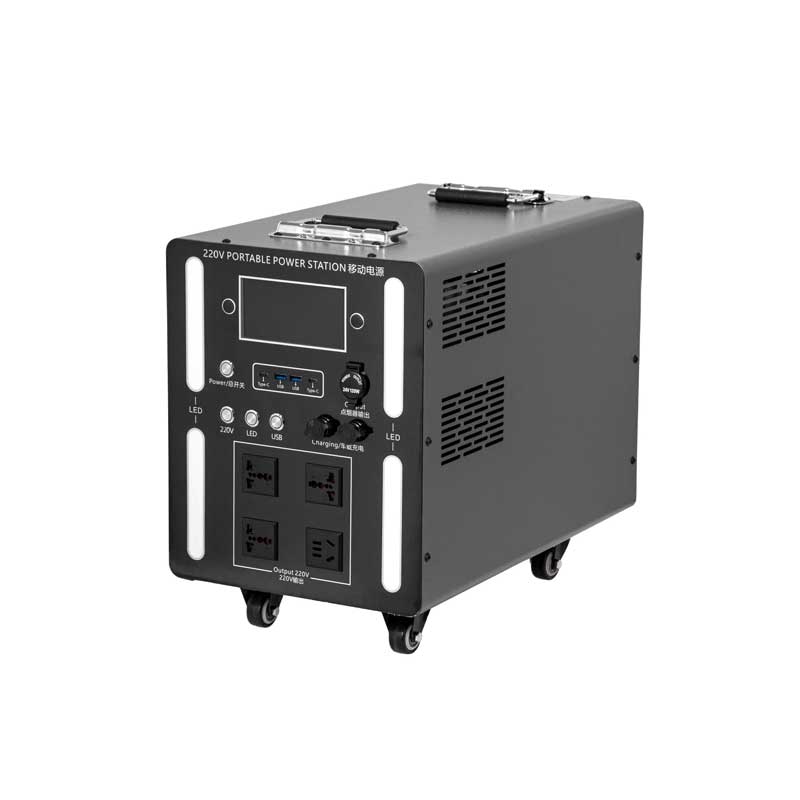
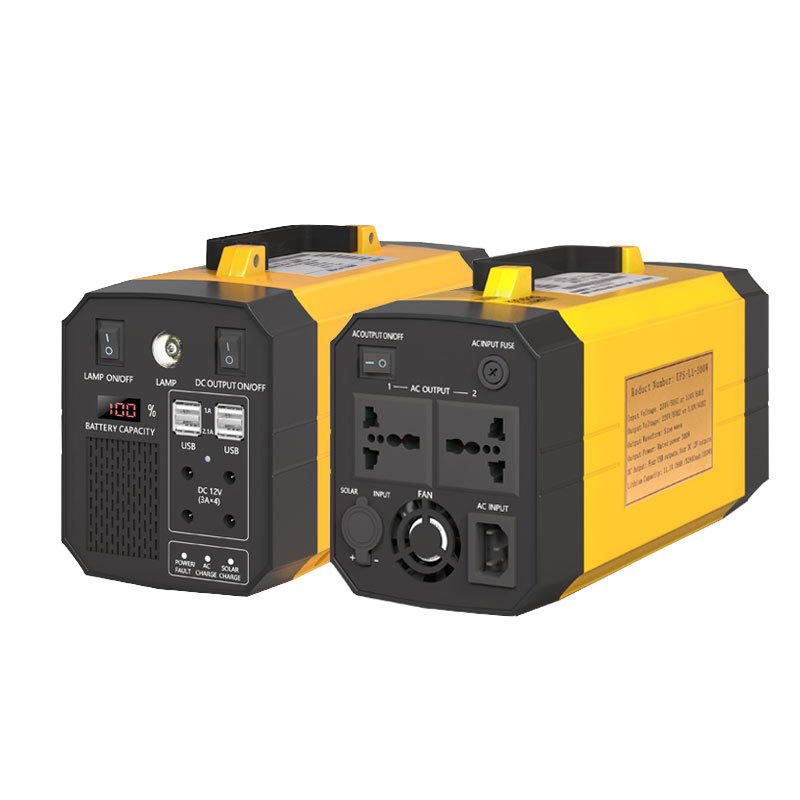
Uninterrupted Power Supply (UPS) Price A Comprehensive Guide
In today's technology-driven world, maintaining a continuous power supply is crucial for both homes and businesses. An U...
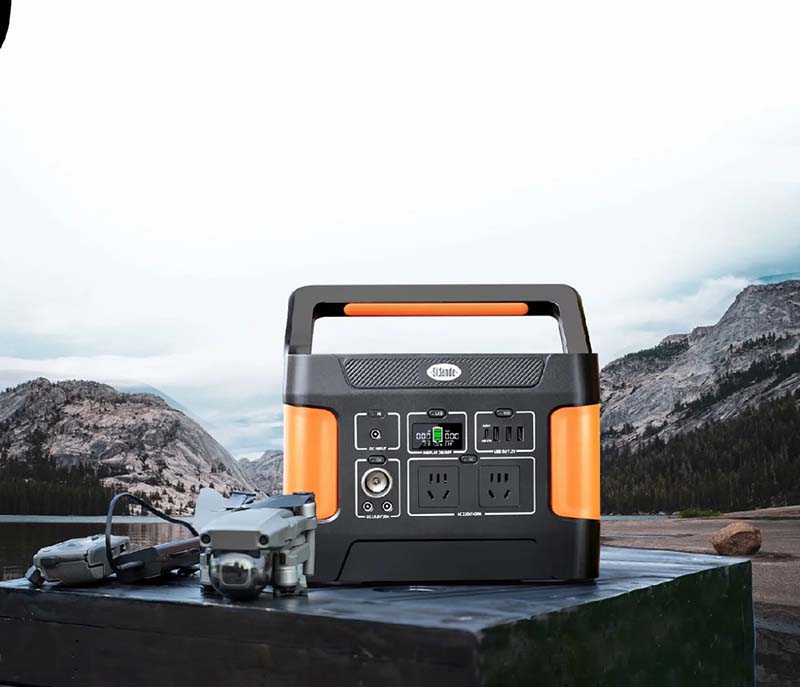
In today's technology-driven world, maintaining a continuous power supply is crucial for both homes and businesses. An Uninterrupted Power Supply (UPS) is a device that provides backup power during outages, ensuring that your electronic devices remain operational. When considering purchasing a UPS, understanding the price factors is essential to making an informed decision. This article explores the key aspects influencing UPS prices and helps you choose the right one for your needs.
Types of UPS Systems and Their Impact on Price
There are three main types of UPS systems: standby, line-interactive, and online double-conversion. Each type offers different levels of protection and pricing:
Standby UPS: The most basic and affordable option, suitable for home use with minimal power requirements.
Line-Interactive UPS: Offers better voltage regulation and is moderately priced, ideal for small businesses.
Online Double-Conversion UPS: Provides the highest level of protection with zero transfer time but comes at a premium price, typically used in data centers and critical applications.
The choice of UPS type significantly affects the overall price, with online UPS systems being the most expensive.
Power Capacity and Price Correlation
UPS units are rated by their power capacity, usually expressed in VA (volt-amperes) or watts. The higher the capacity, the more devices the UPS can support and the longer it can sustain power during an outage. Generally, UPS prices increase with capacity:
Small capacity UPS (500VA-1000VA) are affordable and suitable for personal computers.
Medium capacity UPS (1000VA-3000VA) cater to office equipment and small servers.
High capacity UPS (3000VA and above) are designed for enterprise-level hardware and require a larger investment.
Choosing a UPS with the appropriate capacity ensures cost-effectiveness without overspending.
Battery Type and Replacement Costs
The battery is a crucial component of a UPS, and its type affects both the initial price and long-term maintenance costs. Common battery types include:
Sealed Lead Acid (SLA): Widely used, cost-effective, but heavier and bulkier.
Lithium-ion: More expensive upfront but offers longer lifespan and lighter weight.
Nickel-Cadmium (NiCd): Less common, durable but costly.
Additionally, battery replacement is an ongoing expense. UPS models with easily replaceable batteries may have lower long-term costs despite higher initial prices.
Brand and Warranty Considerations
Established brands often charge a premium for their UPS units due to reliability, advanced features, and customer support. Brands like APC, CyberPower, and Eaton are known for quality but come with higher price tags. Additionally, warranty periods and after-sales service can influence the overall cost. Investing in a UPS with a solid warranty can save money on repairs and replacements in the future.
Additional Features Affecting UPS Price
Modern UPS systems come with various features that enhance functionality but also increase price. These include:
LCD displays for real-time monitoring
Automatic voltage regulation (AVR)
Network management capabilities
Multiple output sockets
Surge protection and noise filtering
While these features add convenience and protection, they also contribute to the overall cost.
Market Trends and Regional Price Variations
UPS prices can vary based on market demand, supply chain factors, and regional economic conditions. For example, prices may be higher in regions with less competition or higher import duties. Keeping an eye on market trends and seasonal sales can help buyers find better deals.
Understanding the factors that influence uninterrupted power supply (UPS) prices is essential for making an informed purchase. From the type and capacity of the UPS to battery technology, brand reputation, and additional features, each element plays a role in determining the final cost. By carefully evaluating your power backup needs and budget, you can select a UPS that offers reliable protection without overspending. Remember, investing in a quality UPS not only safeguards your devices but also provides peace of mind during unexpected power outages.
Related Content
- Uninterruptible Power Supply (UPS) for Computer Systems A Comprehensive Guide
- Portable Power Bank AC Outlet The Ultimate Solution for On-the-Go Power Needs
- Power Supply for Radio A Comprehensive Guide
- Belkin 20000 mAh Portable Power Bank The Ultimate On-the-Go Charging Solution
- Power Banks for Acer Laptops A Comprehensive Guide
- Power Bank eBay UK Your Ultimate Guide to Buying the Best Portable Chargers
- Portable Generator Power Distribution Box A Complete Guide
- HP Desktop Power Supply An In-Depth Guide
- Arduino 12V Power Supply A Comprehensive Guide
- 15V 4A Power Supply A Comprehensive Guide